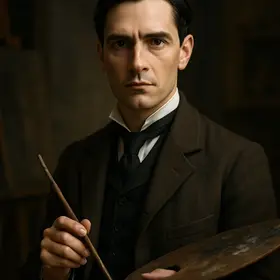
Basil Hallward in The Picture of Dorian Gray
Major character
A sincere, gifted artist whose devotion to Dorian becomes both inspiration and source of moral anguish.
Who is Basil Hallward?
Basil Hallward is a talented painter who first introduces the narrative by revealing that he has put too much of himself into a portrait of the beautiful young Dorian Gray. He values art, truth, and what he believes to be a stabilizing, ennobling influence; he refuses to exhibit the portrait because it exposes his private admiration and the part of his soul invested in Dorian. Throughout the chapters in which he appears Basil acts as a moral anchor and a worried friend: he frets over Dorian's engagement, confronts Dorian after Sibyl Vane's death, and pleads for repentance when rumours of Dorian's corrupting influence circulate. Basil eventually confesses that his attachment to Dorian has been obsessive. In the story’s tragic turn, Basil insists on seeing the portrait that has changed, implores Dorian to repent, and is murdered when Dorian, enraged and desperate to silence him, stabs him. Basil's integrity, shame, and final vulnerability highlight the clash between aesthetic fascination and ethical responsibility.
In the book: Basil Hallward is the talented artist who paints Dorian Gray’s portrait and becomes both his admirer and quiet moral anchor. His sincere devotion to beauty and to Dorian’s better nature helps set the story in motion, and his perspective highlights the tension between aesthetic idealism and ethical responsibility without dominating the social whirl that surrounds Dorian.
Personality
- devoted
- He admits to Dorian and Lord Henry that the portrait contains too much of himself and that Dorian has become the central motive of his art (Ch.1, Ch.9).
- earnest
- He pleads with Dorian to change his ways and expresses deep distress over the rumours of ruined young men and scandals (Ch.12).
- sensitive
- He refuses to exhibit the painting because he fears exposing the secret of his soul and the nature of his worship of Dorian (Ch.1, Ch.9).
- morally urgent
- Confronted with the altered portrait, Basil implores Dorian to pray and repent, urging him toward confession and redemption (Ch.13).
- vulnerable
- After confessing his obsession, Basil is emotionally shaken and, returning to Dorian’s house late, is ultimately murdered when he confronts the portrait (Ch.9, Ch.13).
Character arc
Basil enters the story as a quietly proud, protective artist who channels his deepest feelings into a portrait of Dorian and refuses public exposure because the work reveals too much of himself. Early on he resists Lord Henry’s introduction to Dorian, fearing corrupting influences and foreseeing damage to both the boy and his art. As Dorian becomes obsessed with youth and the portrait, Basil shifts from admiration to alarm: he worries about the engagement to Sibyl, reproaches Dorian after her death, and becomes increasingly earnest about moral reform. This concern culminates in Basil’s anguished late-night visit to confront Dorian about circulating rumours and to beg him to repent. Basil confesses his own idolatry, then goes upstairs to see the portrait and recoils in horror. His final transformation is tragic: the principled, pleading friend is murdered by the man he loves and tried to save. Basil’s arc closes with his death, which converts his moral urgency into a fatal consequence of Dorian’s corruption.
Relationships
- Dorian Gray Basil is Dorian’s devoted painter and moral anchor, obsessed with and protective of Dorian while ultimately confronting him about his corruption.
- Lord Henry Wotton An old friend whose cynical influence Basil distrusts and who pressures Basil to introduce him to Dorian, accelerating Dorian’s change.
- Sibyl Vane Basil attends her theatre performance with Dorian and Lord Henry and is disturbed by the tragedy that follows, which he links to Dorian’s behaviour.
- Mrs. Vane As Sibyl’s mother, she is part of the social aftermath Basil worries about after Sibyl’s death and Dorian’s subsequent conduct.
- Alan Campbell Mentioned in the chain of events following Basil’s murder—his disappearance and the scandals that follow are discussed by others connected to Basil’s fate.
- Francis Dorian’s valet who appears in the household actions surrounding Basil’s murder and its immediate concealment.
Quotes by Basil Hallward
“Every portrait that is painted with feeling is a portrait of the artist, not of the sitter. The sitter is merely the accident, the occasion.”
Chapter 1Basil explains why he will not exhibit the portrait: he believes his art reveals the artist’s inner life, not just the subject’s likeness.
“The reason I will not exhibit this picture is that I am afraid that I have shown in it the secret of my own soul.”
Chapter 1Basil’s confession that the portrait contains something deeply personal and private, signaling his emotional investment and fear of exposure.
““The gods made Sibyl Vane for you. Without her you would have been incomplete.””
Chapter 7Earlier, Basil affirms Dorian's devotion to Sibyl and suggests she fulfills an artistic and almost fated role in Dorian’s life, underscoring the novel’s aesthetic ideals.
“I was dominated, soul, brain, and power, by you.”
Chapter 9Basil confesses the intensity of his devotion to Dorian and explains why he could not bear the portrait being exhibited.
“Sin is a thing that writes itself across a man’s face. It cannot be concealed.”
Chapter 12Basil argues that vice becomes visible and says he cannot believe the rumours when he sees Dorian's innocent face.
Why Basil Hallward matters
Basil represents the ethical conscience of the novel and the artist’s dilemma: to create beautiful work while guarding the moral implications of admiration. His refusal to exhibit the portrait shows an artist’s awareness that art can reveal dangerous truths about desire and identity. Basil’s devotion to Dorian and his final plea for repentance dramatize the conflict between aesthetic worship and human responsibility. By being both confessor and victim, Basil embodies the cost of unguarded idolization and frames the book’s critique of influence, secrecy, and the moral consequences of treating beauty as an absolute.
Chapters with Basil Hallward
More The Picture of Dorian Gray characters
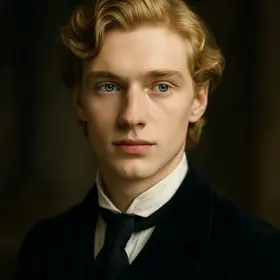 Dorian GrayProtagonist
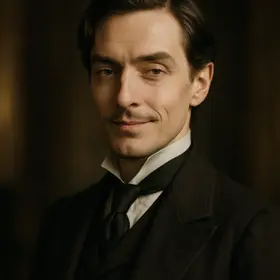 Lord Henry WottonMajor character
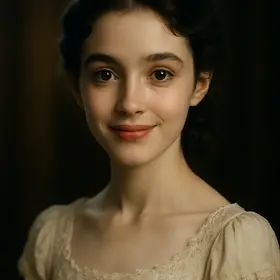 Sibyl VaneMajor character
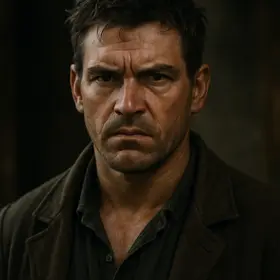 James VaneMinor character
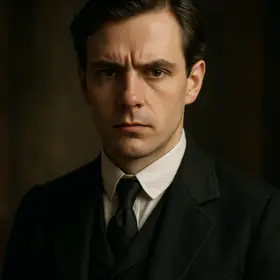 Alan CampbellMinor character
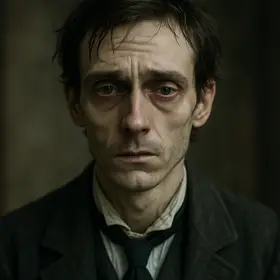 Adrian SingletonMinor character
- FFrancisMinor character
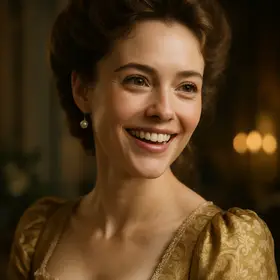 Duchess of MonmouthMinor character
All chapter summaries ›Characters ›
Read The Picture of Dorian Gray illustrated
Every scene in these notes comes from the Book2Life reader, where the full public-domain text is illustrated as you read, with character portraits and narration. Free in your browser and on iPhone.
Read The Picture of Dorian Gray free
