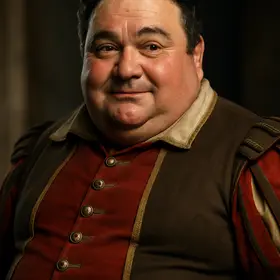
Mousqueton in Twenty Years After
Minor character
Porthos’s devoted, good-natured servant and factotum who provides comic practicality, loyalty, and physical help in danger.
Who is Mousqueton?
Mousqueton (also called Mouston) is Porthos’s faithful steward and attendant who manages household tasks, errands, provisions and the practical details of travel and disguise. He appears as a cheerful, stout figure at Porthos’s château and accompanies the musketeers on several missions: escorting Porthos to Paris, riding in pursuit of fugitives, suffering a wound in a skirmish, assisting in the escape and hiding of prisoners, suffering seasickness on voyages, and undertaking the menial but essential work of selling straw to supply weary courtiers. Mousqueton is often the butt of jokes about his dress or name but repeatedly proves steady in crisis: he endures wounds, follows orders, helps the servants secure provisions, and plays a small but crucial role in evacuations and escapes. His comic appetite and blunt practicality offset the nobler characters’ anxieties, while his steadfastness and physical presence make him a reliable supporting hand for the musketeers’ plans.
In the book: Mousqueton (also called Mouston) is Porthos’s devoted servant and factotum, a loyal, good-natured companion whose comic practicality and physical presence support his master’s ambitions. He manages errands, provisions, and disguises, and he often becomes the butt of sartorial jokes, yet his steadfastness and courage make him a reliable aide to the musketeers’ larger designs.
Personality
- Loyal
- He embraces D’Artagnan at Porthos’s estate, changes his name to ‘Mouston’ at his master’s request, and follows Porthos into military ventures (Chapters 10, 12, 24).
- Practical
- He organizes and sells trusses of straw at Saint Germain to procure funds when the château lacks bedding, turning a basic need into profit (Chapter 53).
- Good-natured
- He accepts teasing about his appearance and new title with comic patience while keeping household spirits buoyant (Chapters 10, 12).
- Courageous
- Despite being wounded in the road skirmish and later seasick, he helps in the escape from the felucca and obeys orders during the evacuation (Chapters 26, 72).
- Earthy appetite
- His insistence on finding wine and provisions aboard the felucca nearly exposes danger but also leads to the discovery of the powder barrels (Chapters 71–72).
Character arc
Mousqueton’s role is steady rather than transformative: he appears first as a prosperous, content steward at Porthos’s château, eager for a slight elevation of status (wishing to be called 'Mouston'), and remains devoted to his master’s plans to re-enter public life. He moves from comfortable domesticity into danger when he accompanies Porthos and the others to Paris and on campaign. Along the way he suffers a wound during the highway mêlée, displays comic discomfort at ceremonial arms, and later endures seasickness and real peril aboard an English felucca filled with gunpowder. His appetite-driven curiosity nearly precipitates disaster—his search for wine reveals the truth about the casks—but this same practical resourcefulness helps the group survive: he follows orders in the evacuation, is forced into the water, and later discovers hidden provisions in the small boat that restore the group’s spirits. By the end of his appearances he remains essentially the same loyal, pragmatic servant, but his experiences in combat, flight, and rescue deepen his demonstrated courage and usefulness; he is less comic relief alone and more a small but indispensable pillar of the musketeers’ material survival.
Relationships
- Porthos Master and patron; Mousqueton is Porthos’s devoted servant and factotum, following him from château life to military adventure.
- d'Artagnan Ally and colleague by association; he greets D’Artagnan warmly and assists during missions where d'Artagnan leads (Chapters 10, 24, 51–53).
- Grimaud Fellow servant and comrade-in-arms; they cooperate during fights and on shipboard watch, with Grimaud tending Mousqueton when wounded (Chapters 26, 71–72).
- Planchet Old servant acquaintance; Mousqueton greets Planchet warmly at Porthos’s estate and their shared servant culture is a background connection (Chapter 10).
- Blaisois Co-servant on outings; Mousqueton struggles to get the reluctant Blaisois overboard during the felucca evacuation (Chapter 72).
- Athos Respectful subordinate ally; Mousqueton serves within the group’s operations and follows Athos’s and the others’ orders during escapes and rescues (Chapters 59–65).
Quotes by Mousqueton
“Monsieur d’Artagnan! Monsieur d’Artagnan!”
Chapter 10Mousqueton excitedly greets D'Artagnan on the avenue, revealing his prosperity and loyalty and sparking a warm reunion with Planchet.
“If you had been ten years engaged in war, as Grimaud and I have been, my dear Blaisois, you would know the difference there is between the goods of others and the goods of enemies.”
Chapter 71Mousqueton justifies stealing the English port by arguing that enemy property can be taken.
“we are saved—the bark is supplied with provisions.”
Chapter 64Mousqueton discovers food and wine hidden under a bench, instantly lifting the group's spirits and ending fears of starvation.
Why Mousqueton matters
Mousqueton embodies the theme of loyal service and the often-overlooked labor that sustains heroic action. His comic manner and appetite lighten tense moments, making the novel’s darker events more human; at the same time his practical skills—provisioning, keeping watch, obeying orders under fire—demonstrate that heroism depends on ordinary fidelity. Through Mousqueton Dumas emphasizes class interdependence: noble plans and daring rescues rely as much on servants’ courage and pragmatism as on their masters’ honor. He also highlights the cost of adventure for those of humbler station, sharing dangers without the promise of glory.
Chapters with Mousqueton
- Chapter 10
- Chapter 11
- Chapter 12
- Chapter 21
- Chapter 24
- Chapter 25
- Chapter 26
- Chapter 27
- Chapter 39
- Chapter 44
- Chapter 51
- Chapter 52
- Chapter 53
- Chapter 54
- Chapter 56
- Chapter 58
- Chapter 59
- Chapter 61
- Chapter 62
- Chapter 64
- Chapter 65
- Chapter 67
- Chapter 70
- Chapter 71
- Chapter 72
- Chapter 64
- Chapter 75
- Chapter 87
- Chapter 89
- Chapter 90
More Twenty Years After characters
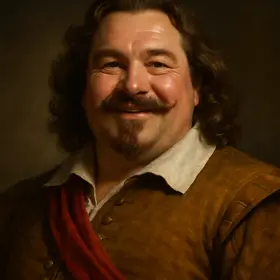 PorthosMajor character
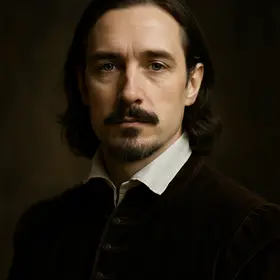 AthosMajor character
 AramisMajor character
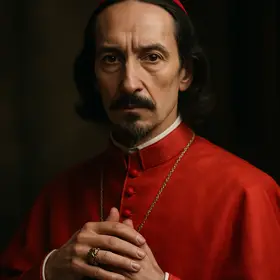 Cardinal MazarinAntagonist
 GrimaudMajor character
 MordauntAntagonist
 PlanchetMajor character
 Anne of AustriaMajor character
All chapter summaries ›Characters ›
Read Twenty Years After illustrated
Every scene in these notes comes from the Book2Life reader, where the full public-domain text is illustrated as you read, with character portraits and narration. Free in your browser and on iPhone.
