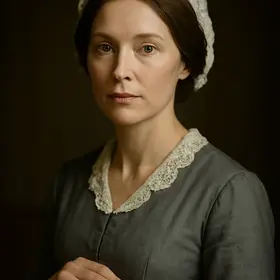
Mrs. Shelby in Uncle Tom's Cabin
Major character
Kind, conscientious mistress of the Shelby household who tries to protect the enslaved people under her roof.
Who is Mrs. Shelby?
Mrs. Shelby is the gentle, steady moral center of the Shelby household. As hostess and wife she presides over domestic life with graciousness and practical concern; guests and servants alike confide in her. When financial pressure forces her husband to consider selling slaves, she opposes the decision on moral grounds, pleads for alternatives, and takes immediate compassionate action to shield those endangered. She comforts Aunt Chloe and Tom, promises to try to redeem Tom, and arranges small, practical measures—such as offering to teach music or to set aside wages—to raise money for redemption. Mrs. Shelby also uses tact and courtesy to delay or blunt the trader Haley, buying time for fugitives like Eliza. Throughout the chapters in which she appears she acts through persuasion, quiet grief, and domestic resourcefulness, trying to reconcile love for her household with the limited legal and financial power available to her as a planter’s wife.
In the book: When we first meet Mrs. Shelby, she’s the kind, steady mistress of the Shelby household—gracious to guests and deeply considerate of the people who live under her roof. She’s quickly the moral voice at home, troubled by her husband’s debts and the talk of selling Tom or little Harry, and she does what she can to shield and comfort those at risk. You immediately feel she’s someone others trust when things get hard.
Personality
- Compassionate
- She weeps with Aunt Chloe and promises to try to buy Tom back when Haley takes him away (Chapter 10).
- Principled
- She protests Mr. Shelby’s agreement to sell Tom and Eliza’s child and condemns slavery as a moral curse during their bedroom conversation (Chapter 5).
- Practical
- She proposes concrete plans—teaching music or putting Chloe’s wages aside—to raise funds for Tom’s redemption (Volume 2, Chapter 21).
- Diplomatic
- She politely persuades Haley to stay to dinner to delay his immediate actions after Eliza’s flight (Chapter 6).
Character arc
Mrs. Shelby appears first as the kind, morally troubled mistress who immediately recognizes the human cost of her husband’s financial decisions. Early on she argues passionately against selling Tom or Eliza’s child and offers personal sacrifices to prevent such sales, though she cannot ultimately override Mr. Shelby’s legal and financial choices. After Eliza’s flight and Tom’s seizure, she moves from private protest to active consolation: she visits Uncle Tom’s family, weeps with Aunt Chloe, and pledges concrete support and efforts to redeem Tom. Later, when news arrives from Tom and the household adapts after Mr. Shelby’s death, Mrs. Shelby persists in practical remedies—arranging wages, approving Chloe’s employment, and supporting George Shelby’s later actions. She does not radically change her convictions; rather, her arc is one of steadfast moral consistency shifting from pleading to organizing tangible assistance within the limited means she possesses, maintaining the household’s humanity amid loss and transition.
Relationships
- Mr. Shelby Her husband and the estate owner whose debts force the contested sales she opposes.
- Uncle Tom A devoted and pious enslaved man on whom she lavishes sympathy and whom she vows to try to redeem.
- Aunt Chloe Tom’s wife and a confidante with whom she shares grief and practical plans for raising redemption money.
- George Shelby The young master raised in the household whom she supports and comforts, later sharing in the responsibility to care for the servants.
- Eliza Harris A former protégée and guest of the Shelby parlor whose marriage and plight Mrs. Shelby helps shelter and whose escape she quietly aids by delaying Haley.
- Mr. Haley The coarse slave-trader she must negotiate with and politely resist while striving to protect her household’s people.
Quotes by Mrs. Shelby
“This is God’s curse on slavery!—a bitter, bitter, most accursed thing!—a curse to the master and a curse to the slave!”
Volume 1, Chapter 5Mrs. Shelby moralizes passionately, framing slavery as a spiritual and social evil that destroys all involved.
“I wonder what keeps Eliza," said Mrs. Shelby, after giving her bell repeated pulls, to no purpose.”
Volume 1, Chapter 6The household first notices Eliza is missing; this line opens the scene that reveals her flight.
“If I can get the money no other way I will take music-scholars;—I could get enough, I know, and earn the money myself.”
Volume 2, Chapter 21Mrs. Shelby offers to teach music to raise funds for Tom’s redemption, showing her resolve to keep the promise to Chloe and Tom.
Why Mrs. Shelby matters
Mrs. Shelby embodies the novel’s argument that conscience and domestic kindness cannot erase the structural evil of slavery. She represents white Christian sympathy and moral distress: her private virtue contrasts with the legal and economic forces that permit human sale. Through her efforts—pleading, delaying, organizing wages, and promising redemption—Stowe shows both the limits of individual benevolence and the real, practical ways compassion can mitigate immediate harm. Mrs. Shelby’s consistent humanity underscores the book’s call for active resistance to an inhumane system rather than mere sentiment.
Chapters with Mrs. Shelby
More Uncle Tom's Cabin characters
 Uncle TomProtagonist
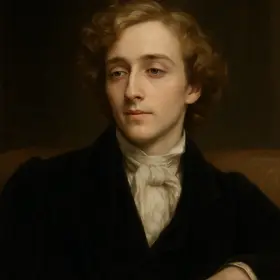 Augustine St. ClareMajor character
 EmmelineMinor character
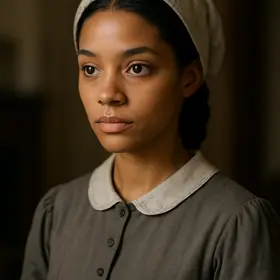 Eliza HarrisMajor character
 Little EvaMajor character
 CassyMajor character
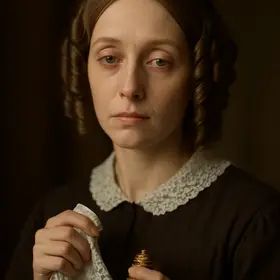 Marie St. ClareMajor character
 Mr. ShelbyMajor character
All chapter summaries ›Characters ›
Read Uncle Tom's Cabin illustrated
Every scene in these notes comes from the Book2Life reader, where the full public-domain text is illustrated as you read, with character portraits and narration. Free in your browser and on iPhone.
