Uncle Tom's Cabin
1852 · Abolitionist novel
Free to read in your browser. Public-domain edition from Project Gutenberg, illustrated as you read.
About This Book
Harriet Beecher Stowe’s Uncle Tom’s Cabin is a landmark 19th‑century novel that dramatizes the human cost of American slavery through interwoven stories of families, fugitives, and household life on Southern plantations. Written as a moral and social appeal, the book follows ordinary people caught in a brutal system, contrasting faith, compassion, and cruelty. The narrative opens at the Shelby estate, where economic pressure forces the sale of enslaved people. Uncle Tom, a devout and steady man, is claimed by a trader; Eliza, a frightened mother, flees with her young child across ice and river to protect him; and George Harris, Eliza’s husband, plots his own escape after suffering professional and personal humiliation. Along the way the story introduces Augustine St. Clare, his compassionate daughter Eva, the proud and neglected Topsy, and the cruel overseer Simon Legree — characters whose choices and convictions reveal slavery’s emotional and spiritual toll. Stowe balances intimate domestic scenes with dramatic pursuit and moral debate, using prayer, conversation, and crisis to interrogate complicity and conscience. The novel’s focus on both private relationships and public injustice made it a powerful abolitionist statement in its day and continues to provoke reflection on empathy, responsibility, and the legacy of racial violence.
Characters in Uncle Tom's Cabin
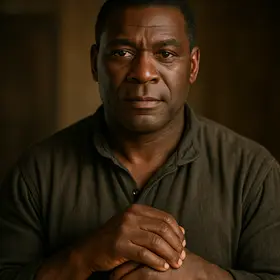 Uncle TomWhen we first meet him on the Shelbys’ Kentucky farm, he’s the dependable center of the quarters—devout, steady, and trusted by both his family and his master. He looks out for others before himself, and in a moment of household crisis, his calm integrity makes everyone lean on him.
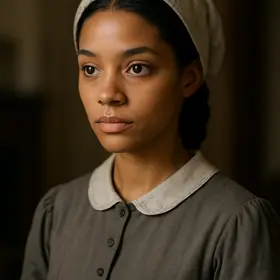 Eliza HarrisEliza Harris is the Shelbys’ trusted house servant in Kentucky, a gentle, capable young mother devoted to her little boy, Harry. We first meet her moving between parlor and nursery with calm efficiency, close to Mrs. Shelby and proud of keeping the household running smoothly. She matters because her family—especially her child and her husband, George Harris—sits at the center of her hopes and worries from the very start.
 George HarrisWe first meet George as a gifted, enslaved worker whose talent at a factory has only earned him tighter control from a jealous master. He slips away to see his wife, Eliza, and you can feel how fiercely he wants a real life for their family—he’s already thinking and speaking like a man who means to be free.
 Simon LegreeWe first meet him as a rough Louisiana cotton planter on the river, swaggering through a sale and sizing people up like livestock, loud with whiskey and threats. He matters because the moment he stomps onto the scene, everyone tenses—he’s the kind of owner whose presence makes danger feel immediate.
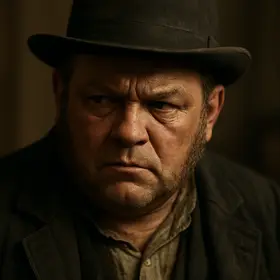 Mr. HaleyWe meet Mr. Haley as a traveling slave trader bargaining in Mr. Shelby’s parlor, counting debts and people with the same cold arithmetic. He haggles shrewdly over Uncle Tom and sets his sights on little Harry, making it clear he treats human lives as deals to be closed.
 Tom LokerTom Loker is a hard-bitten slave-catcher we meet on the road, swaggering into taverns to strike deals and brag about his rough methods. He teams up with a sly partner to track runaways for cash, bringing real, immediate danger to the fugitives we’re already rooting for. He matters because his brute force shows the muscle behind the slave trade’s threats.
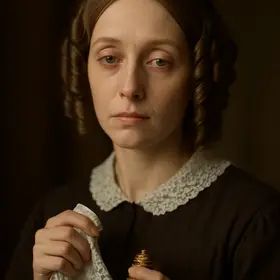 Marie St. ClareWhen we meet her in the St. Clare household, she’s Augustine St. Clare’s fretful, self-styled invalid wife and little Eva’s mother, absorbed in her ailments and social niceties. She’s brisk and imperious with the servants, quick to complain, and far more interested in being attended to than in attending to others. Her presence sets the household’s chilly, status-conscious tone around Tom’s arrival.
- SSamboWhen the reader first meets Sambo, he’s one of Simon Legree’s drivers—an enforcer who barks orders, cracks the whip, and makes sure newcomers understand who holds power on the plantation. He matters because his presence instantly sets the tone of fear around Legree and shows how cruelty gets carried out day to day.
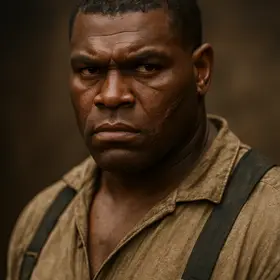 QuimboWhen we first meet Quimbo, he’s one of Simon Legree’s drivers—an enslaved man put in charge of enforcing the master’s orders. He moves through scenes like a looming threat, quick to intimidate and eager to prove his toughness alongside his fellow driver, Sambo.
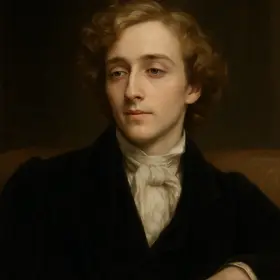 Augustine St. ClareWe first meet Augustine St. Clare aboard a Mississippi steamboat with his gentle daughter, Eva—a wealthy New Orleans gentleman who is cultured, witty, and a bit indolent. Impressed by Tom after the riverboat incident with Eva, he purchases Tom and brings him into his household, shifting the story to the world of New Orleans society.
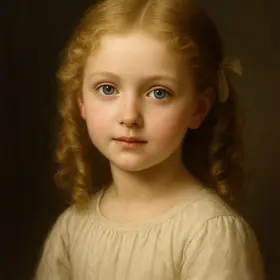 Little EvaWe first meet Little Eva as a kind, quietly devout girl traveling with her father on a Mississippi riverboat, instantly warm to strangers and full of grace beyond her years. She befriends Uncle Tom at once, and her clear affection helps bring him into the St. Clare household in New Orleans.
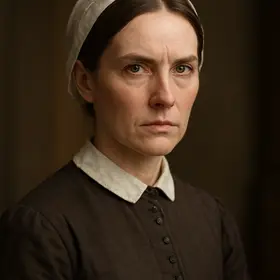 Ophelia St. ClareWhen we first meet her, she’s Augustine St. Clare’s cousin from Vermont, arriving in New Orleans to whip his easygoing household into order. She’s practical, pious, and exacting—very much the no-frills Northern aunt—so she instantly stands out in the languid St. Clare home and becomes a steady, corrective presence.
 TopsyTopsy is a newly purchased enslaved girl brought into the St. Clare household in New Orleans for Miss Ophelia to “train up.” She’s sharp, cheeky, and restless from the moment she appears—pulling pranks, fibbing without blinking, and instantly stirring the adults, which makes you pay attention to her every move.
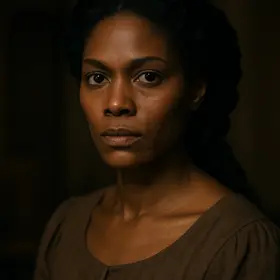 CassyWe first meet Cassy in Simon Legree’s house, where she’s the sharp, self-possessed woman who clearly understands the rhythms and dangers of the place better than anyone. She matters because she quickly reads people, shields the vulnerable when she can, and recognizes something steadfast in Tom, making her a quiet center of resolve in a brutal setting.
 George ShelbyWe first meet George Shelby as the kind, attentive son of the Kentucky plantation owner, already fond of Uncle Tom and at ease among the cabins. He chats easily, brings small courtesies, and takes real interest in Tom’s learning—signals that his heart is better than the world he was born into.
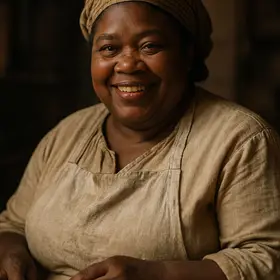 Aunt ChloeWhen we first meet Aunt Chloe, she’s running Tom’s cabin kitchen like a queen, teasing and chatting while turning out delicious food for family and friends. She’s Uncle Tom’s wife and the Shelby plantation’s celebrated cook, warm, practical, and proud of her table. Her presence gives Tom a cheerful home base and shows what he stands to protect.
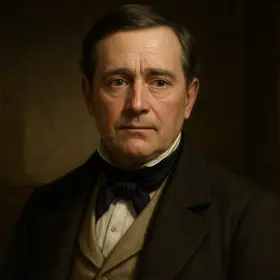 Mr. ShelbyWhen we first meet Mr. Shelby, he’s the affable but indebted owner of a Kentucky farm, trying to keep up the polish of a gentleman while juggling bills. Over cigars and account books he bargains with the rough trader Mr. Haley, and the choices he makes there ripple through his household. He matters because his deal is the spark that sets everything else in motion.
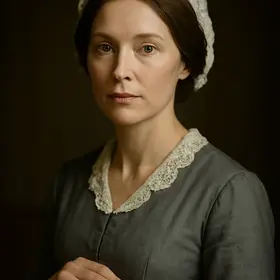 Mrs. ShelbyWhen we first meet Mrs. Shelby, she’s the kind, steady mistress of the Shelby household—gracious to guests and deeply considerate of the people who live under her roof. She’s quickly the moral voice at home, troubled by her husband’s debts and the talk of selling Tom or little Harry, and she does what she can to shield and comfort those at risk. You immediately feel she’s someone others trust when things get hard.
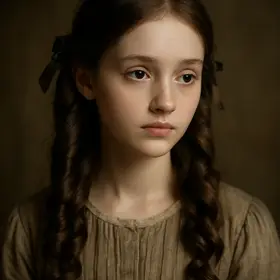 EmmelineWe first meet Emmeline as a shy, well‑mannered enslaved girl traveling with her mother, Susan, on their way to be sold in New Orleans. She’s known for her neat sewing and gentle demeanor, and the dealers make a show of her beauty to raise her price. Her path crosses with central characters, and her situation immediately tugs the reader’s attention and concern.
 Phineas FletcherPhineas Fletcher is the practical, quick-witted Quaker outdoorsman the reader meets among the Friends who shelter fugitives. He knows the roads and the woods, keeps calm under pressure, and jumps in to help Eliza and her companions outpace the men hunting them.
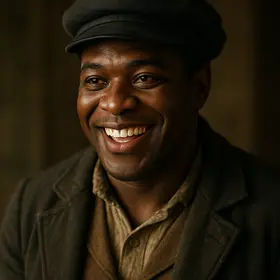 SamSam is one of Mr. Shelby’s enslaved coachmen—talkative, clever, and fond of swagger when we first meet him around the Kentucky plantation. When sent out with Andy to help chase Eliza and her child, he turns his quick wit toward slowing the pursuit, working mischief with a smile.
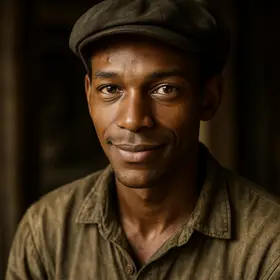 AndyWhen we first meet Andy on the Shelbys’ Kentucky plantation, he’s a junior hand in the stables who often gets paired with the louder, showier Sam. As the slave trader Haley arrives and trouble stirs, Andy ends up riding along on the errands and the chase, chiming in with sharp asides and quietly helping stretch out the pursuit without drawing too much heat to himself.
Study guide
Summaries and analysis of all 45 chapters, and profiles of 34 characters, illustrated with scenes from the book.
Themes
- slavery
- maternal love
- religion
- moral conscience
- escape and freedom
Why Read Uncle Tom's Cabin?
Read Uncle Tom’s Cabin to encounter a nineteenth‑century novel that shaped public debate about slavery and still illuminates how personal stories can reveal systemic injustice. Stowe’s vivid scenes—Eliza’s desperate river crossing, the domestic tensions in St. Clare’s household, and the moral tests faced by Tom—translate historical realities into empathic, human terms.
Beyond its historical importance, the book offers readers complex character studies and ethical dilemmas: it asks how people respond to cruelty, whether faith sustains or blinds, and how ordinary choices ripple through others’ lives. For modern readers interested in the roots of American racial discussion, the novel is a primary document of cultural influence and a rich source for examining narrative, persuasion, and the human cost of institutions.
Experience Uncle Tom's Cabin on Book2Life
Read with AI-generated visuals, character portraits, audio narration, smart summaries, and more — free in your browser and on iPhone.