Bottom in A Midsummer Night's Dream
Major character
A confident, blundering Athenian weaver-turned-actor whose comic egotism and enchanted misadventure drive some of the play’s funniest scenes.
Who is Bottom?
Nick Bottom is one of the group of amateur tradesmen (the “mechanicals”) who rehearse a tragic play in the wood and later perform it at Theseus’s court. He wants to shine as an actor and to help his troupe produce a successful performance, offering grandiose solutions for staging problems and insisting on prominent roles. During a rehearsal in the wood he is transformed—unseen—by Puck into having an ass’s head; when he reappears the other mechanicals flee in terror. Unfazed, Bottom sings and boasts; Titania, under Oberon’s love potion, falls in love with him and lavishes fairy attendants on him. Oberon later orders Bottom’s restoration, and Bottom awakens with only an oddly vivid dream, promising to immortalize it in a ballad. He then appears before the Athenian court where the mechanicals’ bungled play provides comic entertainment. Bottom’s mix of self-importance, comic literalness, and good humor makes him a focal point of both the woodland farce and the final stage entertainment.
Personality
- Boastful
- During the mechanicals’ rehearsal he insists on playing major parts and offers grand fixes for staging problems, revealing his appetite for prominence.
- Unflappable
- After Puck gives him an ass’s head and his companions flee, Bottom calmly sings and converses, showing no alarm at his condition.
- Comedic literalness
- He treats theatrical dangers like swords and lions with practical, literal proposals during the rehearsal, prompting laughter and confusion.
- Credulous
- When Titania dotes on him under enchantment, Bottom accepts adoration and fairy service without questioning its strangeness.
Character arc
Bottom begins as an overconfident, earnest amateur actor eager to assert himself in the mechanicals’ rehearsal. His vanity and practical theatrical suggestions expose him as both ridiculous and lovable. The turning point is his transformation—Puck’s unseen trick gives him an ass’s head—after which his behavior remains unshaken: he sings, demands attention, and is treated as an object of wonder by the enchanted Titania. This surreal episode heightens his comic importance and forces others to flee or to observe him in astonishment. Once Oberon orders his restoration, Bottom awakens with only a baffling but treasured dream; he neither recognizes any moral failing nor shows deeper self-understanding, instead resolving to have Quince set his dream to song. By the final act he returns to the public stage, participating in the mechanicals’ clumsy Pyramus and Thisbe; his confidence persists, but now it’s reframed by the audience’s amused affection. Bottom largely refuses inward change, yet the enchanted episode and the court’s laughter transform his private vanity into communal comedy.
Relationships
- Peter Quince Quince is the mechanicals’ director whom Bottom both follows and challenges, insisting on prominent roles while Quince tries to maintain order.
- Titania Under a love potion Titania dotingly serves and pampers Bottom, treating him as a beloved despite his ass’s head.
- Puck Puck is the unseen mischief-maker who transforms Bottom’s head into an ass’s head, triggering the comic enchantment.
- Peaseblossom Peaseblossom is one of the fairies assigned to attend Bottom when Titania orders her sprites to wait on him.
- Theseus Theseus presides over the court that later enjoys the mechanicals’ play in which Bottom performs, turning Bottom’s folly into entertainment.
Quotes by Bottom
“I see their knavery. This is to make an ass of me, to fright me, if they could.”
Act 3, Scene 1After the others flee in terror at his transformed appearance, Bottom believes they have played a trick on him and refuses to be moved.
“I have had a most rare vision. I have had a dream, past the wit of man to say what dream it was.”
Act 4, Scene 1Bottom wakes and comically insists that his experience is indescribable, framing the night’s events as dreamlike.
Why Bottom matters
Bottom embodies the play’s comic treatment of identity, transformation, and the porous line between dream and waking life. His literalness and self-regard make him a figure of humane buffoonery: he exposes how easily perception can be altered (literally by Puck, metaphorically by love) while his persistence and good-natured obliviousness invite forgiveness rather than scorn. Through Bottom the play explores theatricality itself—how performance, error, and enchantment shape social bonds and amusement—underscoring themes of love’s irrationality and the stage’s power to refract reality into wonder and laughter.
Chapters with Bottom
More A Midsummer Night's Dream characters
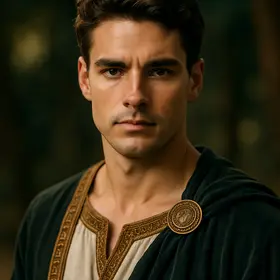 DemetriusMajor character
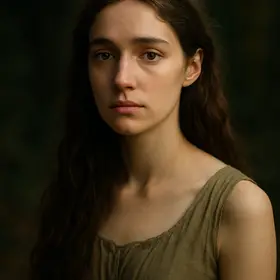 HelenaMajor character
 HermiaMajor character
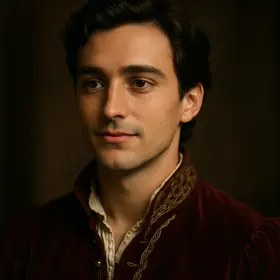 LysanderMajor character
 PuckMajor character
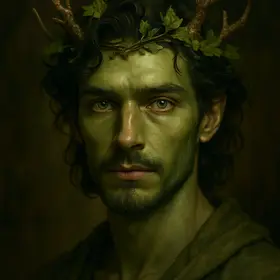 OberonMajor character
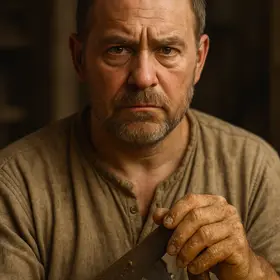 Peter QuinceMajor character
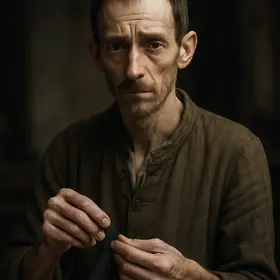 Robin StarvelingMinor character
All chapter summaries ›Characters ›
Read A Midsummer Night's Dream illustrated
Every scene in these notes comes from the Book2Life reader, where the full public-domain text is illustrated as you read, with character portraits and narration. Free in your browser and on iPhone.
Read A Midsummer Night's Dream free
