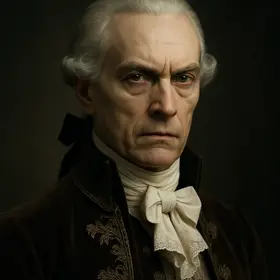
Marquis St. Evrémonde in A Tale of Two Cities
Antagonist
A ruthless, aristocratic nobleman whose callousness and pride exemplify the Evrémonde tyranny that provokes revolutionary rage.
Who is Marquis St. Evrémonde?
The Marquis St. Evrémonde is an old, imperious French noble who moves through the countryside and his chateau with hard indifference to the suffering around him. He wants to preserve his family’s honour, privilege, and property; he enforces domination and dismisses pleas from the poor. In the country he inspects starving villagers with complacent detachment and orders his agents (such as Gabelle) to remove or punish those who inconvenience him. He also exerts a brutal cover-up of his family’s crimes: he destroys Dr. Manette’s accusatory paper and maintains the house’s monumental, oppressive presence. He confronts his nephew Charles Darnay with polished cruelty when Darnay renounces the family name. The Marquis’s lifestyle and actions—his disdain for peasant grief, his suppression of evidence, and his refusal to atone—make him a focal cause of the hatred that drives revolutionary violence. His eventual murder (found with a knife through his heart and the jacquerie message pinned to him) transforms him from an active oppressor to a dead symbol whose legacy intensifies the villagers’ hatred and helps precipitate the chateau’s later burning.
In the book: The Marquis St. Evrémonde is a ruthless French nobleman and Charles Darnay’s uncle, embodying the callous privilege and tyranny of the aristocracy on the eve of the Revolution. His indifference to suffering and imperious authority make him a central symbol of the social injustice that fuels the novel’s tensions and propels key characters into moral and political conflict.
Personality
- Callous
- In the country he brusquely has a grieving woman pushed away when she asks him to mark her husband’s grave (Chapter 8: Monseigneur in the Country).
- Imperious
- He speaks to his nephew with polished cruelty, insisting on family honour and repression when Darnay renounces the estates (Chapter 9: The Gorgon's Head).
- Secretive
- He destroys Dr. Manette’s memorial and prevents the truth about his brothers’ crimes from coming to light (Chapter 10: The Substance of the Shadow).
- Unrepentant
- He explicitly declares he will die perpetuating the system he embodies, refusing Darnay’s guilt-driven renunciation (Chapter 9: The Gorgon's Head).
- Provocative
- His presence and actions—luxury amid hunger—directly inflame popular resentment that later erupts into arson and vengeance (Chapter 8 and Chapter 23).
Character arc
The Marquis appears as a living emblem of aristocratic arrogance and cruelty: he traverses the needy countryside in a richly appointed carriage, dismisses pleas and orders his steward to silence or remove those who offend him, and coldly rebukes his nephew when challenged. He actively suppresses evidence of his class’s crimes by destroying Dr. Manette’s memorial, ensuring the family’s abuses remain concealed. Yet his unrepentant behavior and the visible monumentality of his chateau make him a target of revolutionary fury. Early in the narrative he exerts power and imperious control; shortly thereafter, that control is violently ended when he is found dead in his bed, a knife through his heart with a revolutionary paper pinned to him (Chapter 9). Though he dies, his effect continues: the household’s stone ‘‘faces’’ and the estate become symbols to be consumed by the uprising, and the chateau is later set aflame by the villagers as part of wider retribution (Chapter 23). Thus he transforms from active oppressor to martyr-in-death whose legacy intensifies the revolution.
Relationships
- Charles Darnay His nephew; the Marquis confronts Darnay with contempt after Darnay renounces the family estates and honour (Chapter 9).
- Gabelle His steward; Gabelle is charged with duties at the posting-house and later appeals to the Marquis for help when imprisoned (Chapter 8 and Chapter 24).
- Dr. Manette A victim of the family’s crimes; the Marquis destroys Dr. Manette’s memorial and thereby compounds the injustice that fuels outrage (Chapter 10).
- Monseigneur A fellow aristocrat and social peer; both represent the indulgent elite whose neglect of the poor is described in the countryside scenes (Chapter 8).
- Jacques Three One of the revolutionary network whose members later target the aristocracy, and whose group’s actions culminate in the attack on the chateau and the Marquis’s death (Chapters 15 and 23).
- Madame Defarge An avenger in the streets who records the Evrémonde crimes in her knitting and whose revolutionary work is driven by the family’s past abuses (Chapter 15).
Quotes by Marquis St. Evrémonde
“Bring me hither that fellow!”
Chapter 8The Marquis orders the road-mender to bring forward the man who reported seeing someone under the carriage, showing his immediate, imperious reaction.
“Repression is the only lasting philosophy.”
Chapter 9Marquis asserts his belief that fear and repression must sustain the family’s authority.
Why Marquis St. Evrémonde matters
The Marquis embodies the novel’s critique of aristocratic privilege and systemic injustice. His indifference, suppression of truth, and insistence on family honour personify the social arrogance that provokes revolutionary retribution. As a living figure he represents entrenched oppression; in death he becomes a symbol that crystallizes popular vengeance and the moral arithmetic of the Revolution. Through him Dickens contrasts private comfort and public suffering, showing how callous power begets outrage and how concealed crimes return to demand reckoning.
Chapters with Marquis St. Evrémonde
More A Tale of Two Cities characters
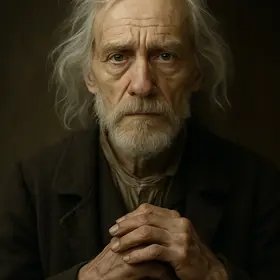 Dr. ManetteMajor character
 Lucie ManetteMajor character
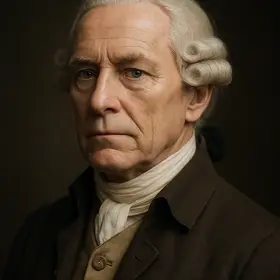 Jarvis LorryMajor character
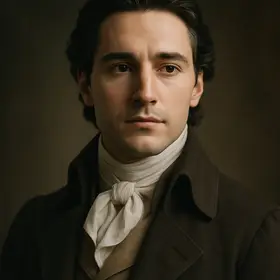 Charles DarnayProtagonist
 Ernest DefargeMajor character
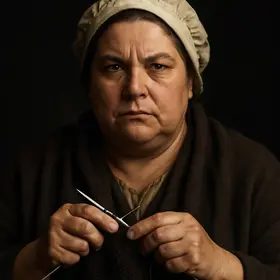 Madame DefargeAntagonist
 Miss ProssMajor character
 Sydney CartonProtagonist
All chapter summaries ›Characters ›
Read A Tale of Two Cities illustrated
Every scene in these notes comes from the Book2Life reader, where the full public-domain text is illustrated as you read, with character portraits and narration. Free in your browser and on iPhone.
Read A Tale of Two Cities free
