Don Quixote Chapter 42 Summary
Events at the Inn
A judge and his daughter arrive at the inn; the captive is revealed as the judge’s long-lost brother and Zoraida is accepted into the family.
Summary
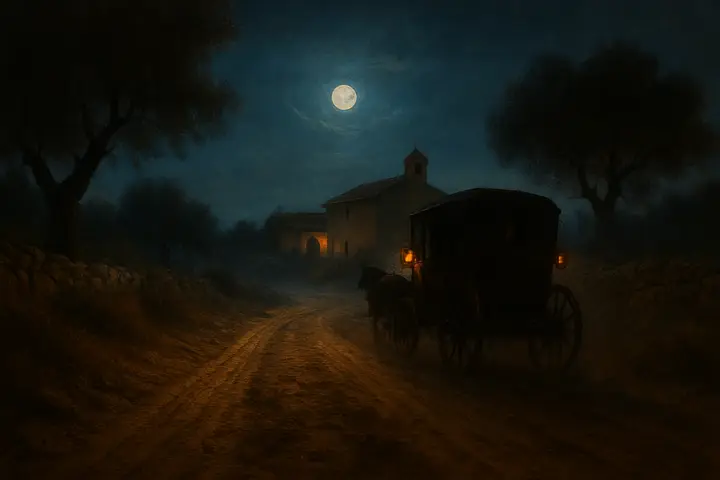
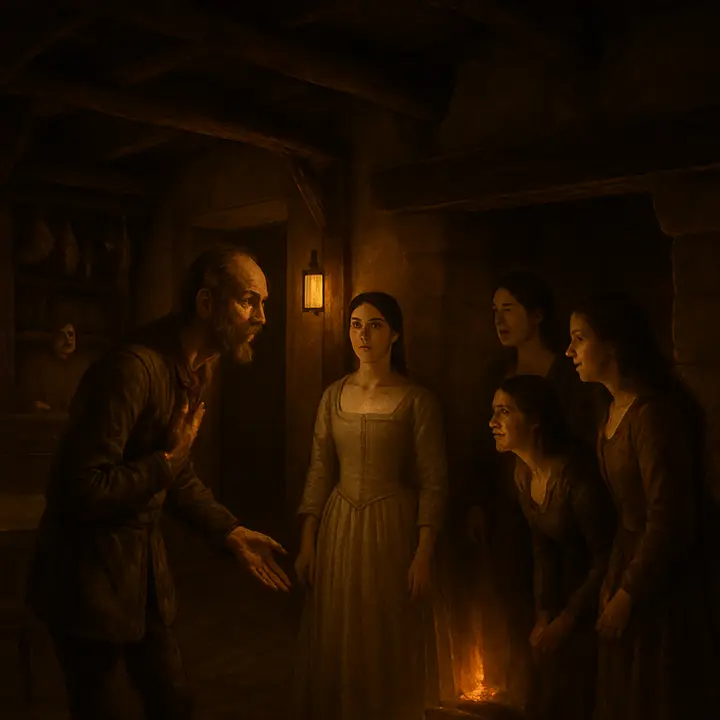
At the inn the captive finishes his account, and Don Fernando praises the story and offers to assist him; the captive courteously refuses. Night falls and a coach arrives bearing a man in the long-ruffled robe of a Judge of appeal and a strikingly beautiful young lady. Don Quixote greets them with extravagant compliments; the newcomer is bewildered by Don Quixote’s appearance and speech. The women of the inn—Luscinda, Dorothea, and Zoraida among them—go to welcome the judge’s daughter, and the group rearranges the cramped sleeping space so the ladies share the garret.
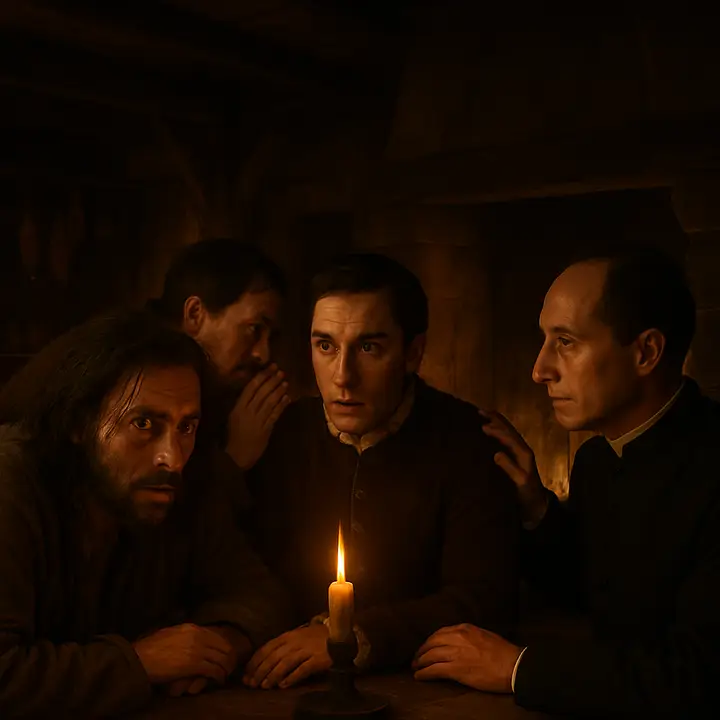
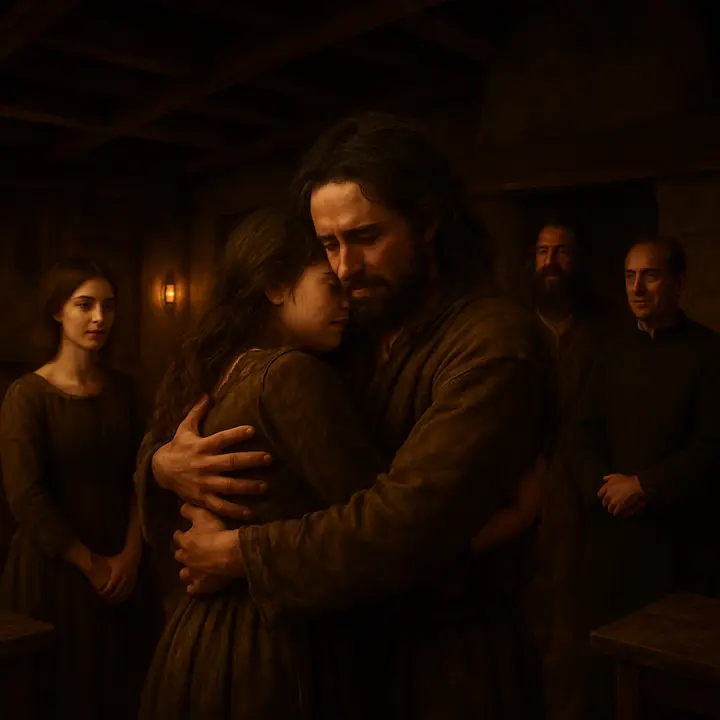
During supper the captive’s hope is kindled when a servant names the judge Licentiate Juan Perez de Viedma and says he comes from the Leon mountains; the captive suspects this is his brother. The curate recounts having known a Ruy Perez de Viedma, a gallant soldier and captive whose adventures included service in Algiers and a mysterious episode with a Moorish woman (Zoraida). The judge listens intently and then reacts with deep emotion, revealing he followed the career of letters while his eldest brother chose the military; he laments his father’s anxiety and the uncertainty of whether his elder brother survives or was killed by French captors. The curate then orchestrates the recognition: he brings Zoraida and the captive before the judge and announces, "He whom you see here is the Captain Viedma, and this is the fair Moor who has been so good to him." The brothers embrace and exchange news; the judge embraces Zoraida, offers her his fortune, and agrees that the captain and Zoraida will go with him to Seville so the family can be informed and arrangements made before the judge sails for New Spain. Night ends with good will all around; Don Quixote offers to mount guard, Sancho settles uncomfortably, and at dawn a lovely unaccompanied voice is heard singing as the chapter closes.
Key events
- The captive finishes his tale; Don Fernando praises and offers aid, which the captive declines.
- A judge (Licentiate Juan Perez de Viedma) and his daughter arrive; women of the inn welcome them.
- Curate recounts his knowledge of a Ruy Perez de Viedma and the captive’s adventures with Zoraida.
- The captive suspects—and is revealed to be—the judge’s long-lost brother, Captain Viedma.
- Emotional recognition: brothers embrace; the judge accepts Zoraida and offers her his fortune.
- They agree the captain and Zoraida will go with the judge to Seville; Don Quixote keeps watch.
- At dawn a mysterious, beautiful voice sings outside, drawing the women’s attention.
Chapter 42 in pictures
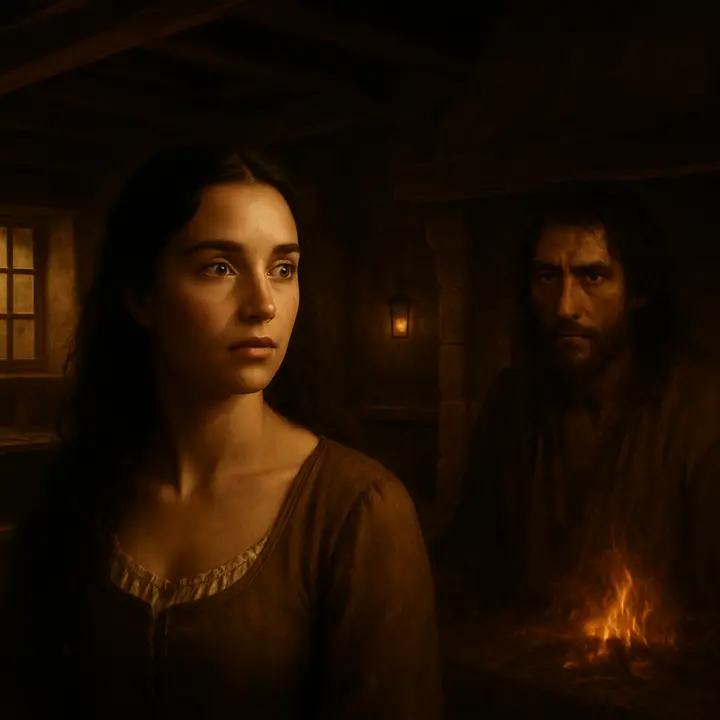
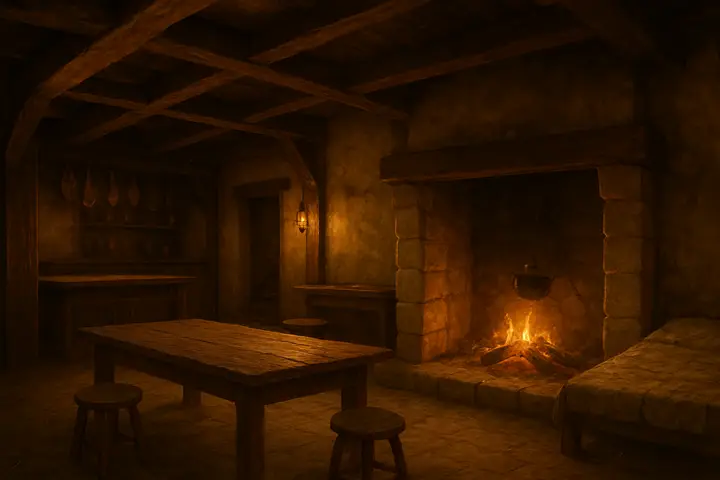
Analysis
This chapter performs several important functions: it provides emotional closure to the captive’s subplot by achieving family recognition and rescue, it reinforces themes of honor, social mobility, and the interplay of fortune and virtue, and it exhibits Cervantes’s narrative art in orchestrating revelation and sentimental reunion. The scene contrasts worldly advancement through letters (the judge) and arms (the captain), echoing the triad of careers introduced earlier and exploring how chance and misfortune disrupt expected trajectories. Zoraida’s transition from Moorish captive to accepted daughter-in-law gestures toward Christian charity and social assimilation as narrative resolutions, while also foregrounding questions about identity and gratitude.
Structurally the chapter uses a classic recognition scene to bind previously dispersed plotlines: the curate’s tale functions as a narrative device that threads the captive’s past into the present company, prompting dramatic irony and emotional payoff. Don Quixote remains largely peripheral and comic here; his extravagant rhetoric and watchful silence highlight Cervantes’s technique of alternating high sentiment (the family reunion) with satiric commentary on chivalric delusion. The musical voice heard at dawn closes the chapter on a note of mystery and poetic anticipation, suggesting that wonder and narrative momentum continue beyond the domestic reconciliation.
Important quotes
“Your worship may with confidence enter and take your ease in this castle; for though the accommodation be scanty and poor, there are no quarters so cramped or inconvenient that they cannot make room for arms and letters; above all if arms and letters have beauty for a guide and leader, as letters represented by your worship have in this fair maiden, to whom not only ought castles to throw themselv”
Don QuixoteDon Quixote greets the Judge and his daughter with hyperbolic chivalric praise, underscoring his comic idealism and the novel’s contrast of romance language with everyday reality.
“Oh, señor, if you only knew what news you have given me and how it comes home to me, making me show how I feel it with these tears that spring from my eyes in spite of all my worldly wisdom and self-restraint!”
Licentiate Juan Perez de Viedma (the Judge)The judge responds with intense feeling to the curate’s story, revealing his belief that the captain may be his long-lost brother and preparing the ground for recognition.
“Let your tears cease to flow, Señor Judge, and the wish of your heart be gratified as fully as you could desire, for you have before you your worthy brother and your good sister-in-law.”
the curateThe curate orchestrates the unveiling of the captain and Zoraida to the judge, bringing the subplot to its emotional resolution.
Characters in Chapter 42
- the captive
- Captain Viedma
- Don Fernando
- Cardenio
- the curate
- Licentiate Juan Perez de Viedma
- Doña Clara de Viedma
- Zoraida
- Luscinda
- Dorothea
- Don Quixote
- Sancho Panza
- the landlady
- the host
- the servant
- The Innkeeper
All chapter summaries ›Characters ›
Read Don Quixote illustrated
Every scene in these notes comes from the Book2Life reader, where the full public-domain text is illustrated as you read, with character portraits and narration. Free in your browser and on iPhone.
