
Cardenio in Don Quixote
Major character
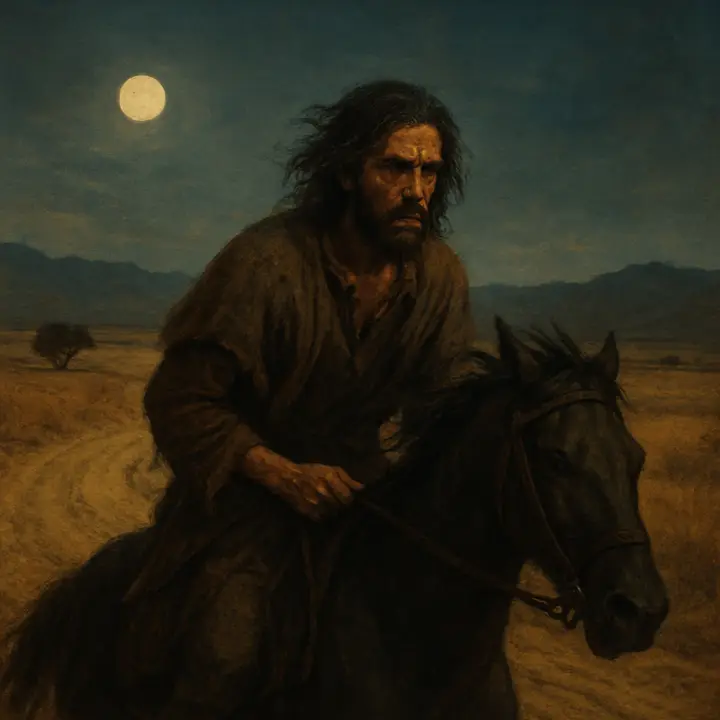
An Andalusian noble driven to the Sierra Morena by betrayed love, who lives as a ragged, singing madman until reconciliation.
Who is Cardenio?
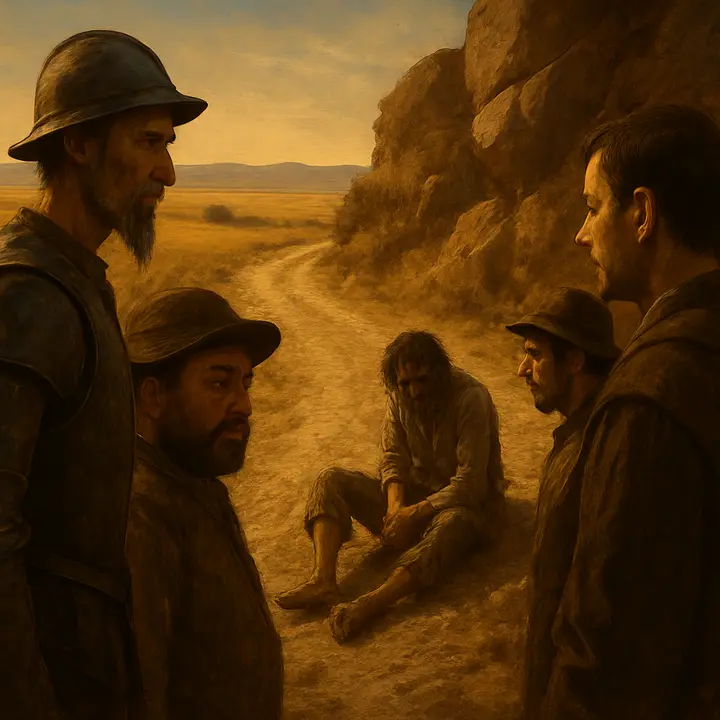
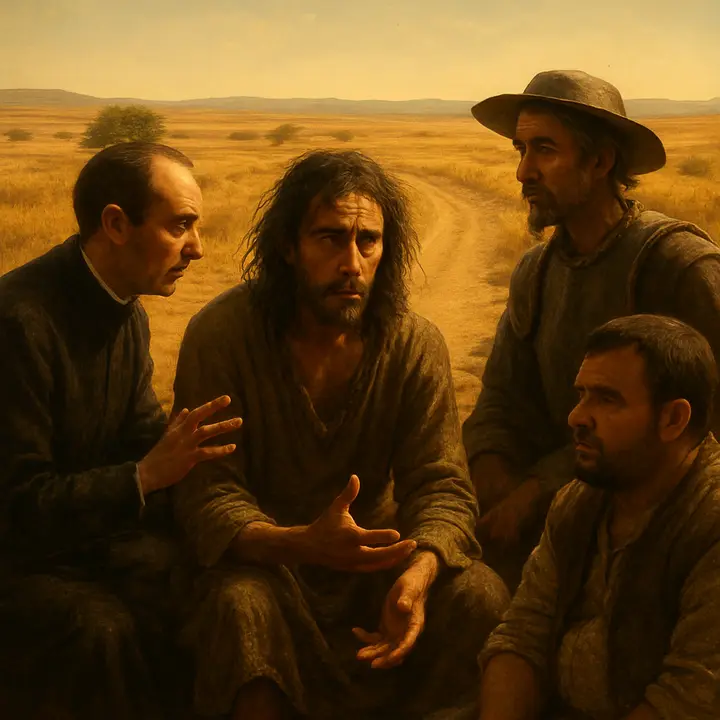
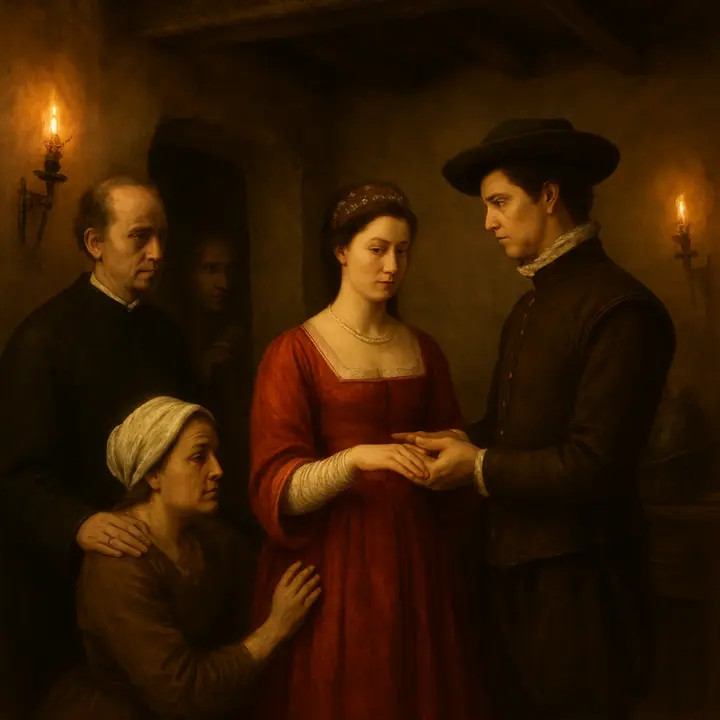
Cardenio is a dispossessed gentleman from Andalusia whose life is wrecked by a love triangle with Luscinda and Don Fernando. He wanders the Sierra Morena after witnessing Luscinda’s apparent pledge to another and suffering the theft or betrayal of his honour; in the mountains he alternates between lucid speech and feral madness, begging food, singing plaintive poems, and demanding silence before telling his tale. When encountered by Don Quixote, Sancho, a goatherd, and later the curate and barber, Cardenio narrates the sequence of seduction, a false betrothal, and his own desperate flight. He at times lashes out — striking Don Quixote and defeating Sancho and others in a burst of violence — but he also shows restraint and a capacity for reason when he calmly recounts details of Luscinda, Don Fernando, and the episodes that ruined him. He joins the company that shelters Dorotea, participates in the ruse of Princess Micomicona, and is present for the final emotional reunion at the inn where Luscinda and Don Fernando’s accounts lead to forgiveness and Cardenio’s restoration.
In the book: Cardenio is a sidelined noble whose love story collides with Don Quixote’s wanderings in the Sierra Morena. Found living feral after a profound betrayal, he recounts a tale that entwines themes of honor, class, fidelity, and madness, mirroring and grounding the novel’s larger play between delusion and reality without requiring knowledge of the main plot’s outcomes.
Personality
- Passionate
- He recounts his lifelong love for Luscinda and reacts with intense jealousy and anguish when Don Fernando reads his letters and intrudes on their bond.
- Volatile
- At the meadow he suddenly strikes Don Quixote and swiftly overpowers Sancho and the goatherd in a surprising eruption of violence.
- Mournful
- He composes plaintive songs and narrates his misfortunes in the mountains, asking first for food and a promise of silence before speaking.
- Proud (honourable)
- He refuses to live a life without Luscinda and prefers misery in the mountains to dishonour, describing his ruined sense of honour in detail.
- Capable of reason
- When the curate and barber meet him later he speaks calmly and coherently, relating the narrative of betrayal and flight with clear sequence and judgment.
Character arc
Cardenio appears first as the mysterious Ragged One begging food in the Sierra Morena and insistently commanding silence before he tells his misfortunes; in that initial phase he fluctuates between lucid storytelling and explosive violence (striking Don Quixote and defeating others) which displays both his broken nobility and his animalized condition. As the narrative proceeds, he alternates solitude and engagement: he sings and wanders but also recognizes and converses with the curate and barber, showing moments of composure when he tells the full story of Luscinda and Don Fernando. He accepts shelter among the travelling company and participates in the staged chivalric plot around Dorotea, moving from isolated suffering toward social reintegration. The arc culminates at the inn when Luscinda and Don Fernando arrive: Cardenio witnesses Luscinda’s declaration of fidelity and Don Fernando’s public reparation, and the emotional reunion restores Cardenio’s status and relieves his despair. Thus he moves from abandoned, feral exile to a restored gentleman whose anguish is resolved through public recognition and reconciliation.
Cardenio in pictures
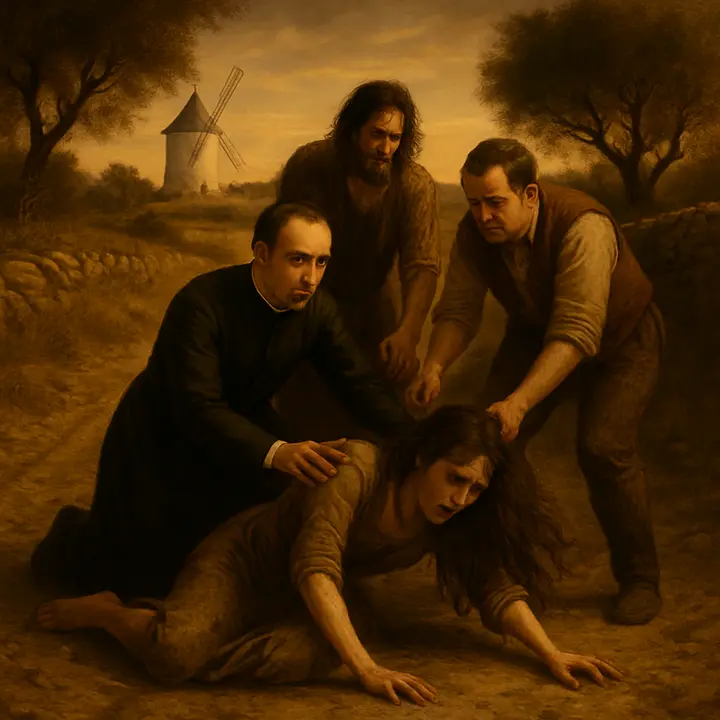
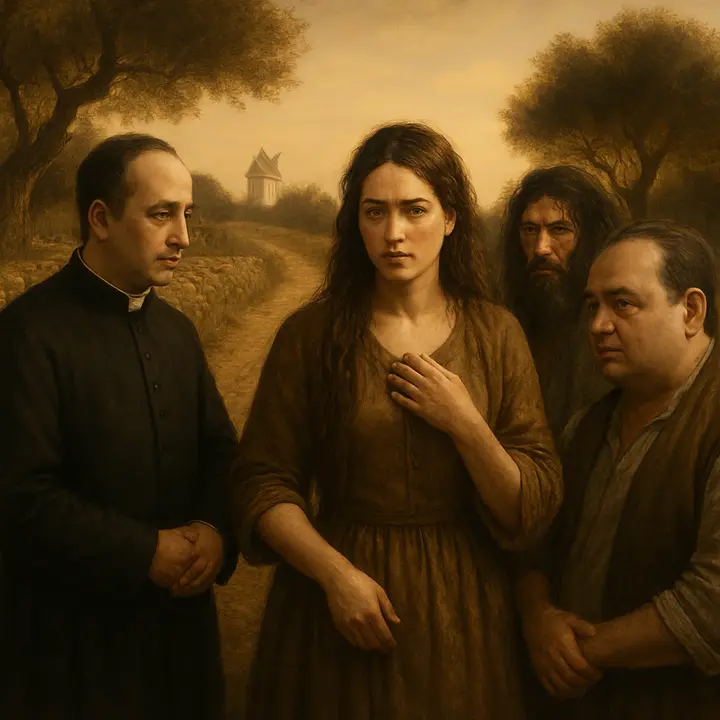
Relationships
- Luscinda His lifelong beloved whose apparent betrayal and forced betrothal drive Cardenio into flight and madness.
- Don Fernando The rival whose reading of Cardenio’s letters and subsequent claim on Luscinda occasion Cardenio’s ruin and exile, later reconciled publicly.
- Dorotea A wronged woman he pledges to serve in the mountains and who becomes an ally in the company that shelters him.
- Don Quixote An intervening knight-errant whom Cardenio first meets and violently strikes but later travels beside as part of the larger group.
- The Barber One of the men who listens to Cardenio’s full account, helps shelter him, and participates in the ruse and debates surrounding his fate.
- The Priest A moral and practical presence who, with others, counsels, shelters, and helps mediate the disputes that lead to Cardenio’s restoration.
Quotes by Cardenio
“If it is your wish, sirs, that I should disclose in a few words the surpassing extent of my misfortunes, you must promise not to break the thread of my sad story with any question or other interruption, for the instant you do so the tale I tell will come to an end.”
Chapter 24He demands silence and a promise before beginning the account of his misfortunes, setting up the storytelling frame.
“My name is Cardenio, my birthplace one of the best cities of this Andalusia, my family noble, my parents rich, my misfortune so great that my parents must have wept and my family grieved over it”
Chapter 24Opening line of Cardenio’s autobiographical narrative establishing his social standing and the depth of his suffering.
“I see plainly, sirs, whoever you may be, that Heaven, whose care it is to succour the good, and even the wicked very often, here, in this remote spot, cut off from human intercourse, sends me, though I deserve it not, those who seek to draw me away from this to some better retreat, showing me by many and forcible arguments how unreasonably I act in leading the life I do;”
Chapter 27Cardenio's opening reflection as he recognizes the visitors and asks them to hear his sad and complete account of misfortune.
Why Cardenio matters
Cardenio embodies the novel’s examination of honor, madness, and the porous boundary between reason and frenzy. His fall from gentleman to feral singer dramatizes how social betrayal and romantic dishonour can produce a life on the margins, while his lucid narratives ground the book’s more fantastical episodes in human grief. The eventual public reconciliation underscores themes of public honour, social restoration, and the pastoral resolution of conflict, offering a counterpoint to Don Quixote’s private delusions and highlighting Cervantes’s interest in how stories of love and reputation shape identity.
Chapters with Cardenio
More Don Quixote characters
 Don QuixoteProtagonist
 Sancho PanzaMajor character
 Dulcinea del TobosoMinor character
- RRocinanteMajor character
 The DukeMajor character
- DDappleMinor character
 The BarberMajor character
 Cide Hamete BenengeliNarrator
All chapter summaries ›Characters ›
Read Don Quixote illustrated
Every scene in these notes comes from the Book2Life reader, where the full public-domain text is illustrated as you read, with character portraits and narration. Free in your browser and on iPhone.
