Don Quixote Chapter 73 Summary
Omens on the Homecoming
Don Quixote returns to his village, reads omens everywhere, proposes to live as a shepherd, and is tended at home by family.
Summary
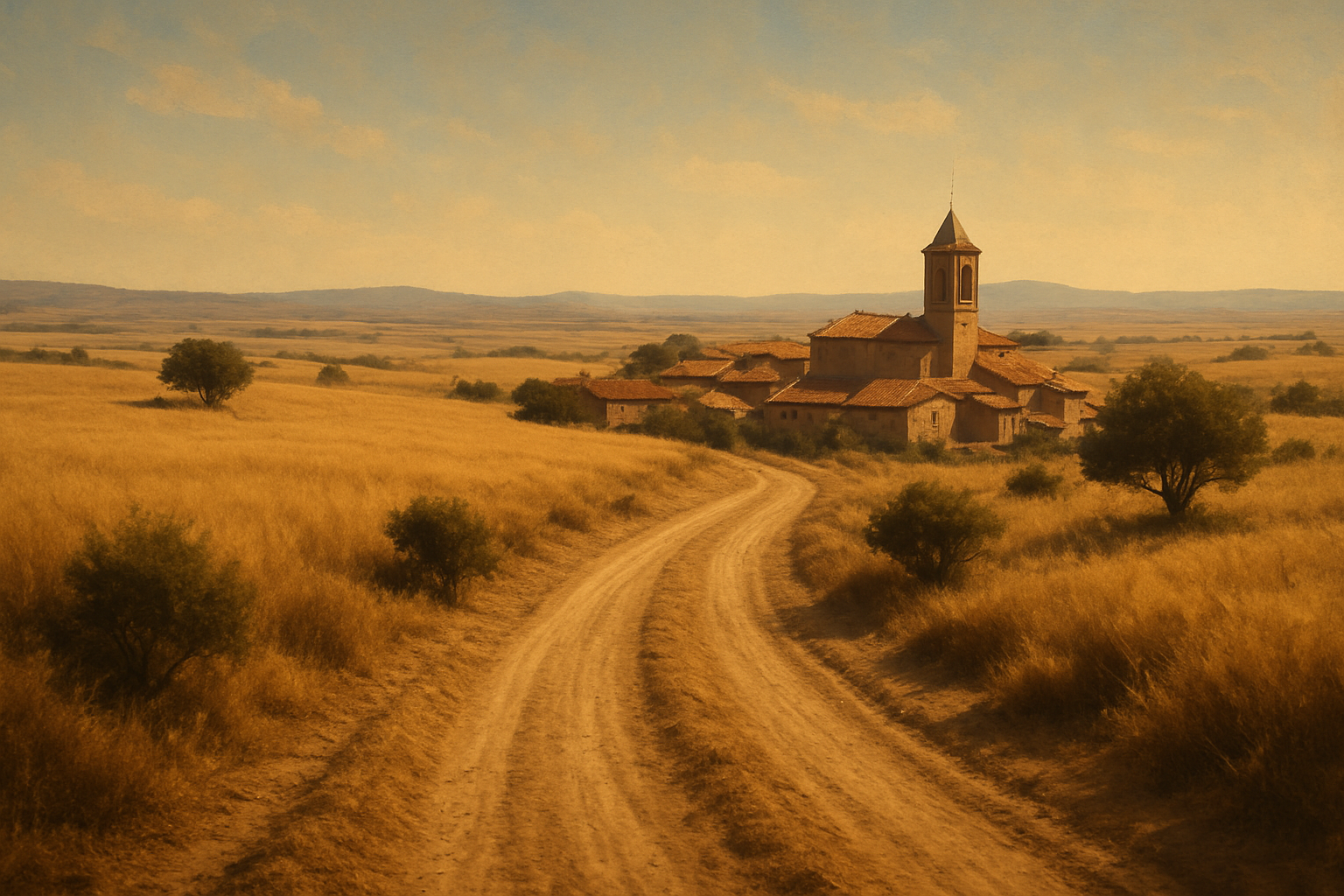
As Don Quixote and his company enter the village, Cide Hamete reports that Quixote interprets a boy’s casual boast—“Thou shalt never see it again as long as thou livest”—as a bad omen foretelling he will never again see Dulcinea. Sancho interrupts when a hunted hare dives under Dapple; Sancho captures it and offers it as a counter to the omen, and he even buys a cage of crickets from the quarrelling boys to dispel superstitious signs. The party meets local sportsmen who reclaim the hare, and they discover the curate and the bachelor Samson Carrasco waiting at the green. Sancho has dressed Dapple in the painted buckram robe and a mitre, curiosities the boys notice with delight. They proceed to Don Quixote’s house where his niece and housekeeper have already learned of his arrival; Teresa Panza also rushes out, half undressed and anxious, leading Sanchica and Dapple home.
Don Quixote withdraws with the bachelor and the Priest (the curate) to describe his defeat and to insist he is bound by an oath not to leave the village for a year. He announces his plan to pass that year as a shepherd, with himself renamed Quixotize and his companions given pastoral noms de plume; Samson relishes the chance to compose pastoral verse and suggests every shepherd should pick a shepherdess to praise—Don Quixote proudly names Dulcinea del Toboso. The Priest and Samson humoringly consent to accompany him in hopes the enforced retreat will cure him. The niece and housekeeper overhear and object: they insist the outdoors life will not suit him and urge him to stay home and tend his health. Don Quixote accepts their care, asks to be put to bed, and is made comfortable by the two women, who nervously hope for his recovery and stability.
Key events
- Don Quixote interprets a boy's remark as an omen about Dulcinea.
- A hunted hare hides under Dapple; Sancho captures it and buys crickets to counter omens.
- They meet the curate and Samson Carrasco at the village green; Sancho’s dressing of Dapple draws children’s laughter.
- Don Quixote announces he will spend his year as a shepherd and gives pastoral names to the group.
- Samson pledges to write pastoral verses; the Priest and Samson agree to stay with Quixote.
- Niece and housekeeper confront Don Quixote and help him to bed after he vows care for them.
Chapter 73 in pictures


Analysis
This chapter shifts the novel from episodic adventures back to domestic and communal life, using the village’s ordinary bustle to contrast Quixote’s extravagant inner world. Quixote’s interpretation of trivial signs (the boys’ quarrel, the hare) highlights his persistent tendency to remap everyday events into chivalric meaning, a motif that underlines the novel’s exploration of perception versus reality. Sancho’s pragmatic, earthy responses provide comic counterpoint and demonstrate his role as both foil and loyal companion; his purchase of the cricket cage is a small, practical attempt to neutralize superstition and salvage normalcy.
Structurally, this chapter begins reintegration: Quixote returns to home, is observed by neighbors, and outlines a plan for enforced withdrawal that advances the novel’s theme of self-fashioning—Quixote renames himself and his friends to fit pastoral romance, revealing how identity in the book is performative. Samson’s eagerness to write pastoral poetry signals the playful intertextuality Cervantes deploys: literary fashions are discussed and repurposed within the story. The domestic closing—women helping Quixote to bed—temporalizes the hero, bringing the work back to bodily vulnerability and community care, and foreshadows the therapeutic (or corrective) aim the Priest and Samson hope the rural retreat will have.
Important quotes
“Dost thou not mark, friend, what that boy said, ‘Thou shalt never see it again as long as thou livest’?”
Don QuixoteQuixote seizes a boy's boast as an ominous prediction about his never seeing Dulcinea again, showing his habit of reading portents into ordinary remarks.
“Malum signum, malum signum! a hare flies, greyhounds chase it, Dulcinea appears not.”
Don QuixoteWhile a hunted hare hides under Dapple, Quixote declares it a bad omen linking the scene to his beloved Dulcinea, blending the comic and the deluded.
“I bring money, and that’s the main thing, got by my own industry without wronging anybody.”
Sancho PanzaSancho defends his return and his spoils to Teresa, emphasizing his practical, material concerns in contrast to his master's romantic obsessions.
Characters in Chapter 73
All chapter summaries ›Characters ›
Read Don Quixote illustrated
Every scene in these notes comes from the Book2Life reader, where the full public-domain text is illustrated as you read, with character portraits and narration. Free in your browser and on iPhone.
