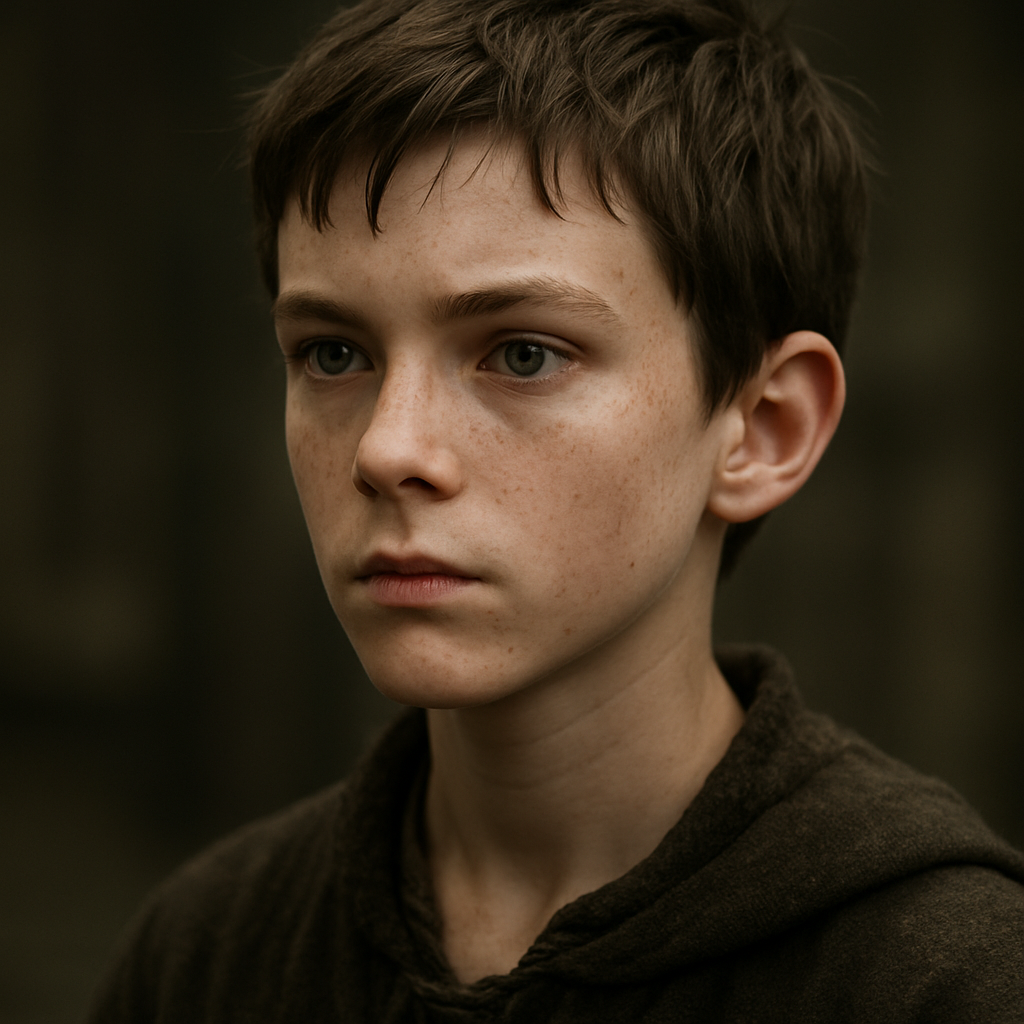
Fleance in Macbeth
Minor character
Banquo’s young son who accompanies his father, observes court life, and narrowly escapes an assassination attempt.
Who is Fleance?
Fleance is Banquo’s young son seen at Macbeth’s castle and riding with his father. He wants to stay close to Banquo and behave properly—attentive, cautious, and respectful in public. He notices the tense atmosphere around Macbeth and listens to his father’s concerns about the Weird Sisters’ prophecies. Late one night Macbeth arranges for Banquo and Fleance to be attacked; in the ambush Banquo is killed but Fleance manages to flee into the darkness. News of his escape reaches the court and heightens Macbeth’s fear, since the witches predicted Banquo’s descendants would inherit the throne. Fleance’s survival becomes a loose, threatening presence in the play: he is a living trace of Banquo’s line and a possible future heir whose existence undermines Macbeth’s security.
In the book: When we first meet Fleance, he’s Banquo’s young son, tagging along at Macbeth’s castle and doing his best to mind his manners. He’s attentive to his father, quick to notice the mood around them, and clearly raised to be cautious and respectful.
Personality
- attentive
- In Act 2, Scene 1 he walks with Banquo at the late hour, listening to his father’s concerns and minding his manners at court.
- cautious
- Banquo rides out with Fleance until evening (Act 3, Scene 1), showing Fleance is raised to be careful and obedient.
- observant
- He notices the mood at Inverness and follows his father’s lead when Banquo speaks of the witches and their prophecies (Act 2, Scene 1).
- resilient
- During the murderers’ ambush (Act 3, Scene 3) Fleance escapes into the night despite the sudden violence.
Character arc
Fleance’s role is compact but pivotal: he appears first as a dutiful, watchful child accompanying Banquo in the royal household, absorbing the uneasy talk about prophecies and Macbeth’s behavior. He remains largely passive and dependent on his father until the crucial violent turn when Macbeth arranges Banquo’s murder. In the ambush Fleance shifts from sheltered observer to hunted survivor—he flees when his father is attacked and successfully escapes, a sudden movement from security to precarious freedom. He does not reappear on stage, but reports of his flight reach Macbeth and the court, turning Fleance into an offstage agent of tension. By the end of the provided scenes Fleance has not grown into an active avenger onstage; instead his escape preserves the possibility of Banquo’s line continuing and keeps the witches’ prophecy alive, maintaining his significance as a future threat to Macbeth’s ill-gotten throne.
Relationships
- Banquo His father; Fleance follows and listens to Banquo and is present with him at court and on the fatal ride.
- Macbeth The new king who views Banquo’s line as a threat and arranges the murder that forces Fleance to flee.
- First Murderer One of the attackers present at the ambush who assaults Banquo while Fleance escapes into the night.
- Third Murderer Named by the other killers as acting on Macbeth’s orders in the plot that leads to Banquo’s death and Fleance’s flight.
- Lennox A lord who later comments on Banquo’s death and Fleance’s escape, using Fleance’s flight as evidence against Macbeth.
Why Fleance matters
Fleance embodies the theme of lineage and the instability of power achieved by violence. His escape preserves the witches’ prophecy about Banquo’s descendants, undermining Macbeth’s attempt to secure his line through murder. Although Fleance is mostly offstage after the ambush, his survival haunts Macbeth and fuels court suspicion, showing how innocent lives and the promise of future generations can unsettle tyrannical rule. Fleance’s presence also highlights contrasts between childlike vulnerability and the corrupt, murderous ambitions of the adults around him.
Chapters with Fleance
More Macbeth characters
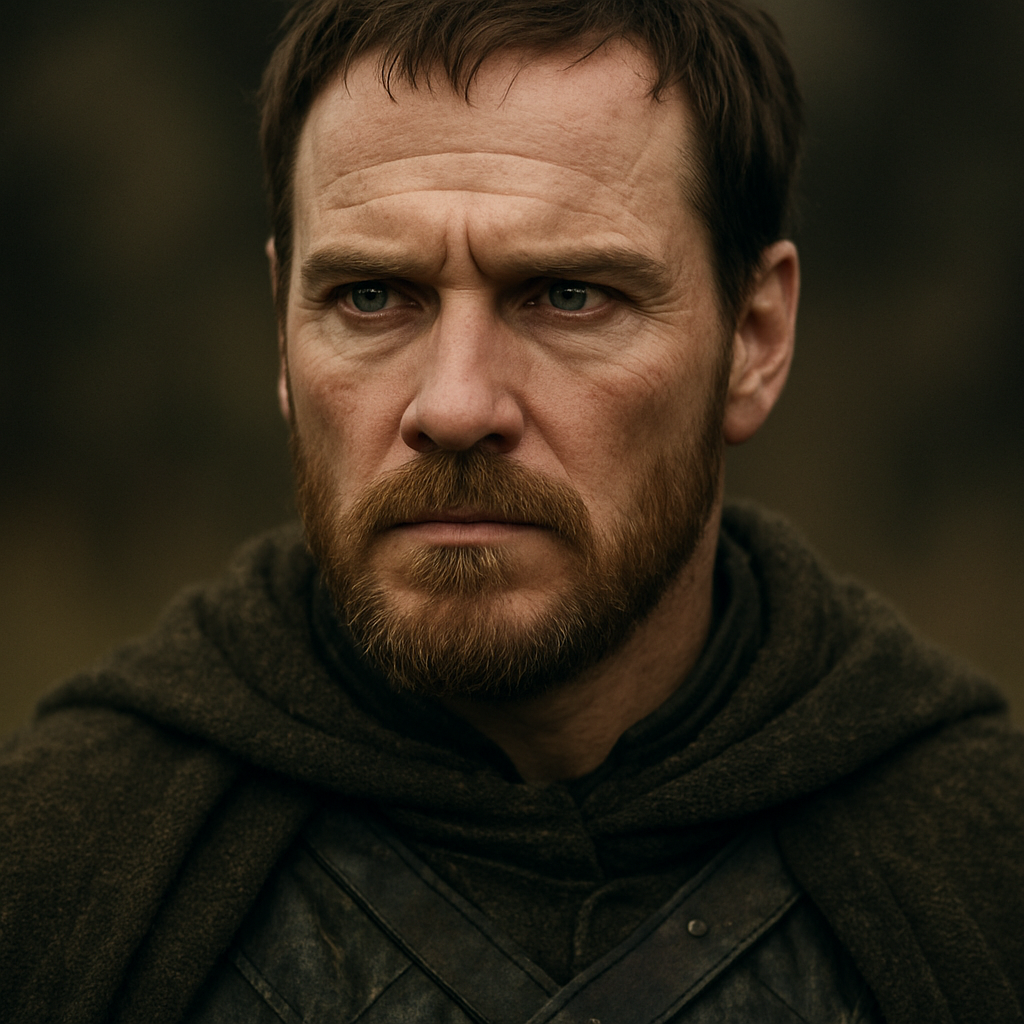 Macbeth
 Banquo
 Macduff
 Malcolm
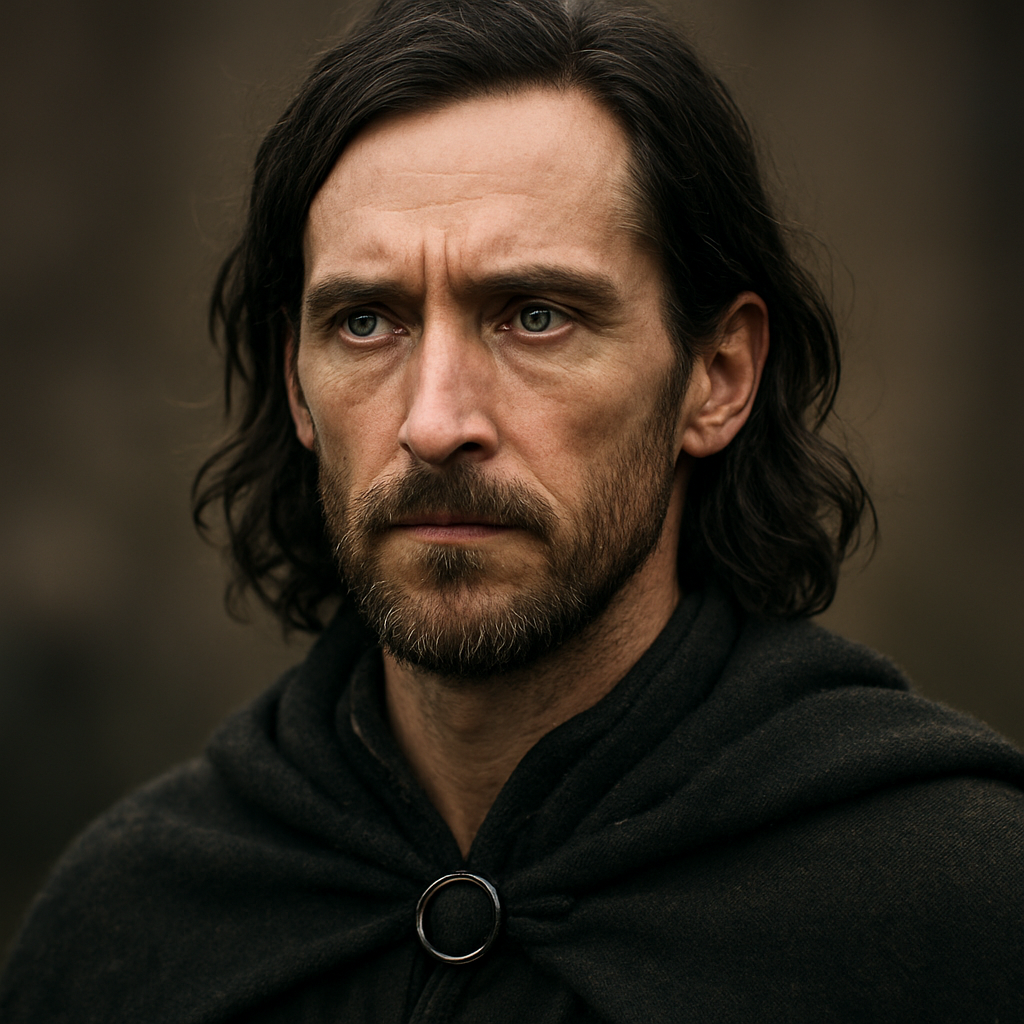 Ross
Ross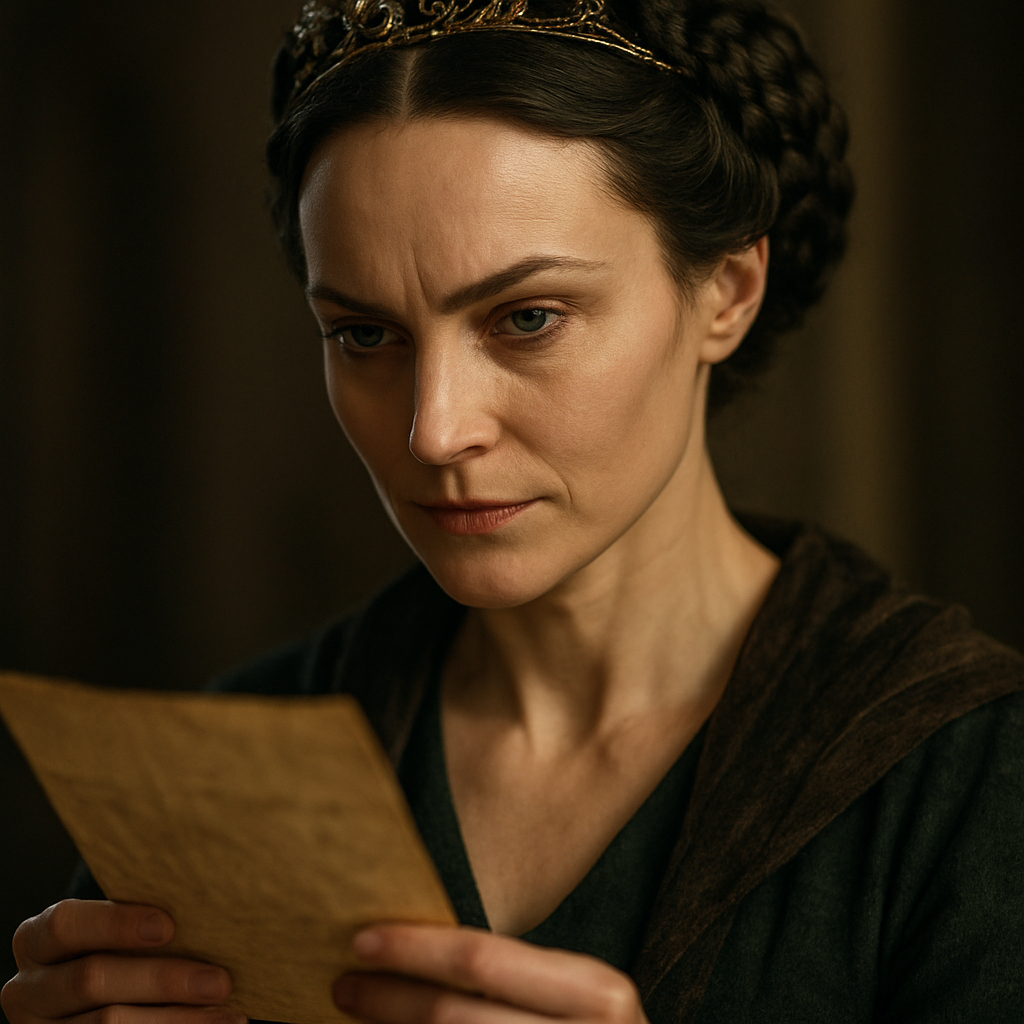 Lady Macbeth
 Lennox
 Duncan
All chapter summaries ›Characters ›
Read Macbeth illustrated
Every scene in these notes comes from the Book2Life reader, where the full public-domain text is illustrated as you read, with character portraits and narration. Free in your browser and on iPhone.
