First Murderer in Macbeth
Minor character
One of three hired killers Macbeth recruits to ambush Banquo and later attacks civilians at Macduff’s castle.
Who is First Murderer?
The First Murderer is a professional killer hired by Macbeth to remove threats to the throne. Macbeth manipulates and flatters him into accepting the task, assigning him a role in the night ambush on Banquo and his son Fleance. In the park he strikes the first blow against Banquo during the attack; Banquo dies but Fleance escapes, a failure the killers bitterly regret. Later, the murderers appear again at Macduff’s castle where they seek Macduff’s family; the First Murderer participates in a sudden, brutal assault in which Macduff’s young son is stabbed and Lady Macduff is chased offstage. He acts as an anonymous instrument of Macbeth’s violence, carrying out orders without recorded personal motive beyond the contract and the moment’s cruelty.
Personality
- Obedient
- He follows Macbeth’s instructions and takes his place in the planned ambush after Macbeth secures their agreement in Act 3, Scene 1.
- Violent
- He strikes the first blow against Banquo in the mêlée in Act 3, Scene 3, initiating the murder.
- Practical
- He and the other murderers decide to wait concealed in the park until darkness so the attack will succeed, showing tactical thinking.
- Remorseless
- After Banquo’s death and Fleance’s escape, the killers leave and later take part in the unprovoked attack that kills Macduff’s child in Act 4, Scene 2.
Character arc
The First Murderer appears first as one of the nameless hired men Macbeth recruits to secure his throne. He enters the story as a willing instrument, persuaded by Macbeth’s manipulation in Act 3, Scene 1 to commit regicide and familial slaughter. In the park ambush (Act 3, Scene 3) he moves from planning to action, delivering the opening strike that kills Banquo; the escape of Fleance marks a professional failure he and his companions regret. He does not show personal reflection or public conscience about the political motives behind his work; instead, he continues to perform violent tasks. By Act 4, Scene 2 he participates in another brutal assignment at Macduff’s castle, where the attack claims an innocent child and scatters the family. Across his appearances he remains an anonymous executor of violence: competent, unrepentant, and defined by the physical acts he commits rather than by inner conflict or development.
Relationships
- Macbeth Employer who recruits and instructs him to eliminate Banquo and Fleance.
- Third Murderer Colleague in the ambush; they argue about who hired them and share responsibilities in the attack.
- Banquo Victim he attacks and helps kill in the park ambush.
- Fleance Intended victim who escapes during the ambush he helps carry out.
- Lady Macduff's Son Child he stabs during the sudden attack at Macduff’s castle.
- Lady Macduff Target of the murderers’ assault who is pursued offstage after her child is slain.
Why First Murderer matters
The First Murderer embodies the impersonal cruelty and practical brutality underpinning Macbeth’s reign. He shows how political ambition is enacted through anonymous violence: decisions made at the top are carried out by hired hands who neither question nor represent the moral stakes. His actions highlight themes of culpability and the human cost of power—Banquo’s murder, Fleance’s escape, and the killing of an innocent child all expose the destabilizing ripple effects of Macbeth’s crimes and the erosion of social order when violence becomes a tool of policy.
Chapters with First Murderer
More Macbeth characters
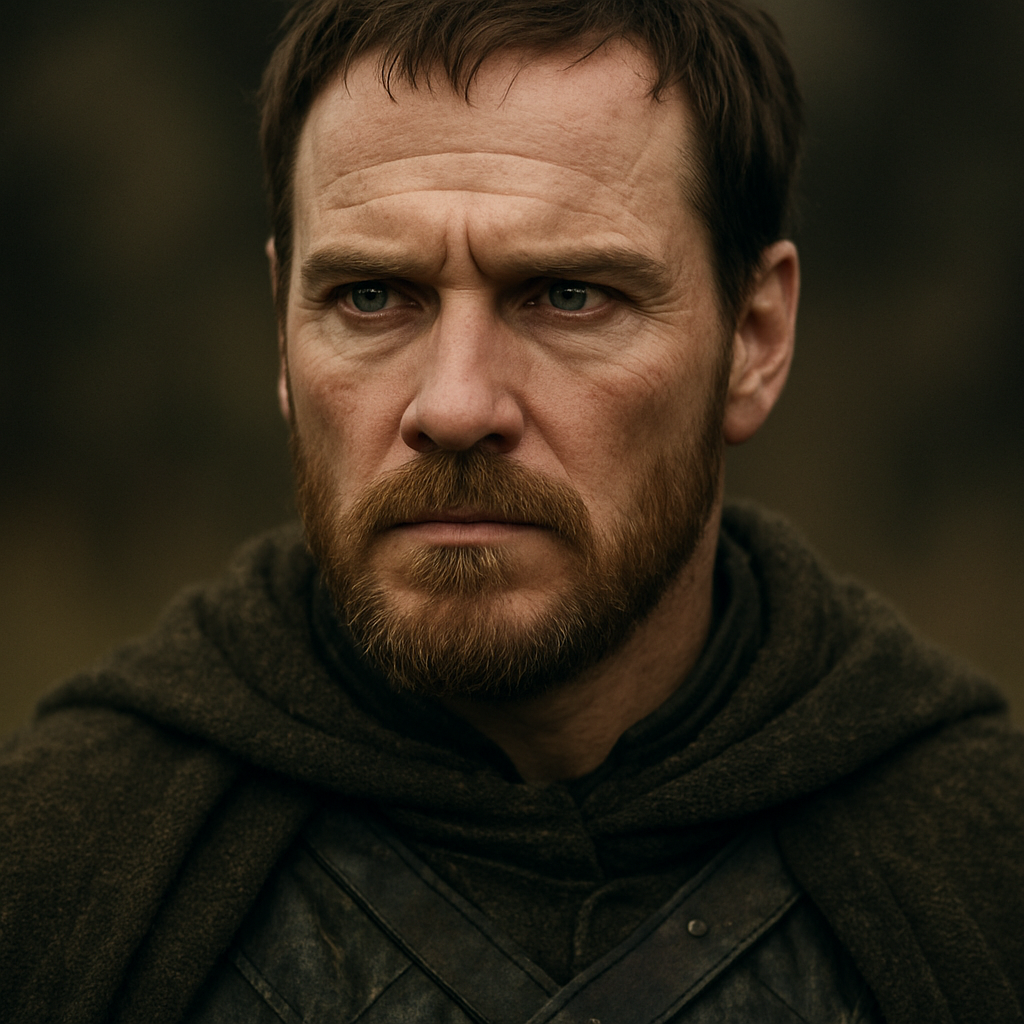 Macbeth
 Banquo
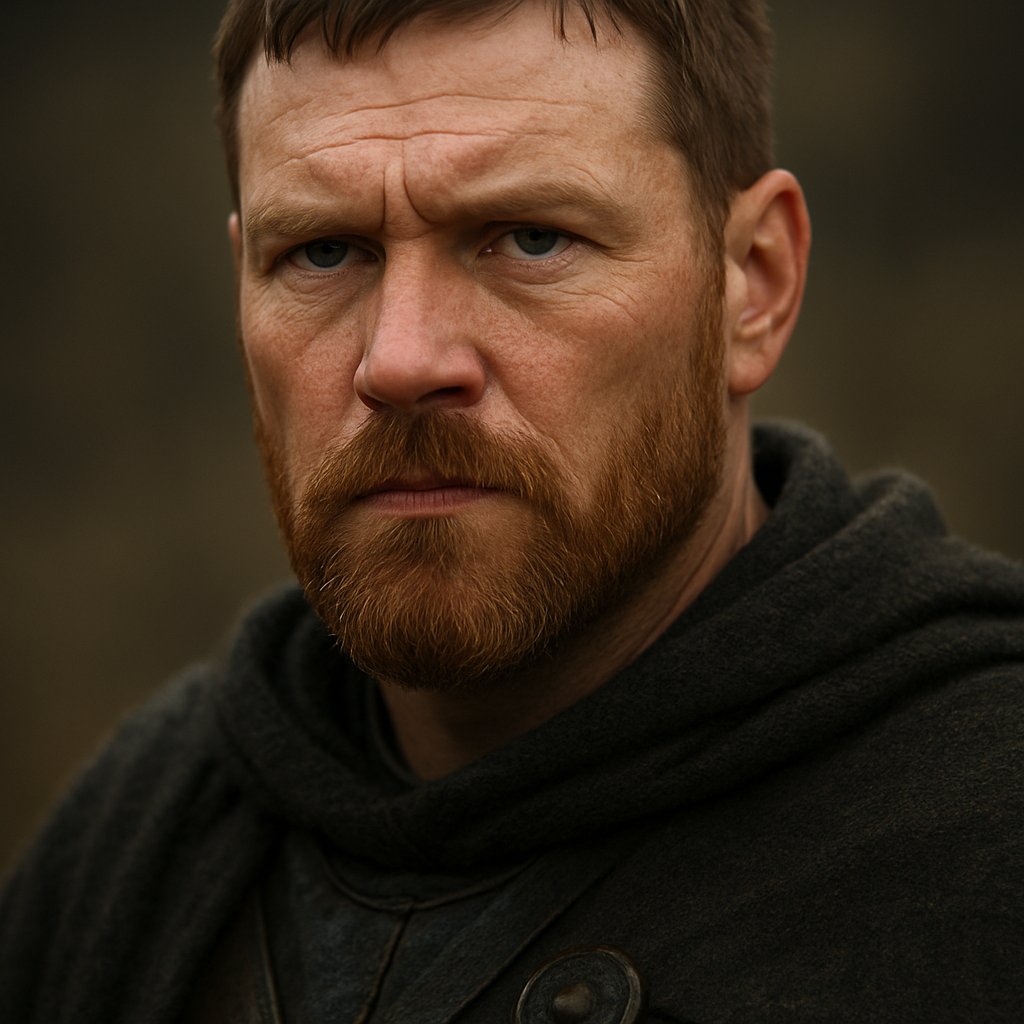 Macduff
 Malcolm
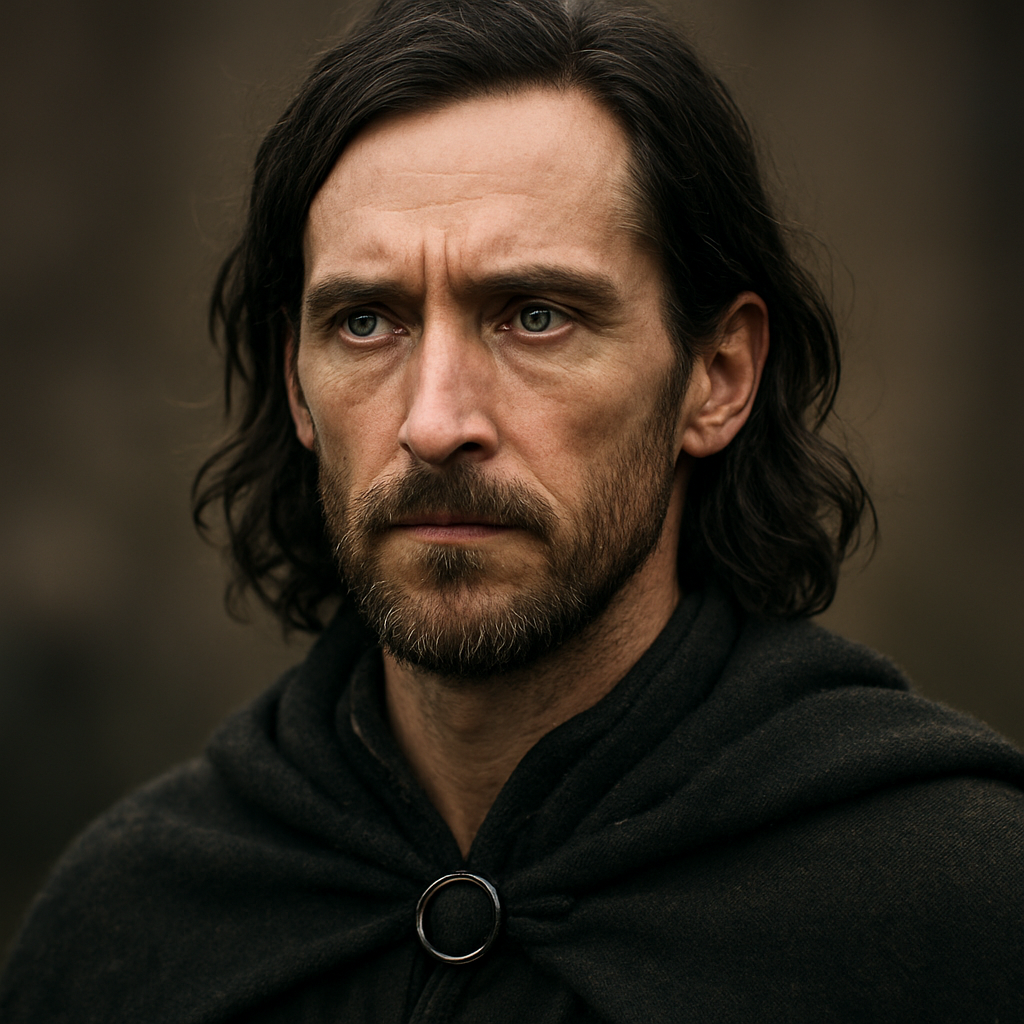 Ross
Ross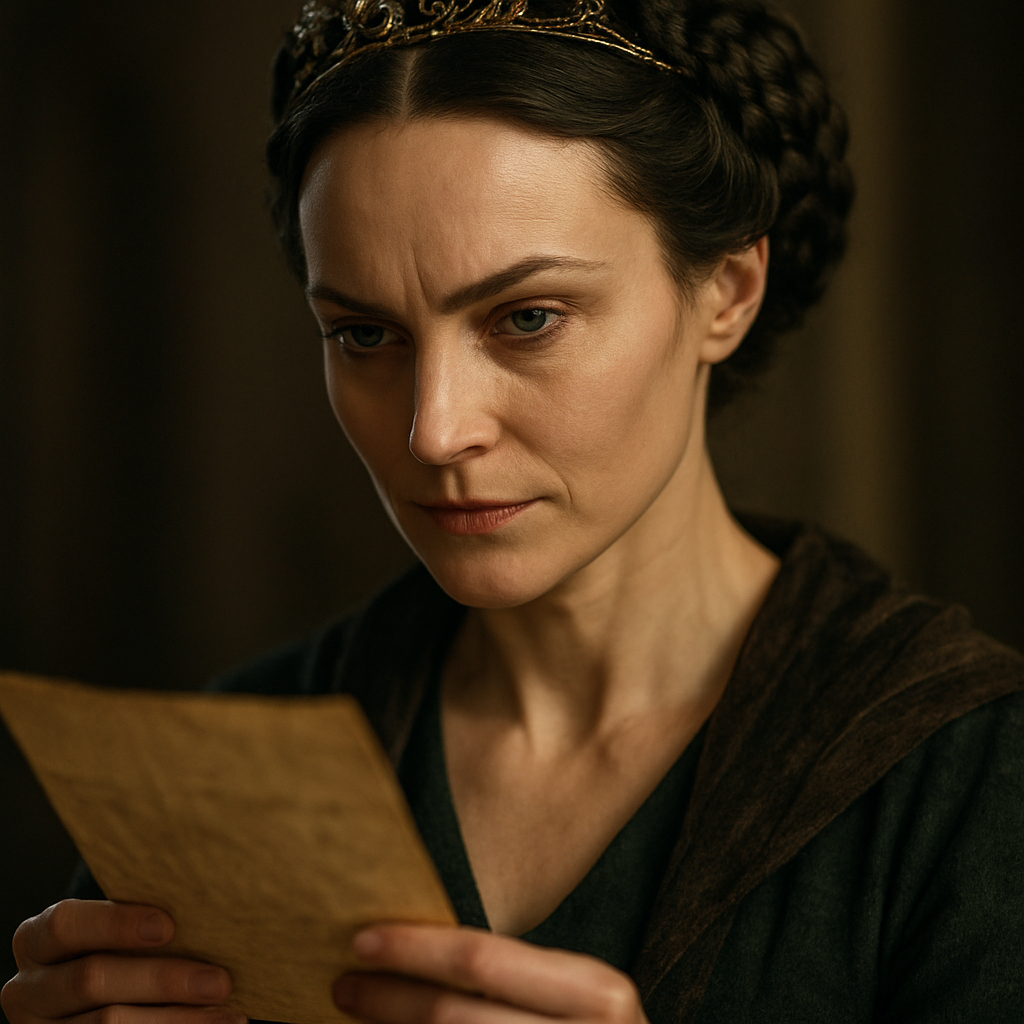 Lady Macbeth
 Lennox
 Duncan
All chapter summaries ›Characters ›
Read Macbeth illustrated
Every scene in these notes comes from the Book2Life reader, where the full public-domain text is illustrated as you read, with character portraits and narration. Free in your browser and on iPhone.
