
Fred Vincy in Middlemarch
Major character
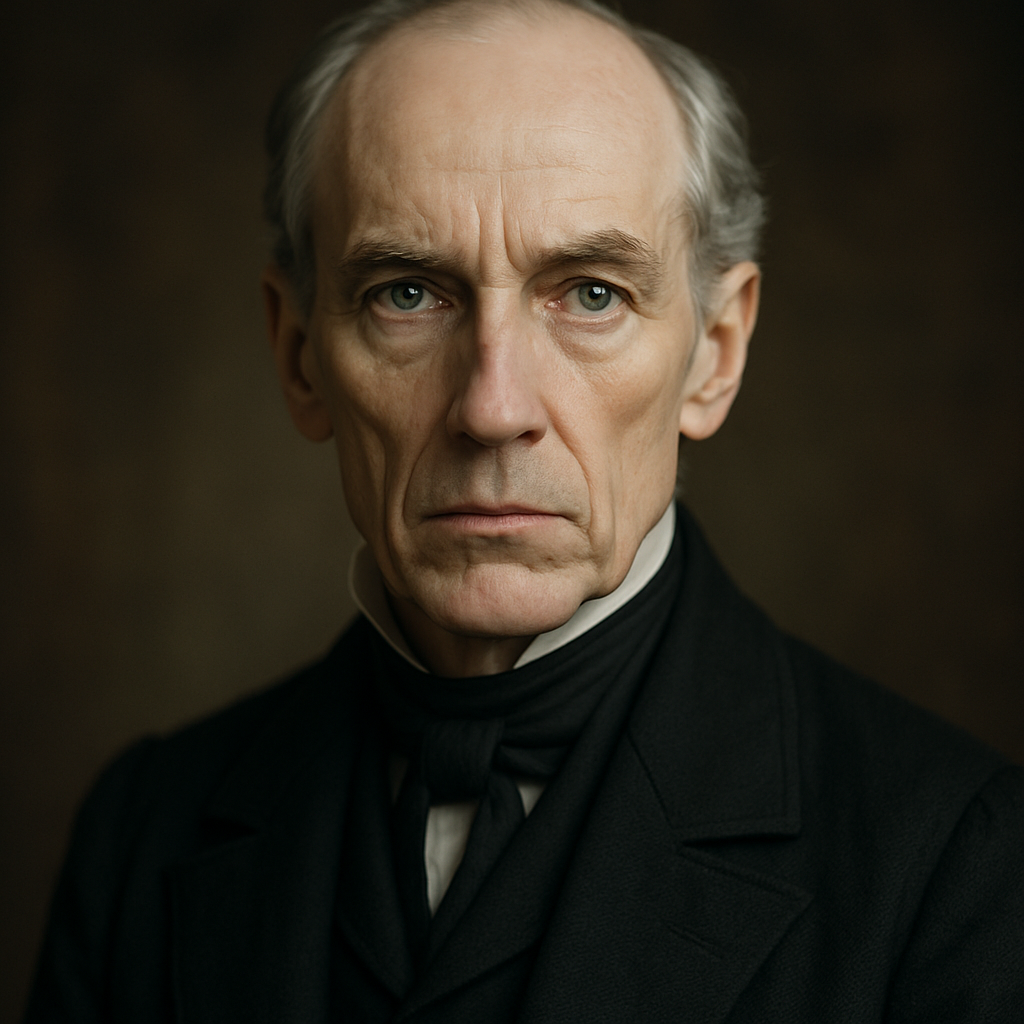
A good-looking, amiable Vincy heir who drifts into debt but strives to become responsible and win Mary Garth.
Who is Fred Vincy?
Fred Vincy is the pleasure-loving son of the prosperous Vincy family, liked for his charm but habitually idle and financially imprudent. Early in the novel he relies on expectations of Uncle Featherstone’s legacy and social courtesy, accumulating gambling losses and bills that embroil his family and neighbours. Confronted with exposure and shame—most sharply when Mary Garth and the Garths step in to cover his obligations—he experiences humiliation that forces a reckoning. After a fever, gossip, and the ruin of his hoped inheritance, Fred contemplates the Church, is rebuked by Mary for unworthiness, and ultimately accepts practical training under Caleb Garth. He learns farm business and steadiness, resists lapses into old haunts, and works to deserve Mary’s constancy. By the book’s end Fred is established as Stone Court’s tenant-manager, a competent farmer, married to Mary and the father of children, transformed from hopeful idler to dependable rural proprietor.
In the book: Fred Vincy is the amiable but pleasure-loving son of a prosperous Middlemarch family. Well liked and good-looking, he drifts through early adulthood on charm and expectations of inheritance, generating debts and scrapes that ripple through the town’s social web. His arc tests whether affection, work, and moral steadiness can replace easy luck, making him a touchstone for themes of maturity, responsibility, and class aspiration.
Personality
- Amiable
- At home he charms at breakfast and amuses company with flute-playing and banter (Chapter 11).
- Irresponsible
- He renews a bill, gambles at Houndsley, and returns with a lame, vicious horse that ruins his plan to pay debts (Chapters 23, 24).
- Shamefaced/repentant
- After confessing his failure to Caleb and Mrs. Garth he flees in shame when they expose how he cannot meet the £160 bill (Chapter 24).
- Hopeful/optimistic
- He repeatedly counts on Featherstone’s rumored gift and imagines quick fixes—selling horses or gambling gains—to settle liabilities (Chapters 12, 23, 24).
- Willing to reform
- He accepts Caleb Garth’s offer to teach him business and later takes up the practical management role at Stone Court (Chapters 56, Finale).
Character arc
Fred begins as a well-liked, imprudent younger son who drifts on charm and expectations of an inheritance. Early scenes show him at ease in social rooms and indifferent to steady work, teasing with slang and music while his debts mount (Chapter 11). Rumours about Featherstone and the pressure of an uncle’s threats force him into awkward confrontations (Chapters 12–13). His speculation at Houndsley and the disastrous purchase of a horse precipitate a moral crisis: he confesses to the Garths and Stone Court, is openly reproved by Mary, and witnesses the real costs his idleness has imposed on others (Chapters 23–25). Illness, gossip, and social humiliation deepen his resolve; he considers the Church but cannot sincerely commit (Chapter 52). Tested further, he accepts practical apprenticeship under Caleb Garth, struggles with office tasks, and resists some temptations (Chapters 56, 66). Ultimately, through steady work as Stone Court’s manager and Mary’s steady partnership, he transforms into a prudent, affectionate husband and competent farmer, trading easy hopes for earned responsibility by the Finale.
Relationships
- Mary Garth His moral touchstone and eventual wife who refuses to encourage him while he is idle but remains constant and helps him reform.
- Rosamond Vincy His sister, whose vanity and domestic ambitions contrast with his troubles; they share familial intimacy and social entanglements.
- Mr. Vincy His father, who scolds Fred for improvidence and reacts angrily when Fred’s hopes of Featherstone’s legacy fail.
- Caleb Garth A pragmatic mentor who signs bills for Fred, reproves him, then teaches him business and later oversees his placement at Stone Court.
- Peter Featherstone The miserly kinsman whose death and will shatter Fred’s expectations of easy wealth and trigger the crisis that propels Fred to reform.
- Tertius Lydgate A brother-in-law by Rosamond’s marriage whose professional steadiness and later financial strain contrast with Fred’s earlier irresponsibility; they cross socially and morally in town gossip.
Quotes by Fred Vincy
“I like neither Bulstrode nor speculation.”
Chapter 12Fred rejects Mr. Featherstone’s caricature of Bulstrode and financial 'speculation,' revealing his discomfort with the accusation and the financial conversation.
“You would admire a stupendous fellow, who would have wise opinions about everything.”
Chapter 14Fred teases Mary about the kind of man she would admire, revealing his insecurity and desire to be seen as respectable and impressive.
“I can’t keep my word. I can’t find the money to meet the bill after all. I have been unfortunate; I have only got these fifty pounds towards the hundred and sixty.”
Chapter 24Fred's blunt confession to Caleb and Mrs. Garth, the central event that reveals his insolvency and shame.
“I am a good-for-nothing blackguard.”
Chapter 25Fred’s blunt opening confession establishes his shame and sets the chapter’s moral tone.
“I feel very ill: I think you must send for Wrench.”
Chapter 26Fred's first clear complaint, prompting the household to summon medical help.
“I must go into the Church now.”
Chapter 35Fred’s blunt, despairing reaction upon realizing his plans and prospects have been ruined by the will.
Why Fred Vincy matters
Fred embodies the novel’s concern with moral growth, social expectation, and class mobility: he begins as an emblem of genteel idleness dependent on inheritance and social grace, and ends as a model of steady, useful domestic life achieved through labor and reform. His story shows how personal character and the support—or rebuke—of others (notably Mary and Caleb) can convert wasted promise into responsible contribution. In Eliot’s moral economy, Fred’s quiet domestic success validates the book’s theme that unheroic, patient work and mutual fidelity produce real social value and private happiness.
Chapters with Fred Vincy
- Chapter 11
- Chapter 12
- Chapter 13
- Chapter 14
- Chapter 16
- Chapter 23
- Chapter 24
- Chapter 25
- Chapter 26
- Chapter 27
- Chapter 29
- Chapter 31
- Chapter 32
- Chapter 33
- Chapter 34
- Chapter 35
- Chapter 36
- Chapter 40
- Chapter 52
- Chapter 56
- Chapter 57
- Chapter 58
- Chapter 59
- Chapter 63
- Chapter 66
- Chapter 68
- Chapter 70
- Chapter 71
- Chapter 85
- Chapter 86
- Finale
More Middlemarch characters
 Dorothea BrookeProtagonist
 Tertius LydgateMajor character
 Will LadislawMajor character
 Mr. BrookeMajor character
 Sir James ChettamMajor character
 Rosamond VincyMajor character
 Nicholas BulstrodeMajor character
 Mr. VincyMajor character
All chapter summaries ›Characters ›
Read Middlemarch illustrated
Every scene in these notes comes from the Book2Life reader, where the full public-domain text is illustrated as you read, with character portraits and narration. Free in your browser and on iPhone.
