
Will Ladislaw in Middlemarch
Major character
An idealistic, artistic outsider whose liberal politics and sensitive devotion to Dorothea unsettle Middlemarch society.
Who is Will Ladislaw?
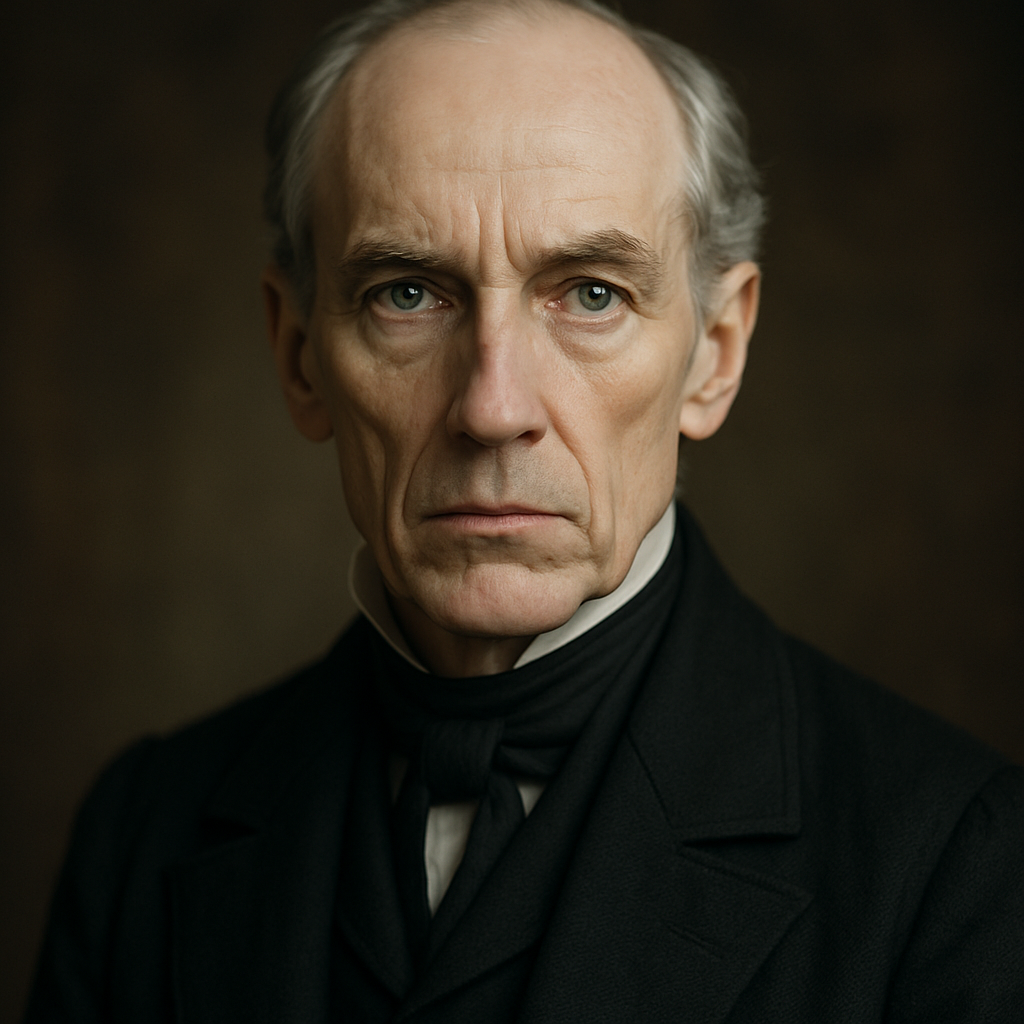
Will Ladislaw is a young, restless artist and political ally of Mr. Brooke who appears first as Mr. Casaubon’s cousin sketching at Lowick and later becomes a catalyst in the town’s moral and social life. He wants independence, meaningful work, and the freedom to live according to conscience rather than patronage. Will alternates between artistic pursuits and political engagement (editing or advising the 'Pioneer'), and he repeatedly returns to Dorothea—first as a sympathetic, intellectually curious guest in Rome and later as the object of a restrained, painful affection. He refuses Bulstrode’s money when it is offered to atone for a concealed family past, asserting moral pride. He is publicly attacked in gossip, briefly exiles himself, then returns to confront the tangled social consequences of friends’ scandals. Ultimately he marries Dorothea and channels his principles into public life, but much of his central drama in the chapters lies in his integrity in the face of slander, his tenderness toward Dorothea, and his impatience with provincial limitations.
In the book: An idealistic, artistic outsider in Middlemarch society, Will Ladislaw becomes a catalyst for change through his independence, liberal politics, and restless pursuit of meaningful work. He serves as a foil to more rigid, scholarly characters, challenges social and class expectations, and forges emotionally significant connections that test the town’s conventions and loyalties.
Personality
- Idealistic
- He argues for practical reform with Mr. Brooke and later refuses Bulstrode’s offer, insisting he will not accept ill-gotten money (Chapters 46, 61).
- Artistic
- He is introduced sketching by an ancient yew at Lowick and visits Naumann’s studio, debating painting’s power and arranging sittings with Dorothea (Chapters 9, 22).
- Independent
- When Casaubon attempts to veto his presence near Lowick, Will stoutly rejects being controlled by past benefaction and resolves to support himself (Chapter 37).
- Sensitive
- He reacts with visible distress to rumors linking him with Casaubon’s codicil, and later weeps inwardly over the impossibility of social union with Dorothea (Chapters 51, 62).
- Courageous
- He returns to Middlemarch despite scandal, confronts Rosamond about her intimacy with Dorothea, and speaks bluntly about honor and insult (Chapters 78, 82).
Character arc
Will first appears as a free-spirited, amiable cousin and artist whose travel and vagabonding temperament mark him as an outsider. In Rome his fluent sympathy and aesthetic talk draw him close to Dorothea, but Casaubon’s reserve and later his forbidding letter create distance that Will meets with prideful self-reliance: he resolves to earn his own living and not be a charity. Back in Middlemarch he channels energy into politics alongside Mr. Brooke and becomes publicly known, which exposes him to assault in gossip and to the moral entanglements of Bulstrode’s past. Offered money as reparation, he refuses it, asserting independence and moral consistency; the town’s suspicions then drive him into brief exile. His final returns are fraught—he faces humiliation, confronts Rosamond’s betrayal, and sustains Dorothea’s regard. By the finale, the chapters show him transformed from romantic, itinerant artist into a man who binds personal affection to public purpose: he marries Dorothea and moves toward parliamentary and reforming work, having preserved personal honor amid social scandal.
Relationships
- Dorothea Brooke A tender, mutually affectionate bond that becomes the novel’s central emotional conflict; they love each other but are constrained by social obstacles and a codicil.
- Edward Casaubon Cousin by relation and an intellectual antagonist whose cold forbidding and marriage to Dorothea limit Will’s access and inflame Casaubon’s jealousy.
- Mr. Brooke Political ally and patron figure who promotes Will’s involvement with the 'Pioneer' and encourages his public engagement.
- Nicholas Bulstrode A fraught connection: Bulstrode reveals a family tie and offers Will money to silence scandal, which Will refuses, intensifying moral conflict.
- Rosamond Vincy An adulterous, painful encounter: Rosamond’s intimacy with Will prompts a fierce rebuke and deepens social complications that wound him and others.
- Tertius Lydgate A cautious, sometimes tense friendship—Lydgate shares professional burdens with Will, and the two discuss honor, scandal, and mutual frustrations.
Quotes by Will Ladislaw
“Language gives a fuller image, which is all the better for being vague. After all, the true seeing is within; and painting stares at you with an insistent imperfection.”
Book 2, Chapter 19Ladislaw's argument that inward perception and language better capture a woman's changing life than painting does.
““I was not aware that you and Mr. Casaubon were in Rome, until this morning, when I saw you in the Vatican Museum,” he said.”
Chapter 21Will explains why he has come and begins the conversation that shows his interest in Dorothea and his relation to Casaubon.
“Certainly, I will promise you,”
Chapter 22Will agrees to Dorothea’s request not to speak disparagingly of Mr. Casaubon’s writings after their earnest conversation.
“"I really came for the chance of seeing you alone,"”
Chapter 37Will explains to Dorothea why he has come to Lowick and seeks the privacy to speak about things as in Rome.
“"DEAR MR. CASAUBON,—I have given all due consideration to your letter of yesterday, but I am unable to take precisely your view of our mutual position."”
Chapter 37Will answers Casaubon’s veto decisively, claiming the right to choose his own lawful occupation despite past obligations.
“I presume you know that Mr. Casaubon has forbidden me to go to his house.”
Chapter 39Will tells Dorothea the direct reason for his exclusion from Casaubon's house, which shocks and saddens her and clarifies why he will see her less.
Why Will Ladislaw matters
Will embodies the book’s tensions between conscience and convention, art and professionalism, and individual liberty versus social constraint. His refusal of compromised wealth, insistence on self-respect, and commitment to reformist politics dramatize Eliot’s concern with moral agency in a provincial society. Through his relation with Dorothea, the novel tests how personal ideals survive gossip, legal technicalities, and class prejudice; Will’s journey from artist-outsider to a politically engaged husband signals Eliot’s view that private fidelity and public vocation can combine to produce quiet, durable good in the world.
Chapters with Will Ladislaw
- Chapter 9
- Chapter 10
- Chapter 12
- Chapter 13
- Book 2, Chapter 19
- Chapter 20
- Chapter 21
- Chapter 22
- Chapter 27
- Chapter 28
- Chapter 29
- Chapter 30
- Chapter 31
- Chapter 34
- Chapter 37
- Chapter 38
- Chapter 39
- Chapter 42
- Chapter 43
- Book 5, Chapter 46
- Chapter 47
- Chapter 48
- Chapter 49
- Chapter 50
- Chapter 51
- Chapter 53
- Chapter 54
- Chapter 55
- Chapter 58
- Chapter 59
- Chapter 60
- Chapter 61
- Chapter 62
- Chapter 70
- Chapter 71
- Chapter 75
- Chapter 77
- Chapter 78
- Chapter 79
- Chapter 80
- Chapter 81
- Chapter 82
- Chapter 83
- Finale
More Middlemarch characters
 Dorothea BrookeProtagonist
 Tertius LydgateMajor character
 Mr. BrookeMajor character
 Sir James ChettamMajor character
 Rosamond VincyMajor character
 Nicholas BulstrodeMajor character
 Mr. VincyMajor character
 Camden FarebrotherMajor character
All chapter summaries ›Characters ›
Read Middlemarch illustrated
Every scene in these notes comes from the Book2Life reader, where the full public-domain text is illustrated as you read, with character portraits and narration. Free in your browser and on iPhone.
