
Mr. Brooke in Middlemarch
Major character
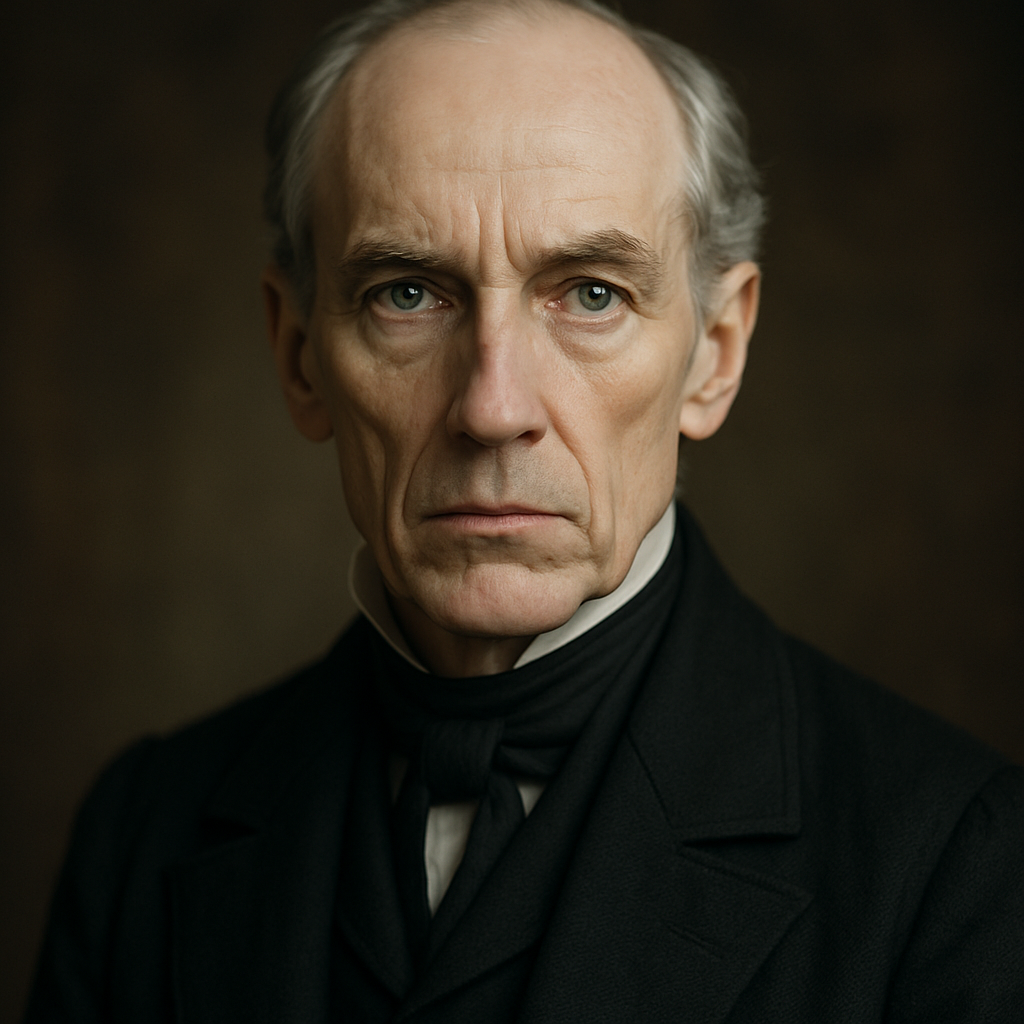
Good-natured, indecisive squire and uncle to Dorothea and Celia who mixes reforming enthusiasms with amiable vagueness.
Who is Mr. Brooke?
Mr. Brooke is the genial, comfortably off uncle and guardian of Dorothea and Celia Brooke at Tipton Grange. He enjoys talking about improvements, politics, and hobby-horses, and moves easily among Middlemarch society. He gives Dorothea and Celia financial security and social position, and his home is the setting for early courtships and local gatherings. Mr. Brooke supports Dorothea’s marriage to Casaubon by giving his permission and awkwardly manages the town’s gossip about that match. He later becomes involved in local politics and the proposed 'Pioneer' paper, hosting Will Ladislaw and trying to reconcile reformist zeal with electoral caution. Brooke often attempts practical counsels (about cottages, fishing, or fisheries of small reforms) but tends toward indecision when social pressure mounts; he prefers conciliatory, gentle solutions and frequently delays punitive or drastic measures. Through his comic, affectionate interventions he connects characters, influences minor plot turns, and supplies a model of muddled liberal paternalism in the provincial world.
In the book: Mr. Brooke is Dorothea and Celia Brooke’s well-meaning but dithering uncle and guardian, a comfortably off landowner whose amiable vagueness, hobbyhorses, and half-formed “improving” notions provide both comic lightness and social texture to the world of Middlemarch. He connects major characters and settings, nudging plots into motion while exemplifying the era’s muddled liberal paternalism without driving the central tragedies.
Personality
- Amiable
- He chatters cheerfully at the Grange dinner and reads the paper with good humor even when criticized (Chapters 2, 38).
- Indecisive
- He hesitates over how to respond to Sir James’s outrage about Dorothea’s marriage and proposes mild postponement rather than forceful action (Chapter 49).
- Reform-minded
- He speaks eagerly about estate improvements, cottage plans, and later about standing for Parliament and supporting a reformist paper (Chapters 3, 39, 46).
- Garrulous
- He fills conversations with anecdotes about agricultural chemistry, voyages, and hobby-objects, interrupting more serious exchanges (Chapters 2, 7).
- Connivingly protective
- He argues against drastic measures toward Will Ladislaw and counsels milder responses to scandal, balancing protection of Dorothea and political calculation (Chapters 49, 51).
Character arc
Mr. Brooke appears first as the easy-going guardian whose talkativeness and good nature frame the household at Tipton Grange. Early on he presides over social gatherings, supplies permission for Dorothea’s engagement to Casaubon, and offers well-meaning but lightweight practical advice about study and diversion. As complications arise—Casaubon’s illness, Will Ladislaw’s presence, and the social scandal after Casaubon’s death—Brooke shifts into a more political, managerial role: he entertains Ladislaw, contemplates a parliamentary candidacy, and becomes involved with the 'Pioneer'. Yet his core tendencies remain stable: he prefers moderation to strong measures, dithers when urged to decisive action (for example over Ladislaw’s exclusion), and tries to smooth conflicts by persuasion rather than force. By the end he retreats from aggressive campaigning after public mockery but continues to influence outcomes through genteel mediation, ultimately helping reconcile Dorothea and Will. His development is less a transformation than a gradual increase in public engagement while retaining the same genial irresoluteness that characterizes his private life.
Relationships
- Dorothea Brooke His niece and future heiress; he is her guardian, encourages her intentions, and nervously manages her marriages and social fate.
- Celia Brooke His other niece and household companion; he shares domestic talk and mild counsel with her and helps manage family matters.
- Edward Casaubon Suitor and later husband of Dorothea whose courtship and illness Brooke observes and for whom Brooke supplies welcome and permission.
- Will Ladislaw Young reformer whom Brooke hosts and promotes as an ally for the 'Pioneer' and whose presence he defends pragmatically against local hostility.
- Sir James Chettam Neighbor and critic who pressures Brooke over estate improvements and Dorothea’s choices; Brooke negotiates between Sir James’s indignation and milder courses.
- Tertius Lydgate Medical friend and public figure Brooke discusses hospital and reform matters with, participating in debates where Brooke takes a conciliatory civic stance.
Quotes by Mr. Brooke
““There is not too much hurry, my dear. Think about it, you know.””
Book 1, Chapter 4Mr. Brooke gently counsels deliberation after revealing Casaubon’s intention, blending his easy manner with practical advice about marriage.
“I expect you to be all that an exquisite young lady can be in every possible relation of life.”
Chapter 7Casaubon tells Dorothea what he expects of her, signaling his conventional, idealized view of a wife and the limits of his emotional intensity.
“Dorothea is learning to read the characters simply," said Mr. Casaubon, evading the question.”
Chapter 7Casaubon downplays Dorothea's studies when Mr. Brooke expresses doubt, showing his cautious, scholarly manner and the social pressure against women’s deep learning.
“For anything I can tell, Miss Brooke may be happier with him than she would be with any other man.”
Chapter 8Cadwallader resists intervening and offers a calm, pragmatic defense of Casaubon and Dorothea's freedom to choose.
“He has a thirst for travelling; perhaps he may turn out a Bruce or a Mungo Park," said Mr. Brooke.”
Chapter 9Mr. Brooke jokes about Will Ladislaw’s inclination for travel, highlighting differing views of usefulness and ambition.
“I shall rejoice to furnish your zeal with fuller opportunities,” Mr. Bulstrode answered; “I mean, by confiding to you the superintendence of my new hospital, should a maturer knowledge favor that issue, for I am determined that so great an object shall not be shackled by our two physicians.”
Chapter 13Bulstrode offers Lydgate a significant role in the proposed new hospital, revealing his patronage and the importance he places on reform.
Why Mr. Brooke matters
Mr. Brooke embodies the provincial liberal gentleman whose good intentions and rhetorical reformism lack steady courage. He provides social linkage—bringing together landlord, clergy, young reformers, and kin—and thereby exposes how middling power, conversation, and indecision shape outcomes. Through him the novel explores the gap between high-minded ideals and the ambivalence of everyday action: his cautious pragmatism, comic evasions, and occasional political engagement show how small-scale sympathies and timid compromises sustain or frustrate larger reforms. He thus helps dramatize Middlemarch’s theme that moral weight often rests in modest, inconsistent characters rather than in grand heroes.
Chapters with Mr. Brooke
- Chapter 1
- Chapter 2
- Chapter 3
- Book 1, Chapter 4
- Chapter 5
- Chapter 6
- Chapter 7
- Chapter 8
- Chapter 9
- Chapter 10
- Chapter 12
- Chapter 13
- Chapter 18
- Chapter 27
- Chapter 28
- Chapter 29
- Chapter 30
- Chapter 31
- Chapter 34
- Chapter 37
- Chapter 38
- Chapter 39
- Chapter 40
- Book 5, Chapter 45
- Book 5, Chapter 46
- Chapter 47
- Chapter 49
- Chapter 50
- Chapter 51
- Chapter 54
- Chapter 58
- Chapter 62
- Chapter 70
- Chapter 71
- Chapter 72
- Chapter 77
- Chapter 81
- Chapter 84
- Finale
More Middlemarch characters
 Dorothea BrookeProtagonist
 Tertius LydgateMajor character
 Will LadislawMajor character
 Sir James ChettamMajor character
 Rosamond VincyMajor character
 Nicholas BulstrodeMajor character
 Mr. VincyMajor character
 Camden FarebrotherMajor character
All chapter summaries ›Characters ›
Read Middlemarch illustrated
Every scene in these notes comes from the Book2Life reader, where the full public-domain text is illustrated as you read, with character portraits and narration. Free in your browser and on iPhone.
