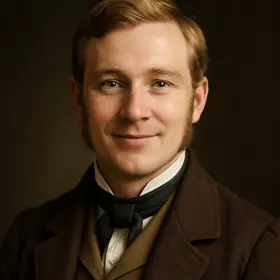
Sir James Chettam in Middlemarch
Major character
A steady, practical country gentleman; earnest suitor turned brother‑in‑law and a social anchor in Middlemarch.
Who is Sir James Chettam?
Sir James Chettam is a respectable, conscientious squire whose plain good sense and civic energy mark him as a typical local gentleman. Early in the story he courts Dorothea Brooke — offering practical favors like a riding-horse and presenting gifts — but he is mortified when she becomes engaged to Edward Casaubon. He quietly nurses disappointment yet remains civil and helpful, proposing improvements to estates and pressing for better management. Sir James worries about propriety and reputation: he consults the Rector about Casaubon’s suitability for Dorothea, debates Mr. Brooke’s politics with neighbors, and urges measures to protect Dorothea after Casaubon’s death, including sending her to Freshitt and seeking to keep Will Ladislaw away. He recommends Caleb Garth for estate agency and shows steady participation in local affairs (funerals, debates over reform, sanitary board controversies). Throughout, Sir James acts from a desire to preserve decorum and shield the women he cares for, moving from frustrated suitor to a conservative guardian figure within the community.
In the book: Sir James Chettam is Dorothea Brooke’s earnest, generous suitor and a steady country gentleman whose practical kindness and conventional good sense contrast with the loftier ideals and ambitions that preoccupy others in Middlemarch. He serves as a reliable foil and social anchor, and his considerate choices quietly influence the fates of those around him without dominating the story.
Personality
- Practical
- He offers Dorothea a trained riding-horse and later recommends Caleb Garth to manage estate improvements and better farm practices (Chapter 2; Chapter 40).
- Earnest
- He pursues Dorothea sincerely, reacts with mortification at her engagement to Casaubon, and rides fast to compose himself before calling at Tipton Grange (Chapter 6).
- Protective
- After Casaubon’s death he insists Dorothea be kept from business, sent to Freshitt, and seeks to have Will Ladislaw removed from the neighborhood to avoid scandal (Chapter 49).
- Conventional
- He expresses hot indignation at Dorothea’s intended marriage to Will Ladislaw and worries about social degradation and family propriety (Chapter 84).
- Civic-minded
- He debates Mr. Brooke’s politics, suggests visible estate repairs and improved management, and participates in local strategy meetings about the 'Pioneer' controversy (Chapter 38).
Character arc
Sir James first appears as a hopeful, somewhat bashful suitor to Dorothea, offering gifts and practical help while admiring her seriousness. Her engagement to Casaubon bruises his pride, and he responds with a mix of mortified hurt and renewed public service: he presses local clergy to intervene, rides quickly to gather his composure, and channels disappointment into constructive concern for village improvement. He grows into a conservative protector who prioritizes social order and reputation; after Casaubon’s death he shifts from private suitor to an active guardian, insisting Dorothea be sheltered at Freshitt and seeking to curb the influence of Will Ladislaw. He also exerts local influence by proposing estate reforms and recommending Caleb Garth for agency, revealing a consistent preference for steady, practical solutions. By the time of Dorothea’s second marriage his indignation at her choice shows his reluctance to accept personal reversals, though he remains engaged in family and civic life, ultimately functioning as a social anchor even when his private desires go unmet.
Relationships
- Dorothea Brooke He is an earnest suitor turned concerned friend and guardian, anxious to protect her reputation and wellbeing after Casaubon’s death.
- Celia Brooke He becomes engaged to Celia and finds comfort in their conventional match, which contrasts with Dorothea’s idealism.
- Mr. Brooke He debates Mr. Brooke’s political actions and seeks his counsel in town matters, sometimes pressing Brooke toward estate improvements.
- Caleb Garth He appoints Caleb to manage Freshitt estates, trusting Garth’s practical competence for agricultural improvement.
- Will Ladislaw He regards Ladislaw with suspicion and hostility, wanting him kept away from Dorothea to avoid scandal.
- Mr. Cadwallader He consults the Rector about Dorothea’s match with Casaubon and seeks moral and pastoral guidance for local interventions.
Quotes by Sir James Chettam
““I am reading the Agricultural Chemistry,” said this excellent baronet, “because I am going to take one of the farms into my own hands, and see if something cannot be done in setting a good pattern of farming among my tenants. Do you approve of that, Miss Brooke?””
Chapter 2Shows Sir James’s practical ambitions and serves as his opening to court Dorothea through useful improvements.
“She is too young to know what she likes.”
Chapter 8Sir James asserts his main objection to Dorothea's engagement: he believes her youth makes her choice unreliable.
““I do wish people would behave like gentlemen,””
Chapter 38Sir James voices a conservative ideal of conduct while revealing his discomfort about confronting Brooke directly over politics and management.
“I wish to God we could hinder Dorothea from knowing this," said Sir James Chettam, with a little frown on his brow, and an expression of intense disgust about his mouth.”
Chapter 49Sir James opens the discussion by urging that Dorothea be kept ignorant of the codicil to protect her reputation.
“It would have been less indelicate.”
Chapter 49Sir James reacts to Mr. Brooke’s remark about a harsher restriction in Casaubon’s codicil, emphasizing his sensitivity to propriety.
“I think that Dorothea commits a wrong action in marrying Ladislaw.”
Chapter 84Sir James declares moral condemnation of Dorothea’s intended marriage, revealing his anger and sense of family honor.
Why Sir James Chettam matters
Sir James embodies Middlemarch’s conservative, community‑oriented values: steadiness, local responsibility, and a preference for practical reforms over grand ideals. As a foil to Dorothea’s romantic aspirations and Casaubon’s scholarly isolation, Sir James represents the provincial virtues of decorum, tangible improvement, and social protection. His anxieties about reputation and his protective measures after Casaubon’s death highlight the novel’s concerns with public opinion, gendered vulnerability, and the limits of individual idealism within a tightly woven social world.
Chapters with Sir James Chettam
- Chapter 1
- Chapter 2
- Chapter 3
- Book 1, Chapter 4
- Chapter 5
- Chapter 6
- Chapter 7
- Chapter 8
- Chapter 10
- Chapter 12
- Chapter 13
- Chapter 23
- Chapter 27
- Chapter 28
- Chapter 29
- Chapter 31
- Chapter 34
- Chapter 37
- Chapter 38
- Chapter 39
- Chapter 40
- Chapter 49
- Chapter 50
- Chapter 54
- Chapter 55
- Chapter 56
- Chapter 58
- Chapter 62
- Chapter 67
- Chapter 70
- Chapter 71
- Chapter 72
- Chapter 76
- Chapter 77
- Chapter 81
- Chapter 84
- Finale
More Middlemarch characters
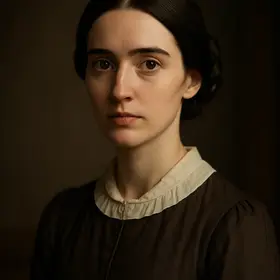 Dorothea BrookeProtagonist
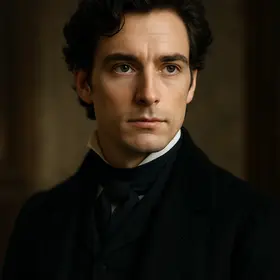 Tertius LydgateMajor character
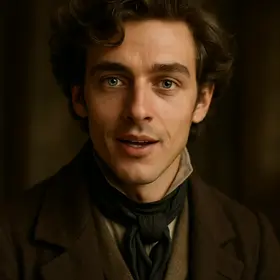 Will LadislawMajor character
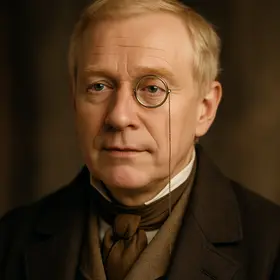 Mr. BrookeMajor character
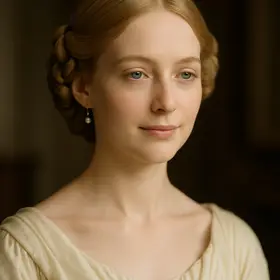 Rosamond VincyMajor character
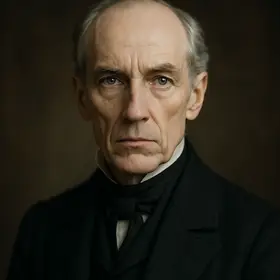 Nicholas BulstrodeMajor character
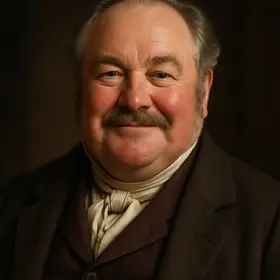 Mr. VincyMajor character
 Camden FarebrotherMajor character
All chapter summaries ›Characters ›
Read Middlemarch illustrated
Every scene in these notes comes from the Book2Life reader, where the full public-domain text is illustrated as you read, with character portraits and narration. Free in your browser and on iPhone.
