Comte de la Fère in Twenty Years After
Protagonist
A noble, stoic former musketeer (Athos) who protects Raoul and returns to action to defend Charles I and his friends.
Who is Comte de la Fère?
The Comte de la Fère (Athos) appears as a composed, honorable former musketeer who quietly guides and protects the younger Raoul de Bragelonne and reunites with his old comrades to act on high-risk loyalties. He brings Raoul to Paris seeking patronage and then repeatedly places duty above personal safety: he joins daring military and clandestine operations, intervenes to stop a roadside ambush, helps orchestrate rescue and escape plans for Charles I, and accepts imprisonment rather than abandon his commitments. Athos balances paternal tenderness toward Raoul with strategic decisiveness among the musketeers. He insists on keeping promises (notably toward the queen’s request to defend Charles), counsels caution or resolute action as situations demand, and quietly coordinates with allies like Aramis and Grimaud. Across the episodes recorded, he is a steady anchor for other characters, catalyzing reunions, providing horses and shelter after skirmishes, and taking hands-on roles—burrowing beneath the king’s chamber to enable escape, confronting Mazarin when confined, and escaping with his friends when the chance appears.
Personality
- Honor-bound
- In the council in the wood, he refuses D'Artagnan's proposal to flee because he and Aramis have pledged to defend King Charles (Chapter 59).
- Stoic
- He greets danger calmly, arriving to intercede in the violent rencontre and freeing D'Artagnan and Porthos with composed authority (Chapter 26).
- Paternal
- He reveals to Madame de Chevreuse that he raised Raoul from infancy and brings the youth to Paris to secure patronage for him (Chapter 20).
- Resourceful
- He helps bore the trap-door under Charles I's chamber and coordinates the physical elements of the king's proposed escape (Chapter 65).
- Resolute
- When arrested and placed at Rueil, he keeps a measured demeanor and uses the situation to plan with his friends rather than despair (Chapter 82).
Character arc
Athos appears as a reserved guardian and seasoned soldier who balances private tenderness with public courage. Early on he acts as protector and arranger: he brings Raoul to Paris for advancement, intervenes in an armed ambush to assert old loyalties, and provides material help (horses, safe haven) after skirmishes. When the crisis around Charles I escalates, Athos moves from protector of a ward to active conspirator: he undertakes dangerous physical labor beneath the king’s chamber to create an escape route and stands firm in counsel when others urge retreat. He accepts capture rather than compromise his duties and, even imprisoned, remains strategically minded—using opportunities to reunite with comrades and confront Mazarin. By the last recorded scenes, he shifts from covert operator to participant in a bold escape, collaborating directly with D'Artagnan and Porthos to outwit their captor. His core convictions—duty, loyalty, and honor—do not change, but his role intensifies from quiet guardian to frontline actor who accepts personal danger to fulfill promises and protect those he loves.
Relationships
- Raoul de Bragelonne Athos is Raoul's guardian and adoptive father figure who raised him from infancy and seeks patrons for his future (Chapter 20).
- Aramis Athos is Aramis's comrade and co-conspirator; they share the pledge to defend Charles I and coordinate dangerous plans together (Chapters 59, 65).
- D'Artagnan An old friend and fellow musketeer with whom Athos reunites and plans escapes and confrontations, trusting D'Artagnan's daring (Chapters 26, 86).
- Porthos A longtime comrade who fights beside Athos in battle and in prison plots, sharing both camaraderie and practical action (Chapters 12, 86).
- Grimaud A loyal servant and agent who carries urgent warnings to Athos and executes dangerous errands on his behalf (Chapters 33, 26).
- Cardinal Mazarin Mazarin becomes Athos's captor and antagonist in confinement discussions, forcing Athos into tense negotiations and eventual escape (Chapters 82, 86).
Quotes by Comte de la Fère
“I once bore another, which you knew, but you have certainly forgotten it.”
Chapter 20Athos gently prompts Madame de Chevreuse to remember his earlier name and past association with the musketeers.
“Formerly," said the count, "I was Athos.”
Chapter 20Athos openly reveals his old identity to the duchess, triggering recognition and recollection of shared history.
Why Comte de la Fère matters
Athos embodies central themes of honor, loyalty, and the tension between private duty and public politics. Through his actions—raising Raoul, defending a king at grave personal risk, and confronting captivity—he models a moral code that values promises and friendship over personal safety or political expedience. His steadiness anchors the group dynamic and highlights the musketeers' recurring theme: that personal bonds and honor can motivate resistance against overwhelming power. Athos's refusal to abandon obligations also dramatizes the era's conflict between individual conscience and statecraft, making him a moral touchstone in the novel's exploration of loyalty and sacrifice.
Chapters with Comte de la Fère
More Twenty Years After characters
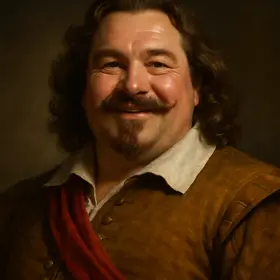 PorthosMajor character
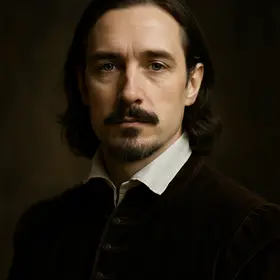 AthosMajor character
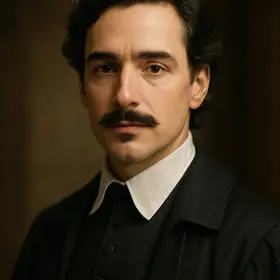 AramisMajor character
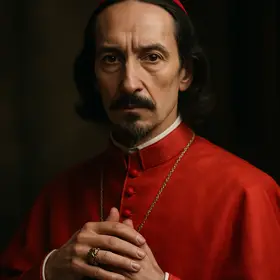 Cardinal MazarinAntagonist
 GrimaudMajor character
 MordauntAntagonist
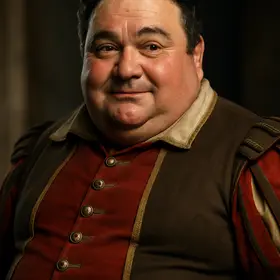 MousquetonMinor character
 PlanchetMajor character
All chapter summaries ›Characters ›
Read Twenty Years After illustrated
Every scene in these notes comes from the Book2Life reader, where the full public-domain text is illustrated as you read, with character portraits and narration. Free in your browser and on iPhone.
