D’Artagnan in Twenty Years After
Protagonist
Seasoned musketeer who reunites his comrades, serving crown and friends with daring, cunning, and pragmatic loyalty.
Who is D’Artagnan?
D'Artagnan returns to Paris in middle age as a skilled and pragmatic musketeer who becomes the engine of action. He wants to protect the king and queen when possible, regain his old comradeship with Athos, Porthos, and Aramis, and secure personal advancement. Across the novel he fetches friends at Mazarin's request, tracks and reunites Porthos and Athos, negotiates with Cardinal Mazarin and Anne of Austria, masterminds risky escapes and ruses (notably escorting the queen and Mazarin from Paris and participating in plans to rescue Charles I), and adapts rapidly to shifting political dangers during the Fronde. He alternates duty to the crown with devotion to his friends, juggling secret missions for Mazarin and the queen while responding to Athos's moral appeals. Throughout, D'Artagnan mixes courage, improvisation, and financial savvy (the straw-selling episode) to keep himself and his comrades operational, and his practical boldness repeatedly resolves crises created by public riots, conspiracy, or personal vendettas.
Personality
- Resourceful
- Chapter 52: he improvises a disguise as the coadjutor’s coachman and drives the royal carriage out past the gates to save the queen and the child.
- Loyal
- Chapter 28: he swears the Place Royale oath with Athos, Porthos, and Aramis to preserve their personal fraternity above political differences.
- Pragmatic
- Chapter 53: he and Porthos buy and resell straw at Saint-Germain to solve a practical supply problem and make quick profit.
- Bold
- Chapter 51: he accepts Mazarin’s dangerous night escort, reclaims the cardinal’s diamond, and organizes the party’s covert travel.
- Cunning
- Chapter 86: he uses Mazarin’s own hidden stair and the cardinal’s key to force an escape plan and recover horses for flight.
Character arc
D'Artagnan begins the novel as an experienced but somewhat isolated officer who still seeks promotion and the old fellowship. Early chapters show him willing to serve Mazarin for pay and advancement (Chapter 5), yet he immediately sets about finding and restoring his comrades (Chapters 6–16). Reunions at the Place Royale and the Hermitage rekindle bonds and test loyalties; D'Artagnan negotiates the tension between service to ministers and personal fidelity (Chapters 27–35). He repeatedly shifts roles: dutiful agent of the crown (escorting the queen and Mazarin in Chapters 50–53), daring conspirator in rescue plots (the England operations and the Whitehall plans, Chapters 54–66), and pragmatic survivor (straw scheme, selling—or profiting from—opportunity in Chapter 53). By the end he remains essentially the same in temperament—bold, clever, loyal—but hardened by recent trauma: he has seen friends detained, the king executed, and Mordaunt’s threat realized. The final chapters show D'Artagnan reconciled to divided paths: he accepts new military campaigns and the uncertainties of the future while preserving his private refuge and maintaining the fraternal oath with his friends (Chapter 90).
Relationships
- Athos Old comrade and moral counterweight whose paternal care for Raoul and grave judgment repeatedly challenges and guides d'Artagnan.
- Porthos Boisterous friend and co-conspirator who shares danger, profit-making schemes, and battlefield loyalty with d'Artagnan.
- Aramis Friend and political intriguer whose secrecy provokes d'Artagnan’s suspicion but whose loyalty returns in crisis.
- Planchet Faithful servant and source of street intelligence who helps d'Artagnan trace allies and organize local action.
- Cardinal Mazarin Ambiguous patron and antagonist whose requests thrust d'Artagnan into delicate missions that test his conscience.
- Raoul de Bragelonne Young charge of Athos whom d'Artagnan is asked to escort and protect, linking him to the next generation.
Quotes by D’Artagnan
“Well, my friend, I am come to give you this very title which you wish for so much.”
Chapter 11D’Artagnan reveals he can secure the noble title Porthos craves, which persuades Porthos to join Mazarin's cause.
“Order of the king, I tell you. Read and answer, or I will blow out your brains!”
Chapter 25D’Artagnan forces the sergeant to reveal the fugitives’ route by presenting a royal order and cocking a pistol.
“I buy those horses,”
Chapter 25At the hunting-house D’Artagnan announces he will take the fresh horses, initiating the seizure when the groom refuses to sell.
“We are out on the king’s service.”
Chapter 25D’Artagnan justifies seizing the horses by framing the theft as necessary service to the king.
“My dear Count,—When one travels, and especially for three months, one never has a superfluity of money.”
Chapter 42D'Artagnan sends fifty louis to Athos and Aramis for their journey, showing continued friendship despite political differences.
“So it is agreed, and if Porthos makes no objection——”
Chapter 59D’Artagnan yields to the group's resolve and helps complete the decision to stay, just before they turn their thoughts to dinner.
Why D’Artagnan matters
D'Artagnan embodies the novel’s tensions between personal loyalty and public duty. His pragmatic courage and improvisational intelligence allow him to move between courts, battlefields, and conspiracies, illustrating how individuals navigate shifting political loyalties. By insisting on the musketeers’ private oath at the Place Royale and repeatedly acting to save friends and sovereigns, he dramatizes the book’s central concerns—honor, fraternity, and the moral costs of political service. His mixture of worldly ambition and heartfelt fidelity makes him the moral and narrative fulcrum that binds episodic political events into a human story about allegiance and sacrifice.
Chapters with D’Artagnan
More Twenty Years After characters
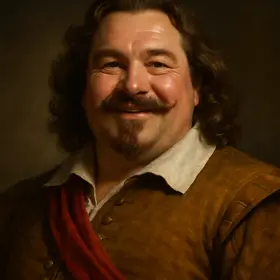 PorthosMajor character
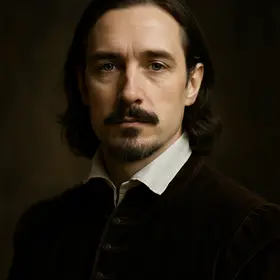 AthosMajor character
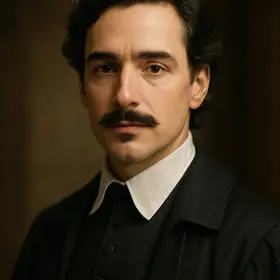 AramisMajor character
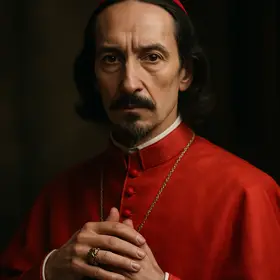 Cardinal MazarinAntagonist
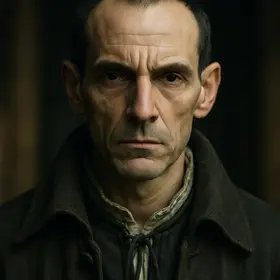 GrimaudMajor character
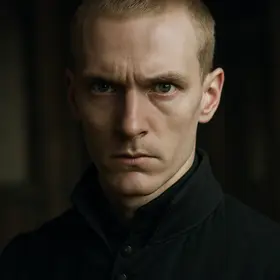 MordauntAntagonist
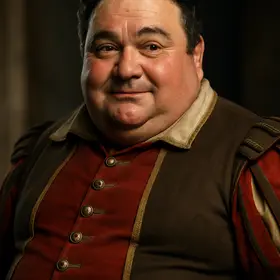 MousquetonMinor character
 PlanchetMajor character
All chapter summaries ›Characters ›
Read Twenty Years After illustrated
Every scene in these notes comes from the Book2Life reader, where the full public-domain text is illustrated as you read, with character portraits and narration. Free in your browser and on iPhone.
