
Louis XIV in Twenty Years After
Major character
Youthful monarch whose person and safety symbolize royal authority during the Fronde and shape court decisions.
Who is Louis XIV?
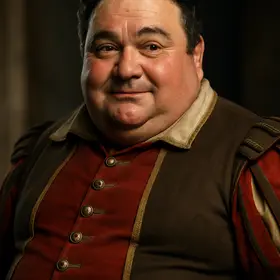
Louis XIV appears as the ten-year-old king under his mother Anne of Austria’s regency and Cardinal Mazarin’s influence. He performs ceremonial duties—confirming edicts and attending Te Deums—while his actual power is limited; his very presence nonetheless anchors political loyalty and fear. The street unrest, arrests, and plots repeatedly revolve around protecting or exposing the royal person: crowds swell at Notre Dame when he appears, his bed and identity are used as a civic test during a palace escape, and the court’s departures and returns are staged around him. Officials and factions make choices—flight, disguise, negotiation—based on what his safety and image require. Louis rarely drives action directly; instead he functions as the endangered emblem whose welfare compels actors such as Mazarin, Anne, d'Artagnan, and the Fronde leaders to maneuver, fight, or bargain to preserve monarchy and order.
In the book: Louis XIV appears as the youthful monarch during the turbulence of the Fronde, formally king but still under the regency of his mother and the influence of Mazarin. In the story, he serves as the living emblem of royal authority whose safety, image, and future galvanize the musketeers’ loyalties and the court’s intrigues, shaping choices made by both heroes and rivals without dominating the narrative himself.
Personality
- Ceremonial
- As a ten-year-old he makes a formal appearance at Notre Dame and confirms edicts that spark public reaction (Chapter 1).
- Symbolic
- The crowd demands to see the sleeping child to be reassured of the king’s presence during the palace escape ruse (Chapter 52).
- Vulnerable
- His youth and dependence on guardianship are clear when Mazarin and the queen plan covert departures to ensure his safety (Chapters 51–52).
- Object of loyalty
- D'Artagnan and the musketeers risk life and craft daring escapes and defenses specifically to protect the king and queen (Chapters 51–52, 89).
Character arc
Louis XIV’s role is consistent rather than transformational: he enters as the young, ceremonially omnipresent but politically constrained monarch and leaves the narrative still young but at the center of restored royal ritual and public attention. At first his appearances incite unrest—his confirmation of edicts in public catalyzes cries against Mazarin (Chapter 1). Throughout the episodes of flight, riot, and negotiated peace he rarely acts on his own; others move to shield or to exploit him. The palace escapes and return processions emphasize that his person is what must be preserved to uphold legitimacy, so the plotlines that focus on rescue, disguise, and military escort culminate in his return of the royal cortège to Paris and attendance at sacred ceremonies (Chapters 51–52, 89). By the end he remains the emblem of monarchy: personally unchanged in agency but publicly reasserted as the focal point around which political stability and reconciliation are staged.
Relationships
- Anne of Austria His mother and regent, tender and protective, who arranges evidence of loyalty and urges his courtesy to Mazarin (Chapter 4).
- Cardinal Mazarin The cardinal wields political control in the king’s name and repeatedly plans the court’s movements to protect the young monarch (Chapters 1, 51).
- d'Artagnan A loyal musketeer whose ingenuity and courage execute the king’s and queen’s secret escapes and defend the royal person (Chapters 51–52, 89).
- Porthos A protector present during royal journeys and ceremonies who shares the duty of safeguarding the king (Chapters 51, 89).
- Broussel A popular magistrate whose arrest and restoration precipitate riots that threaten public order around the king (Chapters 1, 44).
- Raoul de Bragelonne A young noble whose involvement in public disturbances and later presence at court intersect with events affecting the king’s safety (Chapters 21, 44).
Quotes by Louis XIV
“Ah, gentlemen of the parliament, we shall see what you will say now!”
Chapter 44The king exults upon hearing of the victory of Lens, signaling the victory's political weight against parliamentary opposition.
Why Louis XIV matters
Louis XIV functions as the narrative’s embodiment of legitimate monarchy: his presence forces characters to choose between order and rebellion, personal loyalty and political expediency. Because he is young and dependent, the book explores how institutions and personalities—regent, cardinal, musketeers, and popular leaders—sustain or endanger sovereign authority. The repeated plots to protect, display, or use him dramatize themes of appearance versus power, the fragility of rule based on personhood, and the social cost of preserving an image of stability amid factional conflict.
Chapters with Louis XIV
More Twenty Years After characters
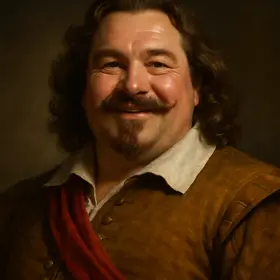 PorthosMajor character
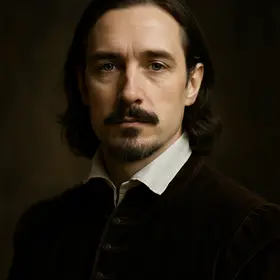 AthosMajor character
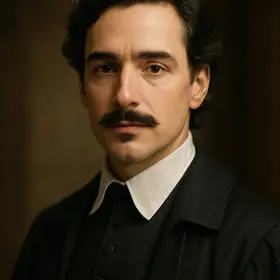 AramisMajor character
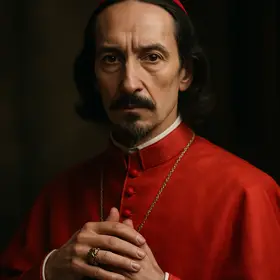 Cardinal MazarinAntagonist
 GrimaudMajor character
 MordauntAntagonist
 MousquetonMinor character
 PlanchetMajor character
All chapter summaries ›Characters ›
Read Twenty Years After illustrated
Every scene in these notes comes from the Book2Life reader, where the full public-domain text is illustrated as you read, with character portraits and narration. Free in your browser and on iPhone.
