Mose in Uncle Tom's Cabin
Minor character
A young child in Uncle Tom’s household, one of Aunt Chloe and Tom’s lively children, often tumbling about during domestic scenes.
Who is Mose?
Mose appears as one of the small children in Uncle Tom’s cabin, a presence in the household’s warm domestic life. He plays and tumbles with his sibling Pete during the evening meeting and at meals, giving the cabin scenes a sense of ordinary family bustle. Mose does not drive plot actions but marks what is at stake when Tom is sold: his playful life is disrupted by the enforced absence of his father. Later, Tom treasures letters from George Shelby describing Mose as thriving, a detail that comforts Tom in exile by assuring him his family carries on. Mose’s role is largely emblematic and atmospheric: he embodies childhood, continuity, and the intimate human cost of the slave trade as a small figure whose wellbeing depends on the decisions of others.
Personality
- Playful
- In the evening meal scene Aunt Chloe scolds and teases Mose and Pete as they tumble about, showing his lively, childish behavior.
- Innocent
- Mose appears only in domestic moments and is described through simple activities, underscoring his uncomprehending childhood.
- Dependent
- When Tom is sold, the household’s grief and Mrs. Shelby’s promise to watch over Tom implicitly highlight Mose’s vulnerability and reliance on adults’ protection.
- Comforting symbol
- George Shelby’s later letter reports that Mose is thriving, a detail that comforts Tom and connects him emotionally to home.
Character arc
Mose’s presence is steady but small-scale: he first appears as a lively child at the cabin’s evening gathering, contributing to the warm domestic tableau that frames Uncle Tom’s faith and leadership. The sudden business upstairs — the sale of Tom — reframes Mose’s position from carefree child to one of those affected by separation; though Mose himself does not act, the narrative uses him to measure loss. After Tom’s departure, references in correspondence reassure Tom that Mose grows and thrives in his absence; this brief forward glimpse serves not to show Mose’s interior change but to demonstrate continuity and recovery in the household. By the time Tom is consoled by letters from George Shelby, Mose functions as a touchstone for what Tom has left behind and for the hope that family life persists despite the rupture. Overall, Mose changes only in circumstances: the boy remains playful and innocent, but his situation becomes a symbol of interrupted childhood and of the possibility of resilience in those left at home.
Relationships
- Aunt Chloe Mose is one of Aunt Chloe’s children; she scolds, teases, and cares for him in the cabin scenes.
- Uncle Tom Mose is a child in Tom’s household and one of the family members whose wellbeing Tom worries over when he is sold.
- Pete Pete is Mose’s sibling and playmate, often tumbling with him around the cabin.
- George Shelby Mas’r George tutors and interacts with the family and later writes that Mose is thriving, offering Tom comfort from afar.
- Mrs. Shelby Mrs. Shelby visits and weeps with the family at Tom’s sale, taking an interest in the children left behind, including Mose.
Why Mose matters
Mose represents the domestic, human stakes of slavery: he is an emblem of childhood, family continuity, and vulnerability. His playful scenes underline the warmth of Tom’s household and make the rupture caused by the sale more personal. Later reports that Mose thrives function as a narrative balm, suggesting resilience and the possibility of care within the constrained world the characters occupy. As a minor figure, Mose helps the novel ground its moral appeal in the quotidian lives that slavery threatens.
Chapters with Mose
More Uncle Tom's Cabin characters
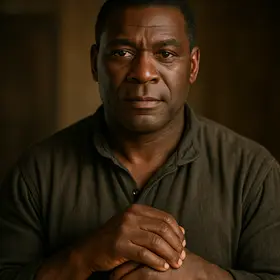 Uncle TomProtagonist
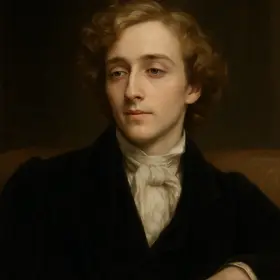 Augustine St. ClareMajor character
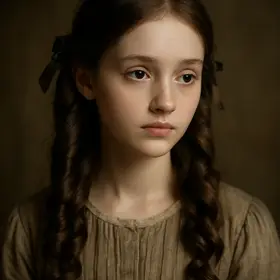 EmmelineMinor character
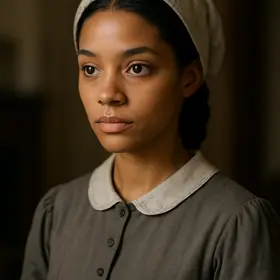 Eliza HarrisMajor character
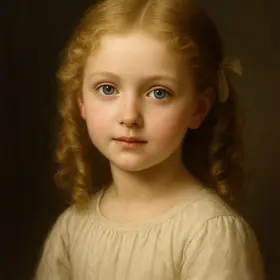 Little EvaMajor character
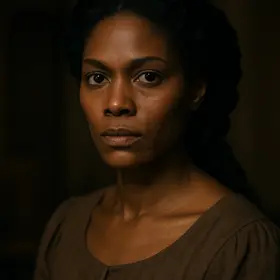 CassyMajor character
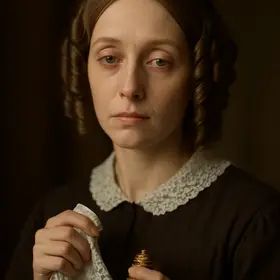 Marie St. ClareMajor character
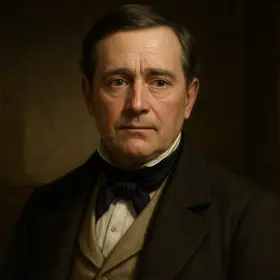 Mr. ShelbyMajor character
All chapter summaries ›Characters ›
Read Uncle Tom's Cabin illustrated
Every scene in these notes comes from the Book2Life reader, where the full public-domain text is illustrated as you read, with character portraits and narration. Free in your browser and on iPhone.
