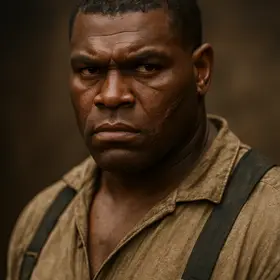
Quimbo in Uncle Tom's Cabin
Minor character
One of Simon Legree’s two principal drivers — a brutal, intimidatory enforcer who helps keep the slaves divided and submissive.
Who is Quimbo?
Quimbo is introduced as one of the chief drivers on Simon Legree’s plantation, charged with enforcing the master’s orders through intimidation and violence. He appears alongside Sambo as a looming threat when Tom and other captives arrive, participating in the spectacles of drunken revelry Legree stages to terrorize the household. Quimbo helps carry out Legree’s plan to “break” Uncle Tom, seizing and beating Tom alongside Sambo when ordered. He also takes part in the hunt for Cassy and Emmeline and generally performs the dirty work that keeps the plantation’s discipline in place. Yet Quimbo is not depicted as wholly irredeemable: after Legree’s savage beating of Tom, Quimbo shares a moment of remorse, helps wash Tom’s wounds, and is moved to tears by Tom’s testimony about Jesus. This emotional response suggests a complex figure shaped by brutality who is nevertheless susceptible to conscience and religious influence.
In the book: When we first meet Quimbo, he’s one of Simon Legree’s drivers—an enslaved man put in charge of enforcing the master’s orders. He moves through scenes like a looming threat, quick to intimidate and eager to prove his toughness alongside his fellow driver, Sambo.
Personality
- Intimidating
- He is introduced as one of Legree’s principal hands who moves through scenes as a looming threat, quick to intimidate the other enslaved people.
- Obedient enforcer
- Quimbo seizes and helps 'break in' Uncle Tom when Legree orders Tom punished for refusing to flog Lucy.
- Complicit
- He participates in the drunken revelry called by Legree to distract and dominate the household, performing as part of the terror apparatus.
- Remorseful
- After Tom is beaten nearly to death, Quimbo helps wash his wounds, fetches brandy, and is moved to tears by Tom’s words about Jesus.
Character arc
Quimbo enters the narrative as a hardened instrument of Legree’s power: a driver whose role is to intimidate, punish, and keep the enslaved people divided. In the early scenes he acts without visible hesitation, participating in the breaking-in of Tom and in the orchestrated noise and drunken spectacles Legree uses to dominate the household. His behavior aligns him with the plantation’s cruelty, and he functions as an extension of Legree’s will. However, the arc culminates in a quiet but significant reversal when Tom is brutally beaten and left for dead: Quimbo, along with Sambo, tends Tom’s wounds, shows visible remorse, and is moved by Tom’s testimony about Christ. That moment does not erase his earlier violence, but it introduces moral complexity and the possibility of conscience and spiritual awakening. Quimbo’s final posture is not heroic reform but softened complicity—an enforcer who is shaken and spiritually affected by Tom’s forgiveness, suggesting potential for inner change where before there was only brutality.
Relationships
- Simon Legree Quimbo serves as one of Legree’s two principal drivers, carrying out the master’s orders and participating in his spectacles of terror.
- Sambo Quimbo works closely with Sambo as the plantation’s chief drivers; they collaborate in the breaking of Tom and later jointly tend Tom’s wounds in remorse.
- Uncle Tom Quimbo helps seize and beat Tom under Legree’s orders but later assists in washing Tom’s wounds and is moved by Tom’s Christian witness.
- Cassy Quimbo is on the plantation where Cassy plots escape; he is part of the hunting force Legree sends after her, though Cassy later manipulates the situation.
- Emmeline Quimbo takes part in the pursuit and searches of the plantation when Emmeline escapes with Cassy, acting as an enforcer of Legree’s will.
Why Quimbo matters
Quimbo embodies how slavery corrodes human character by turning enslaved people into instruments of violence against one another; his initial cruelty illustrates the system’s divisive power. Yet his later remorse and emotional response to Tom’s faith register the novel’s persistent theme of moral and spiritual possibility. Through Quimbo, Stowe shows both the destructive effects of oppression and the capacity for conscience and redemption when confronted with Christian forgiveness, making him a small but thematically important figure in the book’s critique of slavery.
Chapters with Quimbo
More Uncle Tom's Cabin characters
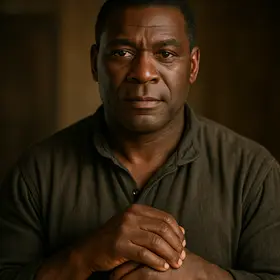 Uncle TomProtagonist
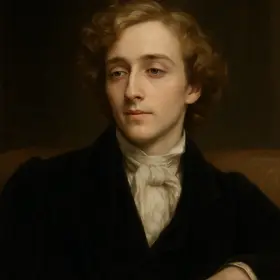 Augustine St. ClareMajor character
 EmmelineMinor character
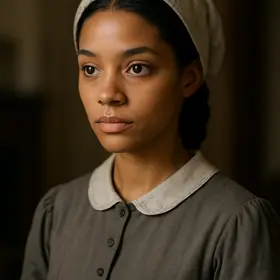 Eliza HarrisMajor character
 Little EvaMajor character
 CassyMajor character
 Marie St. ClareMajor character
 Mr. ShelbyMajor character
All chapter summaries ›Characters ›
Read Uncle Tom's Cabin illustrated
Every scene in these notes comes from the Book2Life reader, where the full public-domain text is illustrated as you read, with character portraits and narration. Free in your browser and on iPhone.
