Sambo in Uncle Tom's Cabin
Minor character
One of Simon Legree’s principal drivers—an enforcer who intimidates and punishes the enslaved, later showing remorse after Tom’s martyrdom.
Who is Sambo?
Sambo serves as one of the two chief drivers at Simon Legree’s plantation, introduced as a coarse, drunken enforcer whose bluster and violence help maintain the regime of terror. He barks orders, cracks the whip, and performs the day-to-day cruelty that keeps other enslaved people cowed. Sambo helps carry out Legree’s will: he participates in the breaking-in of newcomers, joins the noisy, obscene revelries Legree stages to drown conscience, and is one of the men sent to hunt for Cassy and Emmeline. Yet his behavior is shown as conditioned by the plantation’s culture of brutality and alcohol. After Legree singles out Uncle Tom and Tom refuses to betray the fugitives, Tom is brutally beaten; when Legree leaves, Sambo and Quimbo clean and tend Tom’s wounds. In that intimate, contrite scene Sambo is moved—he weeps, expresses belief when Tom speaks of Jesus, and helps try to revive him. Thus Sambo functions both as an agent of oppression and as someone susceptible to conscience and religious influence in the story’s moral climax.
Personality
- Brutal
- He helps seize and ‘break in’ newcomers and enforces Legree’s punishments (Volume 2, Ch. 33).
- Boisterous
- He joins the drivers’ drunken, obscene revelry summoned by Legree to distract conscience (Volume 2, Ch. 35).
- Intimidating
- He barks orders, cracks a whip, and presides over the compound to keep the other enslaved people subdued (Volume 2, Ch. 32).
- Remorseful
- After Legree’s savage beating of Tom, Sambo helps wash Tom’s wounds, weeps, and is moved by Tom’s words about Jesus (Volume 2, Ch. 40).
- Conditioned by system
- His cruelty operates in tandem with Legree’s commands and the plantation’s culture of drink and fear (Volumes 2, Chs. 32–35).
Character arc
Sambo appears first as an unmistakable instrument of Legree’s power: loud, coarse, and willing to brutalize other enslaved people to enforce order. Early scenes emphasize his role in the plantation’s hierarchy—driving labor, participating in hunts, and performing humiliating spectacles that keep captives compliant. He aids in the breaking-in of Uncle Tom and supports the displays of violence and drunkenness Legree stages. But Sambo’s arc reaches a turning point after Tom is singled out, beaten, and apparently left for dead. Removed from the spectacle and confronted with Tom’s uncomplaining faith and forgiveness, Sambo’s posture shifts; he and Quimbo wash Tom’s wounds, fetch aid, weep, and speak of belief when Tom names Jesus as his conforter. That practical tenderness and emotional response do not instantly redeem all Sambo’s past acts, but they mark a moral rupture: the hardened driver who enacted cruelty becomes a conflicted, penitent figure moved by Tom’s martyrdom. The arc thus moves from enforcer to a man shaken by conscience, showing the possibility of moral feeling even in those who have been agents of oppression.
Relationships
- Simon Legree Sambo serves as one of Legree’s principal drivers, carrying out his orders and participating in his staged revelries and hunts.
- Quimbo Sambo is partnered with Quimbo as the two chief hands who enforce plantation discipline and later share contrition at Tom’s bedside.
- Uncle Tom Sambo helps seize and ‘break in’ Tom but later tends Tom’s wounds and is emotionally affected by Tom’s faith and forgiveness.
- Cassy Cassy directly opposes the plantation’s brutality that Sambo upholds; she observes the drivers’ revelries and later uses Legree’s fears to protect fugitives from his agents.
- Emmeline Sambo takes part in the pursuit and intimidation surrounding Emmeline’s capture and the subsequent hunt from which Cassy and Emmeline hide.
Why Sambo matters
Sambo embodies how the machinery of slavery depends on subordinated people to carry out cruelty—he shows how violence circulates through a system that rewards brutality. At the same time, his later remorse complicates a simple villain label: through his tearful tending of Tom and his receptivity to Tom’s Christian witness, Sambo illustrates Stowe’s argument that conscience and spiritual influence can pierce even those hardened by oppression. He therefore serves both as evidence of systemic corruption and as a site where the novel’s themes of moral accountability, the corrosive effects of slavery, and the redemptive power of faith intersect.
Chapters with Sambo
More Uncle Tom's Cabin characters
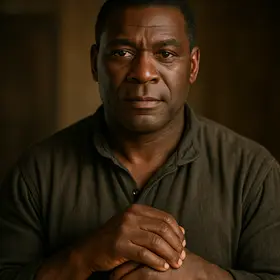 Uncle TomProtagonist
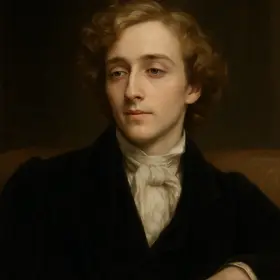 Augustine St. ClareMajor character
 EmmelineMinor character
 Eliza HarrisMajor character
 Little EvaMajor character
 CassyMajor character
 Marie St. ClareMajor character
 Mr. ShelbyMajor character
All chapter summaries ›Characters ›
Read Uncle Tom's Cabin illustrated
Every scene in these notes comes from the Book2Life reader, where the full public-domain text is illustrated as you read, with character portraits and narration. Free in your browser and on iPhone.
