Tom in Uncle Tom's Cabin
Protagonist
An enslaved, devoutly Christian man whose compassion and faith guide him through hardship and service to others.
Who is Tom?
Tom is an enslaved Black man who appears as a calm, spiritually centered presence in several episodes. He travels with the trader Mr. Haley, witnessing the cruelty of auctions and the tearing apart of families, and offers Scripture and consolation to the traumatized, like the mother Lucy whose infant is sold. Later Tom serves at Augustine St. Clare’s household, where he is a steady, gentle attendant to Little Eva and a moral example to those around him. Tom intervenes verbally when he sees cruelty — as when Henrique brutally beats his groom — and he devotes himself to Eva during her illness, carrying and singing to her and attending her deathbed. Throughout these scenes Tom’s desires are understated: to comfort the suffering, to live according to his religious convictions, and to minister to those in his care. His actions repeatedly foreground spiritual consolation and selfless service in the face of social brutality and private indifference.
Personality
- Deeply faithful
- On the steamboat he quietly reflects on Scripture and offers spiritual consolation to Lucy after her child is sold.
- Compassionate
- He comforts the distraught woman Lucy after her baby is taken and later devotes himself to carrying and singing to the dying Little Eva.
- Steady
- In St. Clare’s household Tom consistently performs caregiving duties and remains a calm presence amid quarrels and illness.
- Morally courageous
- He intervenes verbally when Henrique beats the mulatto groom, contrasting with the boy’s violent discipline.
- Selfless
- Tom gives his time and voice to Eva in her last hours, prioritizing her comfort over his own welfare.
Character arc
When Tom first appears he is a reflective, scripture-minded man witnessing the market realities of the slave trade: he rides with Mr. Haley to an auction and responds to immediate cruelties with spiritual consolation. As he moves into St. Clare’s household he continues this pattern of inward faith expressed outwardly in service. He speaks against casual cruelty when possible, as in the Henrique episode, but mostly he ministers through patient caregiving, forming a particularly intimate bond with Little Eva. During Eva’s decline Tom becomes her devoted attendant, singing and carrying her, and is present at her death, which crystallizes his role as a moral and spiritual exemplar to the household. Across these scenes he does not undergo a radical change of belief or principle; rather, his inner steadiness and faith remain constant while the scope of his caregiving expands and his moral example becomes more visible to others. He remains both shaped by and resistant to the dehumanizing world around him, meeting suffering with compassion rather than bitterness.
Relationships
- Mr. Haley Tom travels with Haley to market and is subject to the trader’s business decisions and movements.
- Lucy A fellow enslaved woman whose baby is sold on the steamboat; Tom offers her spiritual consolation after the loss.
- Augustine St. Clare Tom serves in St. Clare’s household and witnesses Augustine’s private reflections and debates about slavery.
- Little Eva (Evangeline) Tom forms a tender, caregiving bond with Eva, tending and singing to her through her illness and at her deathbed.
- Henrique A visiting boy whose brutal beating of his groom provokes Tom to intervene verbally against the cruelty.
- Miss Ophelia (Miss Ophelia St. Clare) A member of the household who shares scenes of domestic tension with Tom and participates in Eva’s care alongside him.
Why Tom matters
Tom embodies the novel’s religious and moral critique of slavery: his unwavering Christian faith and compassionate actions highlight the humanity of the enslaved even as the institution treats people as property. Through Tom’s quiet resistance — comforting the bereaved, reproving cruelty, and ministering to the dying — Stowe contrasts spiritual virtue with the economic and social brutality of slavery. Tom’s presence invites readers to judge the system by its effects on conscience, family ties, and the capacity for moral feeling.
Chapters with Tom
More Uncle Tom's Cabin characters
 Uncle TomProtagonist
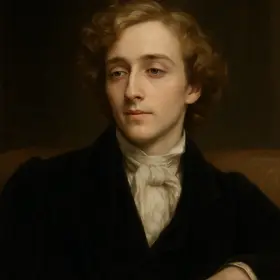 Augustine St. ClareMajor character
 EmmelineMinor character
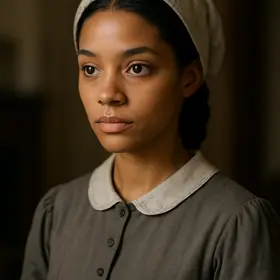 Eliza HarrisMajor character
 Little EvaMajor character
 CassyMajor character
 Marie St. ClareMajor character
 Mr. ShelbyMajor character
All chapter summaries ›Characters ›
Read Uncle Tom's Cabin illustrated
Every scene in these notes comes from the Book2Life reader, where the full public-domain text is illustrated as you read, with character portraits and narration. Free in your browser and on iPhone.
