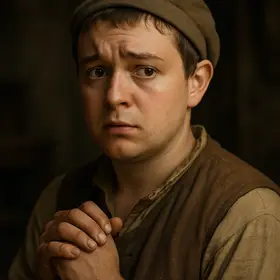
Francis Flute in A Midsummer Night's Dream
Minor character
An earnest Athenian artisan and one of the 'Mechanicals' chosen to play Thisbe in the craftsmen’s amateur play.
Who is Francis Flute?
Francis Flute is a tradesman who joins Peter Quince and the other craftsmen to rehearse the interlude Pyramus and Thisbe for Theseus’s wedding. Reluctant and nervous about performing a female role, he protests being cast as Thisbe because of his beard, but accepts the assignment and prepares to learn his part. He appears at the rehearsal in the wood where the troupe practices staging and prologues, then later helps search anxiously for Bottom when the actor is missing. After Bottom returns transformed and triumphant, Flute follows Quince’s directions as they ready costumes and props for the palace performance. Finally he appears with the other craftsmen to perform the deliberately inept play before the Duke and guests. Throughout, Flute provides a sincere, down-to-earth presence: he is earnest in his craft, comic in his discomfort with theatrical femininity, and reliably cooperative in the troupe’s bumbling efforts to honor their commitment to the wedding entertainment.
In the book: Francis Flute is one of the “Mechanicals,” an earnest Athenian artisan chosen to perform in an amateur play, where he is comically assigned a female role despite his reluctance. His nervousness and seriousness in the face of theatrical absurdity provide gentle satire of amateur actors and highlight the play’s themes of performance, identity, and transformation, adding warm, down‑to‑earth humor to the broader romantic misadventures.
Personality
- Earnest
- He joins Quince and the others to prepare the interlude and vows to rehearse 'obscenely and courageously' for the Duke’s wedding (Act 1, Scene 2).
- Reluctant
- He protests when Quince assigns him the role of Thisbe, objecting that he has a beard (Act 1, Scene 2).
- Practical
- He takes part in the troupe’s discussions of staging, props, and the prologue during the rehearsal in the wood (Act 3, Scene 1).
- Anxious
- He helps Quince and the others worry and search for Bottom when the actor goes missing before the performance (Act 4, Scene 2).
- Cooperative
- He follows the troupe’s preparations and joins the others in performing the play before the Duke, accepting the group’s comic amateurism (Act 5, Scene 1).
Character arc
Flute begins as a hesitant, self-conscious artisan who balks at the idea of playing a woman, voicing concern about his beard and the oddity of the assignment (Act 1, Scene 2). He moves from private protest to participation: he attends rehearsals in the wood, contributes to the troupe’s staging discussions, and endures the absurd interruptions that beset their practice (Act 3, Scene 1). When Bottom disappears, Flute shifts into a worried, collaborative mode, helping Quince search and fret over the fate of their play (Act 4, Scene 2). By the time of the palace performance, Flute stands with the other craftsmen onstage and delivers the amateur production of Pyramus and Thisbe before the Duke and wedding guests (Act 5, Scene 1). He does not undergo a radical personal transformation; rather, his arc is one of acceptance and steadying—he moves from reluctance to committed participation, embracing the social responsibility and communal pride of the Mechanicals despite comic discomfort.
Relationships
- Peter Quince Quince is the troupe’s organizer who assigns Flute the role of Thisbe and directs his rehearsal activity.
- Nick Bottom Bottom is a fellow craftsman whose absence and later triumphant return directly affect Flute and the troupe’s ability to perform.
- Snug Snug is a fellow mechanical who shares rehearsal worries with Flute, such as remembering lines and stage business.
- Robin Starveling Starveling is another troupe member who rehearses and worries alongside Flute and helps prepare for the palace performance.
- Theseus Theseus is the Duke whose wedding the troupe hopes to honor by performing their play before him.
Why Francis Flute matters
Flute embodies the play’s gentle satire of amateur performers and contributes earthy comic relief that balances the romantic and magical strands. His reluctance to play a woman and eventual cooperation highlight themes of performance and identity: gender and role are shown as social parts that can be adopted awkwardly but earnestly. By moving from protest to participation, Flute also illustrates the communal spirit and good-humored industriousness of the Mechanicals, reinforcing the play’s celebration of ordinary people’s desire to create art and be seen.
Chapters with Francis Flute
More A Midsummer Night's Dream characters
 DemetriusMajor character
 HelenaMajor character
 HermiaMajor character
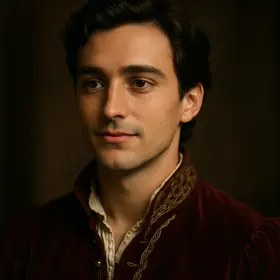 LysanderMajor character
 PuckMajor character
 OberonMajor character
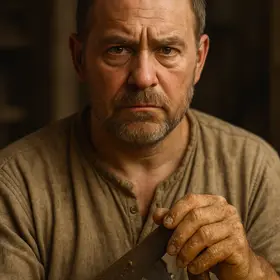 Peter QuinceMajor character
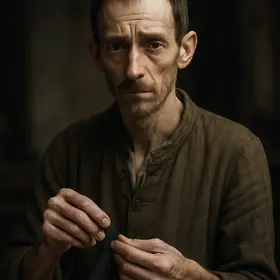 Robin StarvelingMinor character
All chapter summaries ›Characters ›
Read A Midsummer Night's Dream illustrated
Every scene in these notes comes from the Book2Life reader, where the full public-domain text is illustrated as you read, with character portraits and narration. Free in your browser and on iPhone.
Read A Midsummer Night's Dream free
