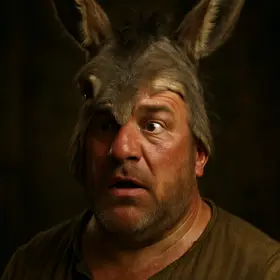
Nick Bottom in A Midsummer Night's Dream
Major character
An exuberant amateur actor who insists on playing every part and drives the Mechanicals’ rehearsals with comic overconfidence.
Who is Nick Bottom?
Nick Bottom is one of the five craftsmen who form the Mechanicals preparing a play for the Duke’s wedding. At the first meeting he boasts, volunteers for multiple roles, and dominates the rehearsal with buoyant self-assurance and comic misunderstanding of theatrical conventions. The troupe agrees to rehearse in the woods outside Athens to avoid ridicule, with Bottom cast as Pyramus. Later, when Bottom is missing and the others fear the performance will fail, Quince and the company fret until Bottom reappears in high spirits, immediately taking charge of practical preparations and offering absurdly earnest stage directions and advice. Across his appearances Bottom functions as the troupe’s confident center: he creates momentum for rehearsal, eases the group’s anxieties when he returns, and supplies much of the play’s comic energy through his misplaced certainty and theatrical prescriptions.
In the book: Nick Bottom is an exuberant amateur actor among the “Mechanicals,” convinced of his own star power and eager to play every role. His overconfidence, mixed-up phrasing, and literal-mindedness provide much of the play’s humor. Through his rehearsals and misadventures in the woods, he becomes a focal point for the play’s exploration of imagination, performance, and the thin line between reality and dream, all while remaining endearingly earnest.
Personality
- overconfident
- He volunteers to play multiple major roles and insists he can handle tragic and tyrannical parts at the players’ first meeting.
- earnest
- On returning, he cheerfully lays out practical instructions about costumes, props and actors’ cleanliness, treating the task seriously.
- literal-minded
- His comic stage directions—such as worrying about a lion’s claws and breath control—show a simplistic, literal grasp of performance.
- domineering
- He takes charge of the company’s preparations, calming the others and assigning practical tasks before the performance.
Character arc
When Bottom first appears he bursts into the company’s meeting full of boastful energy, claiming he can play every major part and treating the amateur production as if he were a professional star. That zeal helps set the rehearsal’s comic tone and secures his role as Pyramus. Later, his unexplained absence threatens the troupe’s chance to perform and exposes how central his confidence is to their morale. His eventual return reverses the panic: he arrives in high spirits and immediately assumes practical command, giving specific directions about costumes, props and stage business. He does not become self-aware or repentant; instead he sustains his characteristic mixture of comic vanity and sincere devotion to the play, moving from self-promoting volunteer to reassuring leader while preserving the same exuberant worldview throughout.
Relationships
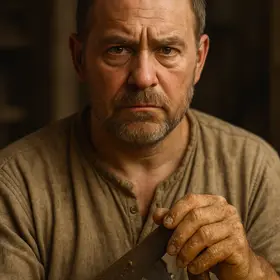
- Peter Quince Quince organizes the troupe and assigns Bottom the role of Pyramus; he relies on Bottom’s return to secure the performance.
- Francis Flute A fellow craftsman and cast member who objects to playing a woman; he worries when Bottom is missing because the play depends on him.
- Snug One of the Mechanicals concerned about remembering lines who brings news and reacts anxiously to Bottom’s disappearance.
- Tom Snout A fellow actor assigned a supporting role who participates in the company’s rehearsal plans with Bottom.
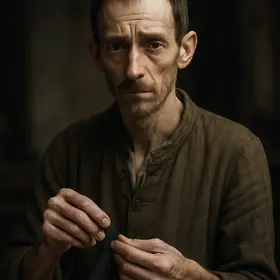
- Robin Starveling A fellow craftsman cast in the play who joins in the group’s discussions and fears for the performance when Bottom vanishes.
- Theseus Theseus’s return with the wedding party raises the stakes for the Mechanicals’ performance and intensifies the group’s urgency to find Bottom.
Quotes by Nick Bottom
“I will roar that I will make the Duke say ‘Let him roar again, let him roar again.’”
Act 1, Scene 2Bottom boasts about playing the lion and imagines thrilling the audience, revealing his overblown confidence and appetite for stage effect.
“Masters, I am to discourse wonders: but ask me not what; for if I tell you, I am not true Athenian.”
Act 4, Scene 2Bottom boasts of astonishing news while teasingly withholding details, then quickly moves to boss the troupe into readiness.
Why Nick Bottom matters
Bottom embodies the play’s interest in performance, imagination and the blurred line between earnestness and absurdity. His overconfidence and literal theatrical thinking generate much of the comedy, while his role as the troupe’s energetic center shows how imagination and good-humored self-belief can sustain communal art. Bottom’s disappearance and spirited return also highlight the precariousness of amateur performance and how theatrical illusion depends on cast confidence as much as skill.
Chapters with Nick Bottom
More A Midsummer Night's Dream characters
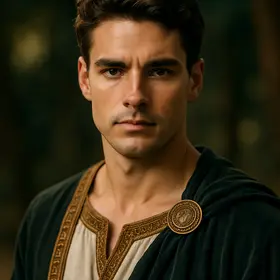 DemetriusMajor character
 HelenaMajor character
 HermiaMajor character
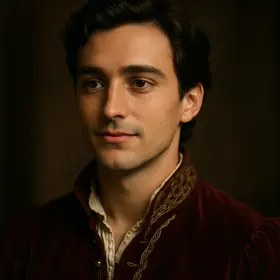 LysanderMajor character
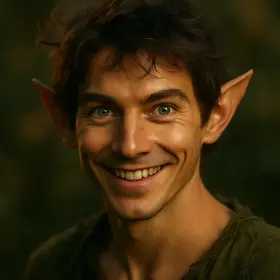 PuckMajor character
 OberonMajor character
 Peter QuinceMajor character
 Robin StarvelingMinor character
All chapter summaries ›Characters ›
Read A Midsummer Night's Dream illustrated
Every scene in these notes comes from the Book2Life reader, where the full public-domain text is illustrated as you read, with character portraits and narration. Free in your browser and on iPhone.
Read A Midsummer Night's Dream free
