Pyramus in A Midsummer Night's Dream
Minor character
The tragic lover in the mechanicals’ play 'Pyramus and Thisbe', performed badly but earnestly for the Duke’s wedding.
Who is Pyramus?
Pyramus is the title lover in the amateur play the mechanicals prepare to present at Theseus’s wedding. He is a fictional tragic hero within the craftsmen’s interlude—announced by Peter Quince when casting the troupe—and rehearsed clumsily in the wood with comic concerns about staging, props and a convincing death. Although the mechanicals bicker and fumble through preparations, they assign Pyramus to Nick Bottom, who later returns to perform the part before the Duke’s court. In the palace, the mechanicals enact Pyramus’s sorrowful story with overblown gestures, a mock wall, and a slapstick death that produces laughter rather than genuine pity. Pyramus’s presence is straight-faced and heartfelt within the amateur troupe’s intentions; the role is treated with solemnity by the actors even as the audience treats it as comic entertainment. The Pyramus episode serves as a deliberately inept, affectionate pastiche of tragic romance meant to entertain the wedding company.
Personality
- Melodramatic
- The palace performance renders Pyramus’s anguish in exaggerated, overblown terms that invite laughter rather than sorrow.
- Solemn
- Despite comic staging, the mechanicals aim to perform 'the most lamentable comedy' and treat Pyramus’s death with serious intent during rehearsal and performance.
- Stock-hero
- Pyramus exists as a conventional tragic lover within the play-within-the-play, serving familiar tropes the craftsmen try to mimic in rehearsal.
- Instrumental
- Quince assigns the role to Bottom and the character functions chiefly to provide the mechanicals’ tragic plot for the wedding entertainment.
Character arc
Pyramus’s arc is tracked only through the mechanicals’ preparations and the final staged performance. He is first announced as the central tragic figure when Peter Quince reads the cast list and assigns the part to Nick Bottom; the rehearsals in the wood show the craftsmen wrestling with how to make the lover’s death convincing, debating props, a wall, moonlight and the handling of dangerous business. The character himself does not act independently in the larger play—his development is enacted by the craftsmen—so his 'change' is reflected in the contrast between intent and reception: the troupe seeks a moving tragedy but, by Act 5, Pyramus’s sorrowful end is delivered with such earnest incompetence that it becomes comic entertainment. Thus Pyramus moves from being presented as a lamentable, serious figure in rehearsal to being experienced as a humorous, affectionate parody by the court audience; his essential nature as a tragic lover remains the same, but the effect shifts from intended pathos to received laughter.
Relationships
- Peter Quince Quince is the director who names and assigns Pyramus’s role to Bottom and organizes the play’s rehearsal and performance.
- Nick Bottom Bottom is the actor who plays Pyramus and embodies the role in both the rehearsal and the palace performance.
- Francis Flute Flute plays Thisbe opposite Pyramus in the mechanicals’ staging and shares the lovers’ scenes.
- Tom Snout Snout is cast as Pyramus’s father in the troupe’s casting, linked to Pyramus by familial role within the play-within-the-play.
- Snug Snug takes on the lion in the Pyramus and Thisbe performance, providing the peril that prompts Pyramus’s tragic reaction.
Why Pyramus matters
Pyramus functions as a comic mirror to the play’s larger explorations of love and theatricality. As a deliberately overwrought tragic figure performed by earnest but inept artisans, he highlights the gap between romantic ideal and human performance. The mechanicals’ attempt to stage a moving death underscores the play’s theme that love’s passions are often staged, misread, or transformed into spectacle; Pyramus’s mock tragedy reminds the audience that grief and romance can become objects of comedy, and that theatrical representation shapes how emotions are received and judged.
Chapters with Pyramus
More A Midsummer Night's Dream characters
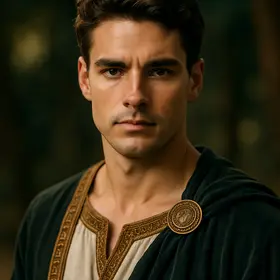 DemetriusMajor character
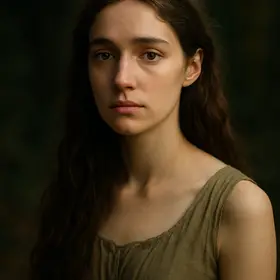 HelenaMajor character
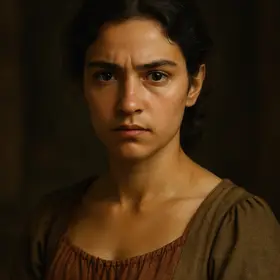 HermiaMajor character
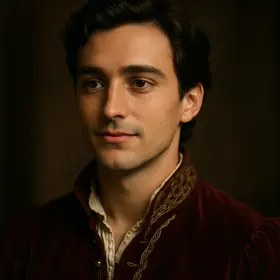 LysanderMajor character
 PuckMajor character
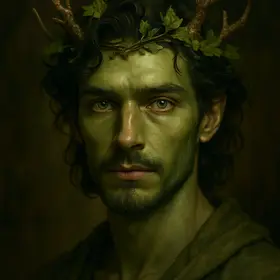 OberonMajor character
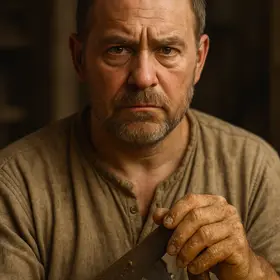 Peter QuinceMajor character
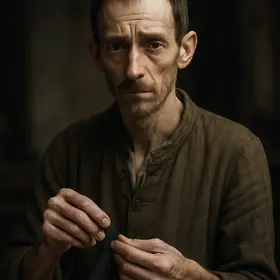 Robin StarvelingMinor character
All chapter summaries ›Characters ›
Read A Midsummer Night's Dream illustrated
Every scene in these notes comes from the Book2Life reader, where the full public-domain text is illustrated as you read, with character portraits and narration. Free in your browser and on iPhone.
Read A Midsummer Night's Dream free
