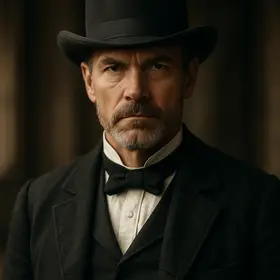
Colonel Sherburn in Adventures of Huckleberry Finn
Minor character
A calm, proud Kentuckian who shoots a noisy drunk and shames a lynch mob with a biting lecture on cowardice.
Who is Colonel Sherburn?
Colonel Sherburn is a composed, formidable man living in the small Arkansas river town where Huck and the travelling performers stop. When the notorious drunk Boggs publicly insults him and later returns in a drunken stupor, Sherburn kills Boggs after giving a formal warning. The town erupts into outrage and a violent mob forms to lynch Sherburn. Instead of panicking, Sherburn confronts the mob from his porch, armed and unflinching, and delivers a scathing, deliberate speech that exposes the crowd's cowardice and performative bravado; his words dissolve the mob and leave the town chastened. Sherburn does not pursue vengeance or public approval afterward; he remains disdainful of the town's posturing. His brief but intense episode interrupts the raft-and-circus episodes and forces Huck (and the reader) to face questions about individual conscience, the thinness of communal courage, and social hypocrisy in frontier justice.
In the book: A minor but pivotal figure, Sherburn kills the town drunk and then faces down a lynch mob, delivering a scathing address on cowardice. His episode serves as a sharp critique of mob mentality and performative bravado, highlighting themes of individual conscience and societal hypocrisy in the novel.
Personality
- Calm
- He waits on his porch with a double-barrel gun and watches the mob in silence before speaking.
- Proud
- He issues a formal warning to Boggs and conducts himself with measured contempt after the shooting.
- Courageous
- He stands alone on his porch against a howling mob, unarmed except for his gun, and refuses to be intimidated.
- Cynical
- His long lecture exposes the crowd's cowardice and calls social bravado a sham rather than appealing to their better natures.
Character arc
Sherburn appears as a single, decisive force and remains essentially unchanged by the events he provokes. From his first visible act—calmly warning and then shooting Boggs—to his later appearance on the porch, he consistently embodies a cold steadiness and contempt for mob mentality. Rather than softening or seeking redemption, he uses the episode to hold a mirror up to the town: he methodically dismantles the crowd's moral posturing through a blunt, humiliating speech that forces dispersal. There is no personal transformation; Sherburn neither seeks to be understood nor to reform the town. His role is catalytic rather than developmental—he exposes the community's weaknesses and leaves, still aloof and proud, while Huck and the townspeople are left to reckon (or not) with the consequences. The arc shows Sherburn as a stable instrument of moral revelation rather than a character who undergoes change.
Relationships
- Huckleberry Finn Huck witnesses Sherburn's killing of Boggs and his subsequent confrontation with the mob, observing Sherburn's speech from a distance.
- The Duke The Duke is part of the travelling party in the same town and is present in the broader episode that frames Sherburn's actions.
- The King The King is also among the travelling performers in town and shares the setting in which Sherburn's incident occurs.
- Buck Grangerford Buck (as one of the townspeople present) is part of the crowd that disperses after Sherburn's speech, illustrating local reaction.
Quotes by Colonel Sherburn
“The pitifulest thing out is a mob; that’s what an army is—a mob; they don’t fight with courage that’s born in them, but with courage that’s borrowed from their mass, and from their officers.”
Chapter 22Sherburn’s central line condemning the mob’s borrowed courage and exposing its essential cowardice.
Why Colonel Sherburn matters
Sherburn crystallizes Twain's critique of mob psychology and performative manhood. His calm, contemptuous dismantling of the lynch mob reveals how communal courage often masks private cowardice and how lawless towns easily slide into theatrical violence. By refusing both to repent and to flatter the crowd, Sherburn forces readers to confront the discrepancy between individual integrity and social posturing. His episode interrupts the travelers' comic acts with a harsh moral lesson, underscoring themes of hypocrisy, the fragility of civilized behavior, and the dangerous spectacle of public justice without conscience.
Chapters with Colonel Sherburn
More Adventures of Huckleberry Finn characters
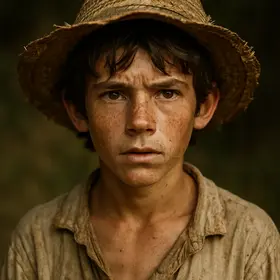 Huckleberry FinnProtagonist
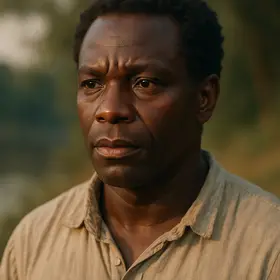 JimMajor character
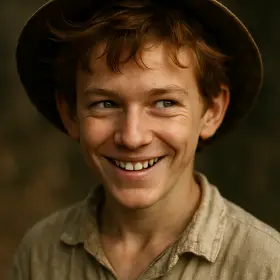 Tom SawyerMajor character
 The DukeMajor character
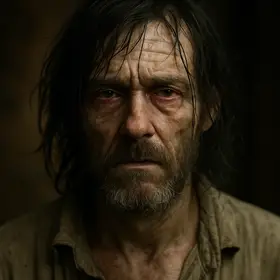 Pap FinnAntagonist
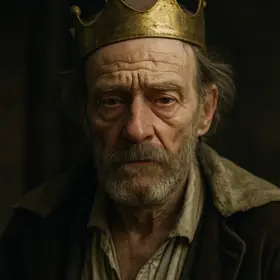 The KingAntagonist
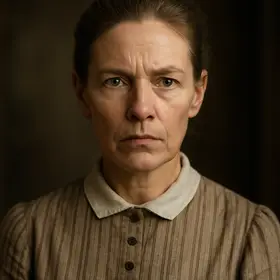 Aunt SallyMajor character
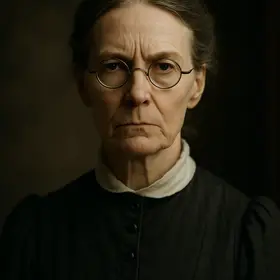 Miss WatsonMajor character
All chapter summaries ›Characters ›
Read Adventures of Huckleberry Finn illustrated
Every scene in these notes comes from the Book2Life reader, where the full public-domain text is illustrated as you read, with character portraits and narration. Free in your browser and on iPhone.
Read Adventures of Huckleberry Finn free
