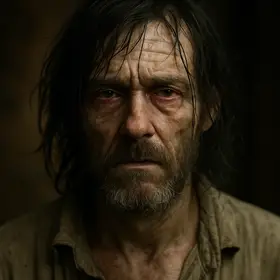
Pap Finn in Adventures of Huckleberry Finn
Antagonist
Huck’s violent, alcoholic father whose control and bigotry drive Huck to flee and seek independence.
Who is Pap Finn?
Pap Finn is Huckleberry Finn’s estranged, abusive father who reappears after a year of absence and promptly tries to regain control of Huck and the money Huck has earned. Filthy, drunken, and resentful of Huck’s schooling and manners, Pap alternates between threats, beatings, and public brawling. He kidnaps Huck to an isolated cabin across the river, locks him in, and regularly drinks and punishes him; Huck endures the filth and searches for means of escape. Pap’s promise to reform is exposed as a sham when he sells his coat for whiskey and breaks his arm, and his rants about government and race reveal the ignorant, violent assumptions Twain critiques. Pap’s presence and brutality force Huck to fake his own murder, steal a canoe, and run to Jackson’s Island, setting the raft voyage in motion and indirectly leading Huck to meet Jim. Pap remains a looming, discredited threat—his failures and fanaticism contrast with the more humane figures who try to protect Huck and highlight the social forces Huck rejects.
In the book: Pap Finn is Huck’s abusive, alcoholic father and a primary human threat in the early story. As Huck’s legal guardian, he tries to control the boy—and his newfound fortune—embodying the ignorance, violence, and prejudice the novel critiques, and spurring Huck’s flight toward independence and moral growth.
Personality
- Violent
- He repeatedly beats Huck and confines him in a locked cabin after seizing him and taking him across the river (Chapter 6).
- Alcoholic
- He sneaks away to buy whiskey, sells his coat for drink, and returns drunk—then falls from a porch and breaks his arm (Chapter 5).
- Controlling
- He inspects Huck’s reading aloud, tears up Huck’s reward picture, and demands Huck’s money, taking the lone dollar Huck has (Chapter 5).
- Bigoted
- He rails about the government and free blacks in a drunken rant while Huck listens from the cabin (Chapter 6).
Character arc
Pap’s role is consistent: he returns to reclaim control and fails at reform, driving Huck’s escape. He first appears as a feared absentee rumored drowned, then reappears ragged and threatening, immediately undermining Huck’s domestic stability by denouncing Huck’s schooling and taking his money (Chapters 3–5). A brief, publicly staged temperance pledge collapses when Pap sneaks off for whiskey and injures himself, exposing his inability to change (Chapter 5). His cruelty escalates: he seizes Huck, relocates to an isolated cabin, locks and beats him, and drunkenly rants about politics and race while Huck plans an exit (Chapter 6). Huck’s successful fabrication of his own death and escape to Jackson’s Island (Chapter 7) marks Pap’s practical defeat: he is left searching for a dead body he believes is his son (Chapter 8). After Huck leaves, Pap’s influence is reduced to a memory and a risk; by the end he functions as a symbol Huck expects will not return, allowing Huck to resolve to run rather than be civilized—Pap’s personal arc is less change than exposure and impotence across the narrative (Chapters 7–8, final chapter).
Pap Finn in pictures


Relationships
- Huckleberry Finn Huck’s biological father and legal guardian who abuses, controls, and ultimately drives Huck to escape.
- Judge Thatcher A legal protector who secures Huck’s money to keep it from Pap and who confronts Pap’s drunken threats and legal maneuvering.
- Widow Douglas Huck’s would-be civilizer whom Pap scorns—her attempts to tame Huck stand opposed to Pap’s violent claim to him.
- Miss Watson Representative of the stricter domestic order Huck is nudged into, whose religious instruction Pap disparages when he berates Huck for ‘puttin’ on airs.’
- Jim Though Pap does not interact directly with Jim in the chapters given, Pap’s abuse prompts Huck’s escape that leads Huck to meet and travel with Jim.
Quotes by Pap Finn
“You drop that school, you hear? I’ll learn people to bring up a boy to put on airs over his own father and let on to be better’n what he is.”
Chapter 5Pap's command to Huck encapsulates his hostility to Huck's education and his desire to assert authority through intimidation.
“There’s a hand that was the hand of a hog; but it ain’t so no more; it’s the hand of a man that’s started in on a new life, and’ll die before he’ll go back.”
Chapter 5Pap's tearful pronouncement during his staged reform shows the theatricality of his conversion and foreshadows its fragility.
“Call this a govment! why, just look at it and see what it’s like.”
Chapter 6Pap launches a rambling, furious attack on government and society while drunk, exposing his ignorance and prejudice.
“Tramp—tramp—tramp; that’s the dead; tramp—tramp—tramp; they’re coming after me; but I won’t go.”
Chapter 6During a delirious episode, Pap hallucinate about the dead coming for him, heightening the night's terror and unpredictability.
Why Pap Finn matters
Pap embodies the social ills Twain critiques: ignorance, violent patriarchy, and racial prejudice. He functions as the immediate human threat to Huck’s freedom and moral growth, forcing Huck to choose flight over submission. Pap’s failed reform, drunken rants, and attempts to claim Huck’s money dramatize the hypocrisy and destructiveness of a narrow, self-serving authority. By contrasting Pap’s cruelty with the more humane care of characters like the Widow and Judge Thatcher, the novel uses Pap to question who has true moral authority and to show why Huck must reject corrupt social values to develop his own conscience.
Chapters with Pap Finn
More Adventures of Huckleberry Finn characters
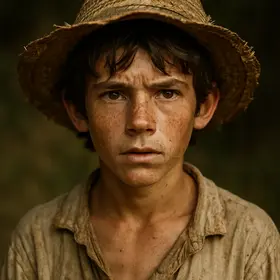 Huckleberry FinnProtagonist
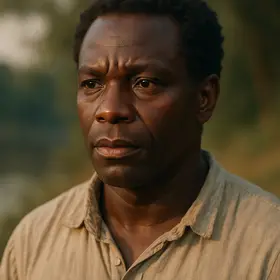 JimMajor character
 Tom SawyerMajor character
 The DukeMajor character
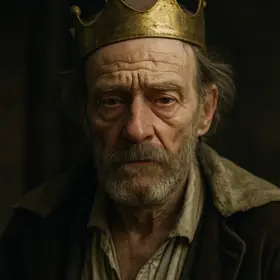 The KingAntagonist
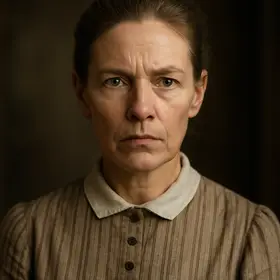 Aunt SallyMajor character
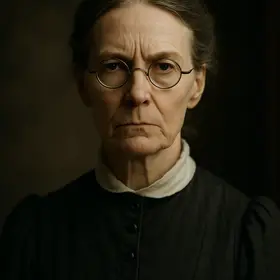 Miss WatsonMajor character
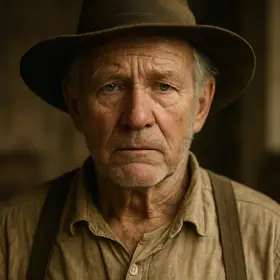 Silas PhelpsMinor character
All chapter summaries ›Characters ›
Read Adventures of Huckleberry Finn illustrated
Every scene in these notes comes from the Book2Life reader, where the full public-domain text is illustrated as you read, with character portraits and narration. Free in your browser and on iPhone.
Read Adventures of Huckleberry Finn free
