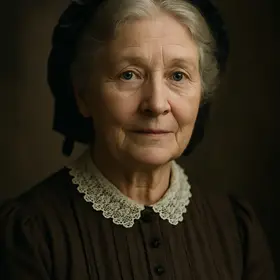
Widow Douglas in Adventures of Huckleberry Finn
Major character
Huck Finn’s kindly guardian who takes him in and tries to “sivilize” him with manners, prayer, and domestic care.
Who is Widow Douglas?
The Widow Douglas is a well-meaning woman in St. Petersburg who becomes Huck’s guardian after the events in Tom Sawyer. She wants to civilize Huck: to teach him manners, regular habits, schooling, and a Christian moral outlook. In the chapters where she appears she provides a stable home, offers gentle religious instruction and domestic discipline, and contrasts with Miss Watson’s stricter approach. She comforts Huck, washes and dresses him, presides over household routines such as prayers and grace, and participates in the community’s concern for Huck’s welfare when Pap returns. Although Huck resents the constraints she represents, the widow’s affection and safety give him a refuge and a model of caring conventional society. She also interacts with other town figures—taking part in decisions about Huck and in the searches launched when he is believed dead—so her presence stabilizes social order and highlights the pressures that push Huck toward escape and toward life on the raft.
In the book: Widow Douglas is Huck Finn’s benevolent guardian in St. Petersburg, who takes him into her home and tries to “civilize” him with manners, schooling, and Christian teachings. Paired with her stricter sister, Miss Watson, she embodies the well-meaning side of societal expectations, offering Huck safety, affection, and moral guidance. Her presence highlights the tension between individual freedom and the pressures of polite society while showing that kindness can coexist with conventional values.
Personality
- Benevolent
- She takes Huck in to “sivilize” him and treats him kindly, washing him and praising his progress when he adapts to house life (Chapters 1, 3, 4).
- Conventional
- She insists on household routines—prayers, manners, schooling, and the idea of Providence—trying to shape Huck into polite society (Chapters 1, 3, 4).
- Patient
- Despite Pap’s abuse and the town’s complications, she remains involved in Huck’s care and part of the community effort to resolve his situation (Chapters 5, 6, 8).
- Moralistic
- She and Miss Watson lecture Huck about heaven, hell, and proper behavior, embodying the novel’s moral instruction (Chapter 1).
Character arc
The Widow Douglas’s character stays largely steady across the chapters in which she appears: she is introduced as Huck’s affectionate guardian who wants to “sivilize” him, and she remains that figure through the episodes of Pap’s return and Huck’s apparent death. She provides domestic order and religious instruction from the start, praising Huck’s small advances in household living and schooling. When Pap reappears and causes trouble, the widow participates in community efforts to protect Huck and distance him from Pap’s influence; her warning to Pap to stop coming around signals her protective instincts. Even as Huck grows resentful of the constraints she represents and ultimately runs away, the widow’s role as a source of safety, care, and conventional morality does not fundamentally change—she continues to embody the domestic, reforming impulses of St. Petersburg that Huck both values for their kindness and rejects for their restrictions. Her constancy underlines Huck’s decision to seek freedom rather than reform.
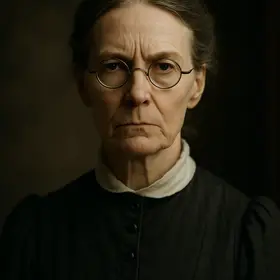
Widow Douglas in pictures

Relationships
- Huckleberry Finn Her adopted ward; she cares for, instructs, and attempts to civilize Huck while providing him with a home and moral guidance.
- Miss Watson Household counterpart whose sterner moral instruction contrasts with the widow’s kinder, more maternal approach.
- Judge Thatcher Ally in Huck’s financial and legal affairs: the judge helps manage Huck’s money and is involved when Pap and the town address Huck’s custody.
- Pap Finn Antagonistic presence whose abusive return forces the widow and the community to confront Huck’s safety and guardianship.
- Tom Sawyer Community member involved in searches for Huck; his presence underscores the social circle from which the widow’s domestic order arises.
Why Widow Douglas matters
The Widow Douglas represents the compassionate face of midwestern social and religious norms: kindness, domestic order, and moral instruction. Her attempts to civilize Huck highlight the novel’s tension between societal expectations and individual freedom—she offers genuine care but also embodies the constraints Huck resists. Through her steadiness and concern, the widow helps define the alternative Huck rejects when he chooses the raft, making her essential to the book’s critique of civilization that is gentle in manner but coercive in effect.
Chapters with Widow Douglas
More Adventures of Huckleberry Finn characters
 Huckleberry FinnProtagonist
 JimMajor character
 Tom SawyerMajor character
 The DukeMajor character
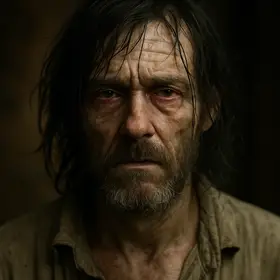 Pap FinnAntagonist
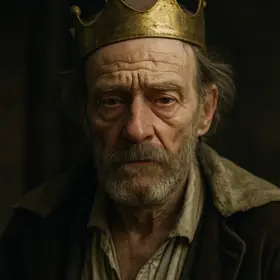 The KingAntagonist
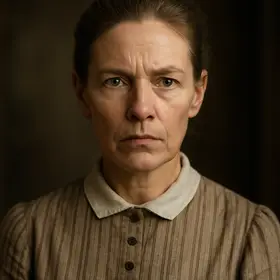 Aunt SallyMajor character
 Miss WatsonMajor character
All chapter summaries ›Characters ›
Read Adventures of Huckleberry Finn illustrated
Every scene in these notes comes from the Book2Life reader, where the full public-domain text is illustrated as you read, with character portraits and narration. Free in your browser and on iPhone.
Read Adventures of Huckleberry Finn free
