Don Quixote Chapter 33 Summary
Sancho’s Conversation with the Duchess
Sancho explains his deception about Dulcinea, defends his loyalty, and the duchess and duke decide to prank Don Quixote and prepare to reward Sancho with a mock government.
Summary
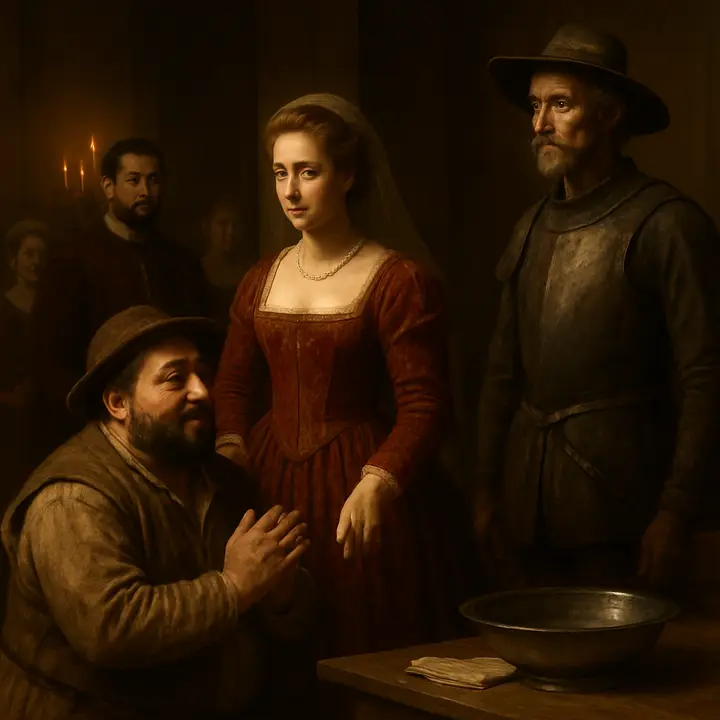
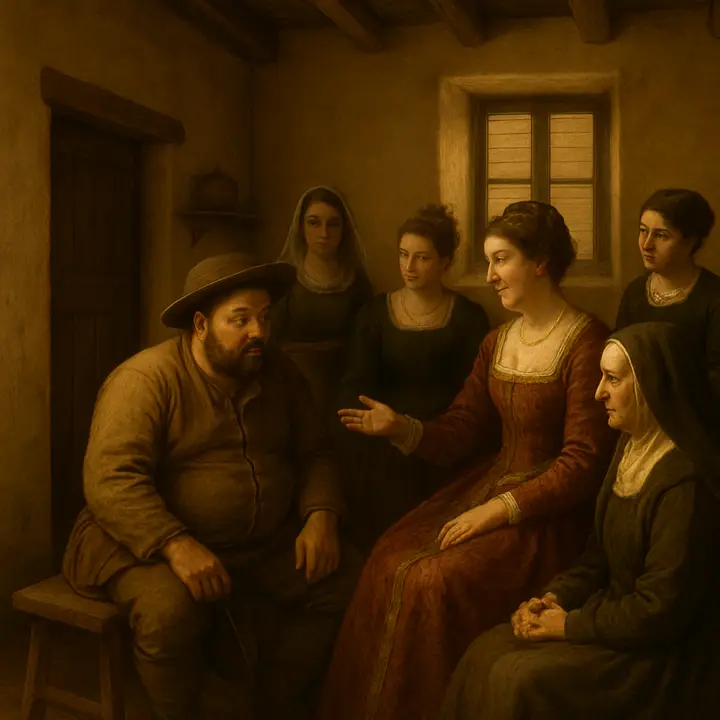
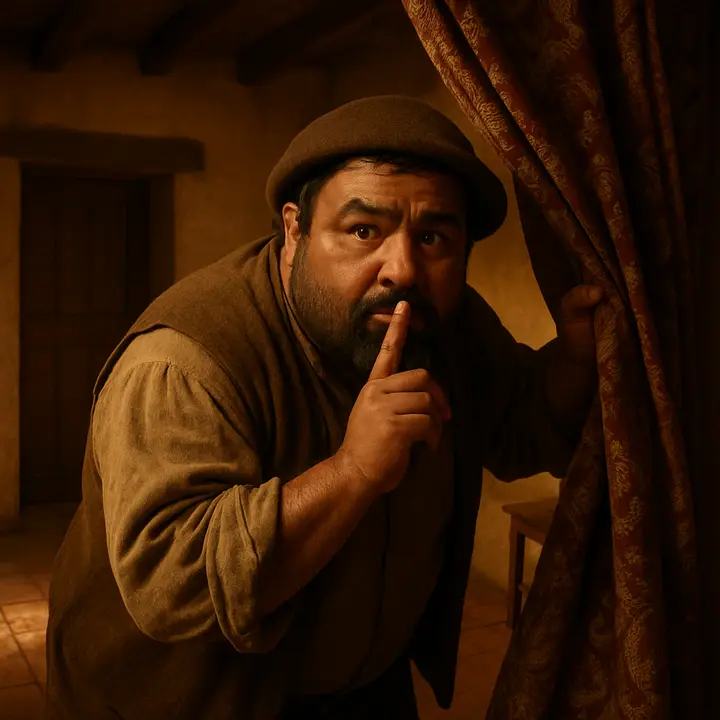
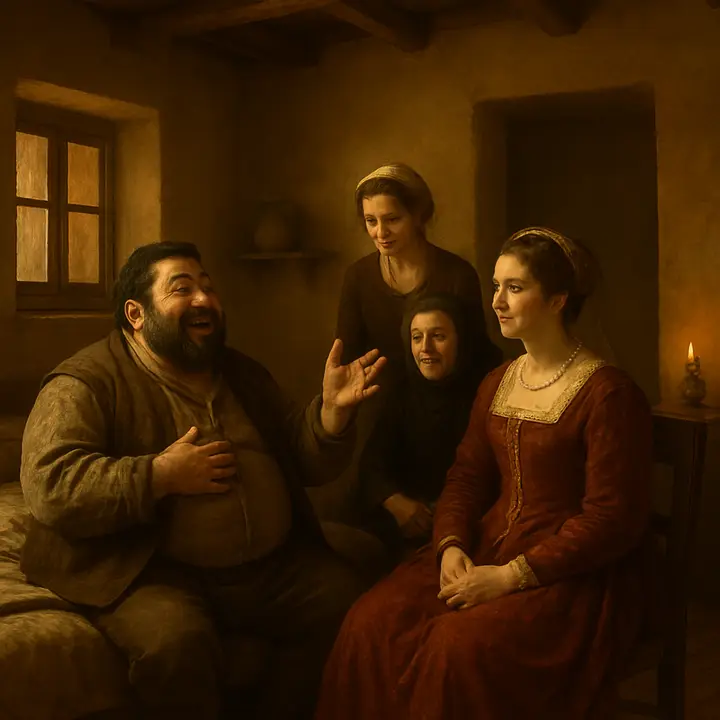
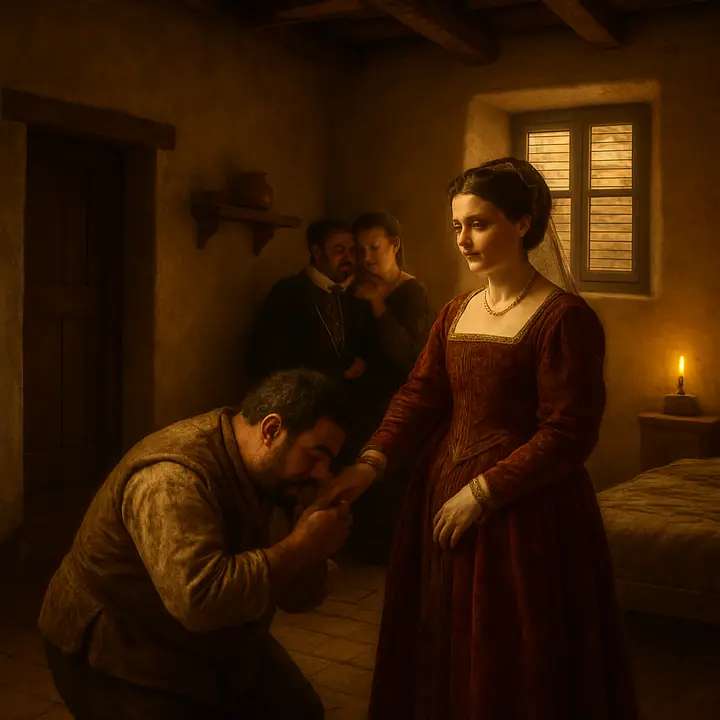
Sancho Panza, having stayed awake to keep his promise, visits the duchess and is invited to sit and speak as governor before the duchess and her ladies. The duchess questions him about the incident in which Sancho claimed to have met Dulcinea and invented an answer on her behalf; Sancho quietly checks the room for eavesdroppers, then candidly admits he thinks Don Quixote is mad but that he sometimes speaks wisely. He confesses he fabricated the story about Dulcinea’s being seen sifting wheat and about her enchantment to placate his master and avoid punishment, and he recounts the Montesinos cave episode as he remembers it.
The duchess and her attendants debate whether Sancho, who knows his master is mad yet remains devoted, could govern an island if she gives him one; Sancho responds with rustic proverbs, humility, and assurance that he is kind-hearted and would protect the poor. The duchess teases and reassures him, saying enchanters might be at work and that the girl may indeed be Dulcinea in disguise. Sancho insists he acted only to escape scolding and that God judges intentions. He requests care for his ass Dapple and exchanges good-natured banter about the propriety of duennas feeding asses. Amused, the duchess tells the duke of the conversation; together they plan a large, knightly jest on Don Quixote and promise Sancho a governorship as part of their plot, setting the stage for further theatrical adventures.
Key events
- Sancho visits the duchess and is urged to sit as governor.
- The duchess questions Sancho about inventing Dulcinea’s answer.
- Sancho admits he thinks Don Quixote is mad but sometimes wise and confesses the fabrication to avoid punishment.
- Sancho recounts the Montesinos cave episode and defends his intentions to the duchess.
- They discuss the promise of an island governorship and Sancho’s suitability.
- Duchess and duke decide to conspire to play a knightly joke on Don Quixote and reward Sancho.
Chapter 33 in pictures
Analysis
This chapter deepens characterization and highlights the novel’s ongoing play between appearance and reality. Sancho’s frankness—admitting his master’s madness yet defending his loyalty—reveals moral complexity: fidelity grounded in gratitude, habit, and human weakness rather than idealized chivalry. The duchess functions as an amused, manipulative observer whose interest in staging illusions for Don Quixote mirrors the book’s metafictional games; her suggestion that enchanters may be at work extends the novel’s theme of fabricated worlds and the instability of truth. The conversation also advances plot mechanics: the promise of an island and the duke-and-duchess’ intent to prank Don Quixote foreshadow an organized theatrical sequence of deceptions executed by aristocratic hosts. Sancho’s proverbs and earthy imagery provide comic relief while reinforcing class contrasts—his practical wisdom versus the aristocrats’ playful intellectualism. Narrative technique is notable: the narrator allows extended direct speech, letting Sancho’s voice dominate and reveal popular wisdom as a counterpoint to lofty rhetorical claims; the duchess’ role as instigator reminds readers that social elites can manipulate popular credulity for amusement. Symbolically, Dapple and the talk of governance gesture toward themes of authority and unfit rulers: Sancho imagines governance in terms of everyday fairness, not abstract power, undercutting aristocratic assumptions about political aptitude. Overall, the chapter blends comedy, social observation, and plot setup, continuing Cervantes’ exploration of fiction-making and the ethics of illusion.
Important quotes
“And the first thing I have got to say is, that for my own part I hold my master Don Quixote to be stark mad, though sometimes he says things that, to my mind, and indeed everybody’s that listens to him, are so wise...”
Sancho PanzaSancho admits he thinks Don Quixote is mad yet explains why he deceived him to avoid punishment and to serve him loyally.
“I invented all that to escape my master’s scolding, and not with any intention of hurting him; and if it has turned out differently, there is a God in heaven who judges our hearts.”
Sancho PanzaSancho defends his motives, appealing to conscience and divine judgment to excuse his fabrication about Dulcinea.
“Sancho once more kissed the duchess’s hand, and entreated her to let good care be taken of his Dapple, for he was the light of his eyes.”
NarratorShows Sancho’s affection for his ass and his modest, personal concerns even amid discussions of governance and grand jokes.
Characters in Chapter 33
All chapter summaries ›Characters ›
Read Don Quixote illustrated
Every scene in these notes comes from the Book2Life reader, where the full public-domain text is illustrated as you read, with character portraits and narration. Free in your browser and on iPhone.
