
Artemidorus in Julius Caesar
Minor character
A learned teacher who urgently tries to warn Caesar with a written letter as the assassination is about to occur.
Who is Artemidorus?
Artemidorus is a learned teacher who knows Rome’s prominent figures and the danger surrounding Caesar. He arrives on the Capitol route carrying a plainspoken warning letter naming conspirators and outlining the threat to Caesar’s life. Anxious and determined, he stations himself where he can intercept Caesar and presses the letter forward, desperate to hand it to the great man before it is too late. His goal is singular: to deliver the warning and save Caesar. In Act 3, Scene 1, he speaks directly to Caesar and extends the letter, but Caesar dismisses him and does not read the warning. Artemidorus’s attempt is interrupted by the crowd and the business of the Senate; moments later the conspirators strike and Caesar is killed. Artemidorus’s presence highlights an ignored, clear attempt to avert the tragedy and underscores how warnings can be overlooked in political theatre.
In the book: We meet Artemidorus as a learned teacher who knows the city’s movers and shakers a bit too well. Clutching a letter, he anxiously stations himself on Caesar’s route, desperate to press a plainspoken warning into the great man’s hand before it’s too late.
Personality
- earnest
- He anxiously stations himself on Caesar’s route clutching a warning letter and desperately tries to press it into Caesar’s hand.
- observant
- He knows the city’s movers and shakers well enough to write a letter that names the conspirators and the danger to Caesar.
- direct
- He presents a plainspoken warning to Caesar in person rather than relying on rumor or intermediaries.
- urgent
- He positions himself specifically to intercept Caesar before the Senate business can begin, showing immediate concern for timing.
Character arc
Artemidorus appears with a clear, focused purpose and maintains it to the end of his appearance: he wants Caesar to read his letter and be warned. From his first entrance he is anxious and single-minded, moving into position on Caesar’s route and attempting to hand the document directly to Caesar. He does not change tactics or waver—his approach remains urgent and direct. However, his effort fails because Caesar dismisses him amid the bustle of senatorial petitions and the manipulations of the conspirators. Artemidorus does not reappear after the assassination; there is no chance for him to adapt or respond to the consequences. Thus his arc is static in intent but tragic in outcome: steadfast warning culminates in impotence, illustrating that knowledge and effort can be rendered useless by political blindness and timing.
Relationships
- Julius Caesar He attempts to warn Caesar directly by handing him a letter that names the conspirators and the threat to his life.
- Soothsayer He is present in the same scene where the Soothsayer also attempts to warn Caesar about the Ides of March.
- Cassius He writes about or names the conspirators (including Cassius) in his warning, opposing their secret plot.
- Brutus He seeks to prevent the assassination that Brutus and the other conspirators carry out, though Brutus does not heed him.
- Mark Antony His failed warning precedes Antony’s private mourning and plotting after Caesar’s murder, linking their moments in the same turning scene.
Why Artemidorus matters
Artemidorus embodies ignored caution and the failure of prudent warnings in a politically charged moment. His presence shows that clear, specific knowledge of danger exists and is actively offered, yet authority and spectacle prevent it from being heeded. This underscores themes of blindness, the consequences of inattention by leaders, and how individual efforts to avert catastrophe can be overwhelmed by political momentum and public performance.
Chapters with Artemidorus
More Julius Caesar characters
 BrutusProtagonist
 CassiusAntagonist
 Mark AntonyAntagonist
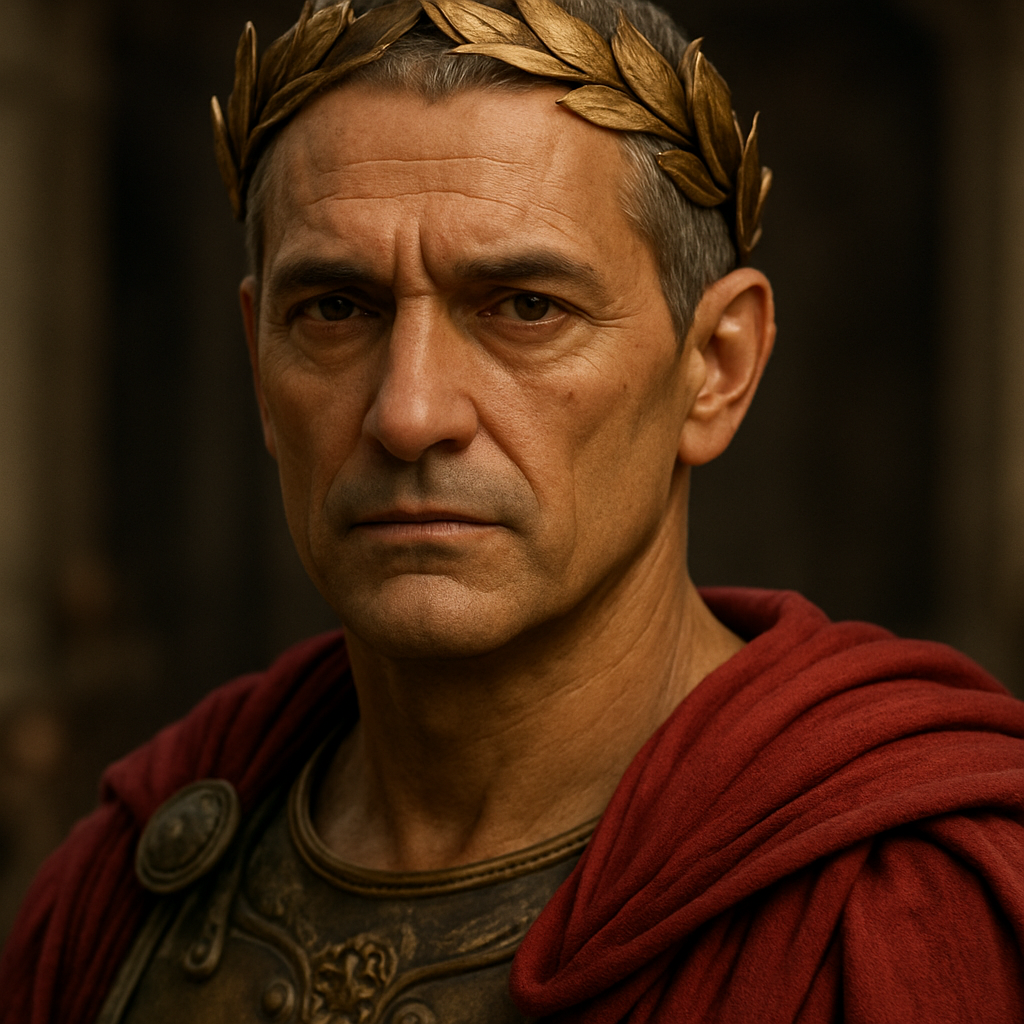 Julius CaesarProtagonist
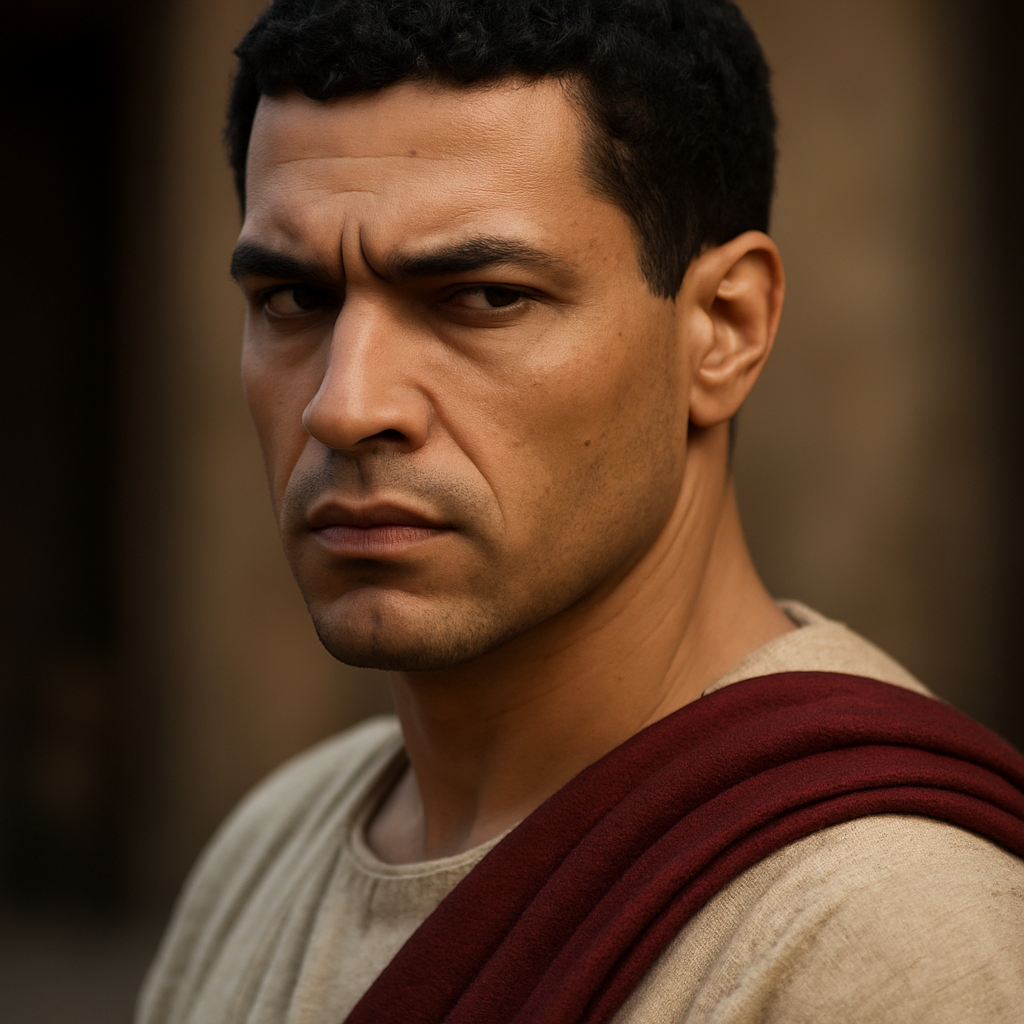 CascaMajor character
 LuciliusMajor character
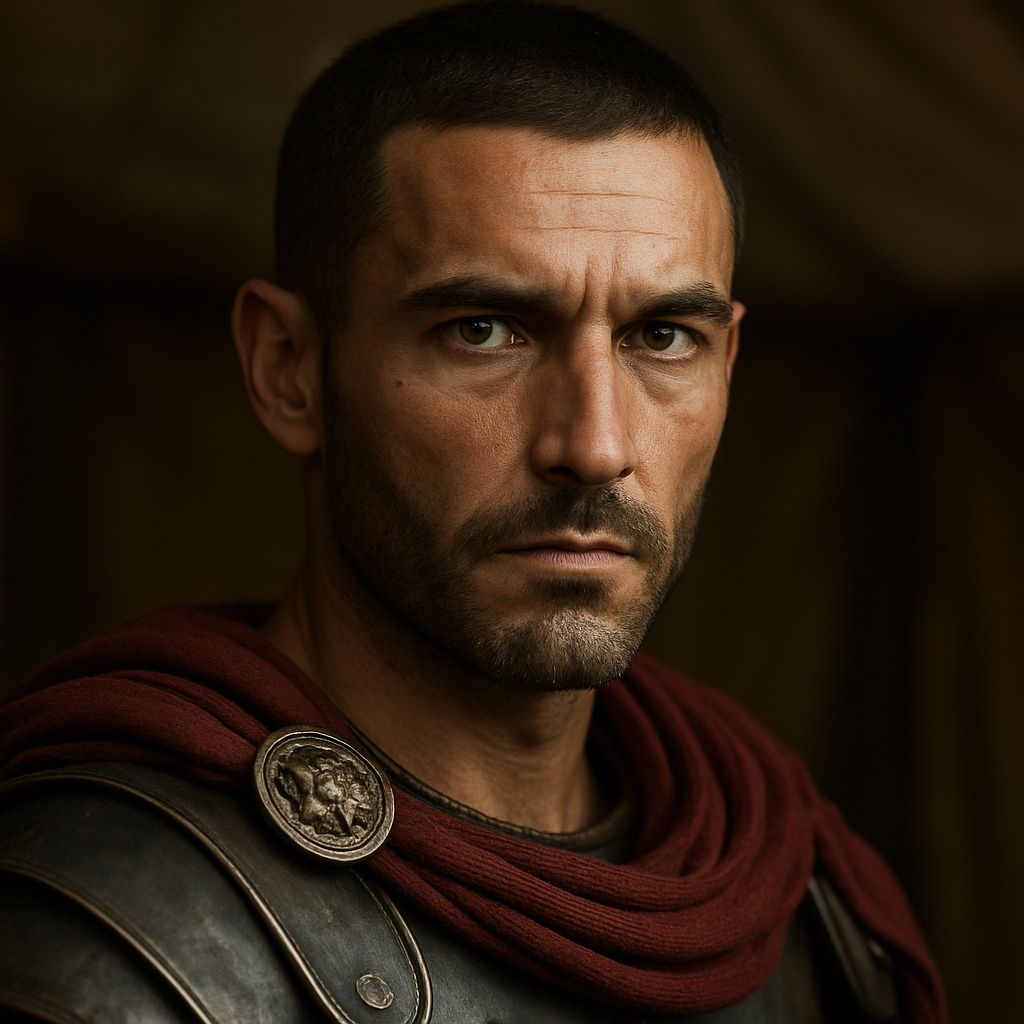 TitiniusMajor character
 Decius BrutusMajor character
All chapter summaries ›Characters ›
Read Julius Caesar illustrated
Every scene in these notes comes from the Book2Life reader, where the full public-domain text is illustrated as you read, with character portraits and narration. Free in your browser and on iPhone.
