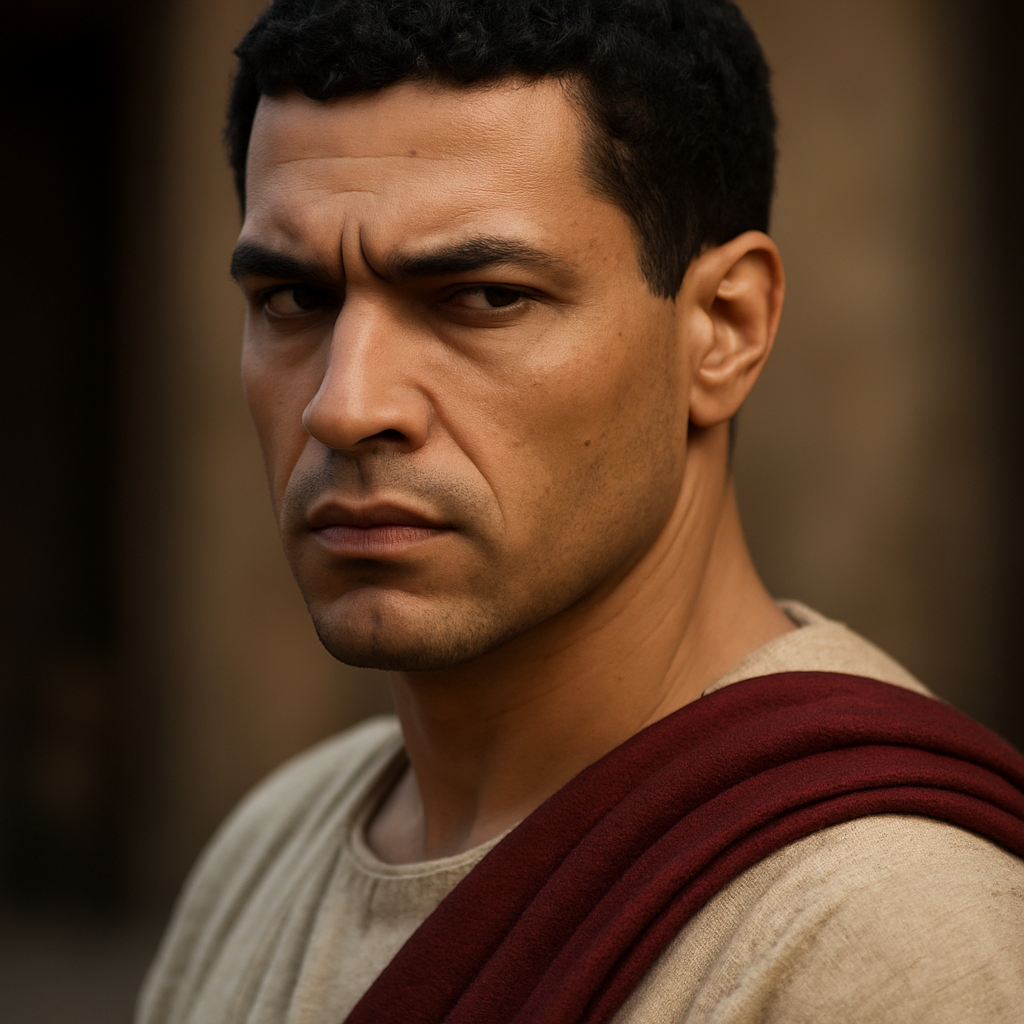
Casca in Julius Caesar
Major character
A blunt Roman nobleman and one of the conspirators who first reports Caesar’s crowning attempt and later stabs Caesar.
Who is Casca?
Casca is a sharp-tongued, plain-speaking Roman aristocrat who functions as a candid observer and an active participant in the plot against Julius Caesar. He opens the conspiracy’s public narrative by reporting how Antony offered Caesar a crown and how Caesar played to the people, a recital that helps convince others of Caesar’s ambition. Casca also experiences and reports disturbing omens—a burning-hand slave, a lion at the Capitol, women on fire, and an owl at noon—which feed the conspirators’ sense that the gods and Rome itself portend political upheaval. He is one of the group that visits Brutus to press him toward murder, and on the day of the assassination Casca is the first to strike Caesar. Throughout the recorded scenes he wants to resist what he and his peers see as Caesar’s dangerous elevation; he acts by supplying plain fact, by affirming omens as warning, and by taking direct part in the violence intended to preserve the Republic.
In the book: We first meet Casca as a sharp-tongued Roman aristocrat who’s unimpressed by the street celebrations and quick to mock the crowd’s fawning over Caesar. He bluntly recounts how Antony offered Caesar a crown and how Caesar played to the people, and later he’s spooked by strange omens in the night, which he treats as serious warnings. His dryness and plain speaking make him a useful barometer for how uneasy Rome feels.
Personality
- blunt
- He bluntly tells Cassius and Brutus the exact details of Antony offering the crown and Caesar’s fainting in Act 1, Scene 2.
- skeptical
- He mocks the crowd’s fawning and treats public adulation of Caesar with contempt in the opening procession scene.
- superstitious
- He reacts with alarm to the night’s strange portents—burning hands, a lion, men on fire, and an owl at midday—and treats them as serious warnings in Act 1, Scene 3.
- decisive
- He is the first conspirator to stab Caesar during the assassination in Act 3, Scene 1.
- observant
- He serves as a barometer of public feeling, reporting details about Cicero, the tribunes’ punishment, and the public honors offered to Caesar in Act 1, Scene 2.
Character arc
Casca appears first as a cynical eyewitness whose plain speech punctures public spectacle; in the procession he narrates Caesar’s humiliating brush with a crown and scorns the crowd’s adulation. That skeptical voice deepens into anxious conviction when he witnesses a series of unnatural omens by night and interprets them as portents of political danger—his tone shifts from mockery of crowds to genuine alarm about Rome’s fate. He moves from reporting events to taking action: he joins Cassius’s scheme to recruit Brutus and to manipulate public opinion, and ultimately his participation culminates in violence when he becomes the first to stab Caesar at the Capitol. After the assassination he appears only in the conspirators’ immediate aftermath—his role has moved from commentator to principal agent of the conspiratorial violence, and he remains aligned with the conspirators’ aim to check Caesar’s power rather than reflecting on the broader consequences of the murder for Rome.
Relationships
- Cassius An ally and recruiter—Cassius works with Casca to rouse Brutus and uses Casca’s reports and presence to advance the conspiracy.
- Brutus A target of persuasion—Casca helps press and flatter Brutus into joining the plot, and later participates in the killing Brutus leads.
- Mark Antony A political opponent by implication—Casca reports Antony’s offering of the crown to Caesar and later is part of the group whose act sets Antony’s funeral rhetoric in motion.
- Cicero A conversational counterpart—Casca recounts omens to Cicero in the storm and hears Cicero’s warning about interpreting signs to suit oneself.
- Decius Brutus A fellow conspirator—Decius volunteers to bring Caesar to the Senate despite bad omens while Casca participates in the plot that unfolds there.
- Trebonius A coordinating conspirator—Trebonius draws Antony away from Caesar during the assassination, enabling Casca and the others to strike.
Quotes by Casca
“I have seen tempests, when the scolding winds Have riv’d the knotty oaks; and I have seen Th’ ambitious ocean swell and rage and foam... But never till tonight, never till now, Did I go through a tempest dropping fire.”
Act 1, Scene 3Casca lists the night’s prodigies to convey the terrifying strangeness of the storm and to justify alarm about political omens.
Why Casca matters
Casca functions as the play’s practical eyewitness and early moral thermometer: his blunt reporting of the crown incident and his belief in ominous signs give the conspirators both factual and superstitious justification for action. As the first to stab Caesar, he embodies how public discontent and fear translate into political violence. His plain-speaking stance underscores themes of appearance versus reality (crowd spectacle vs. private motives), the role of omens and public opinion in political change, and the way ordinary acts of witness and participation can escalate into regime-shaking deeds.
Chapters with Casca
More Julius Caesar characters
 BrutusProtagonist
 CassiusAntagonist
 Mark AntonyAntagonist
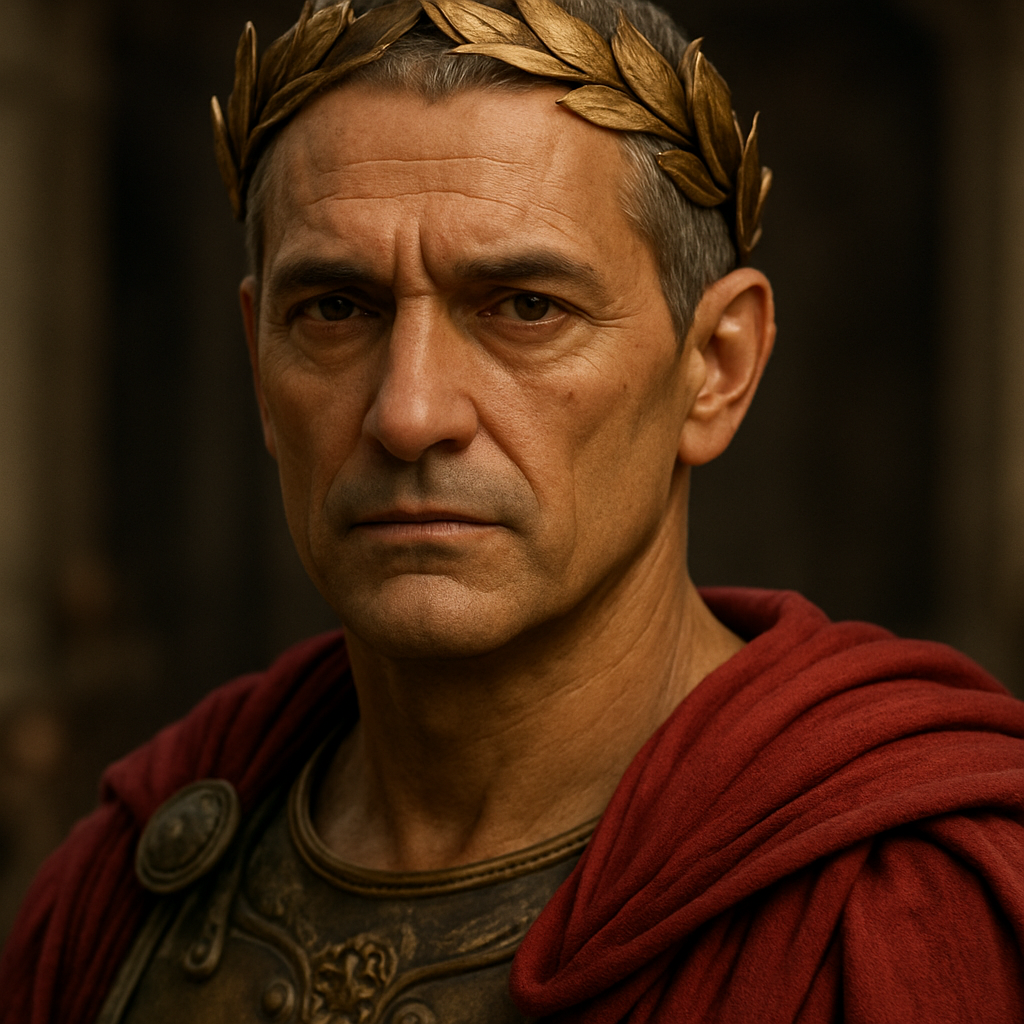 Julius CaesarProtagonist
 LuciliusMajor character
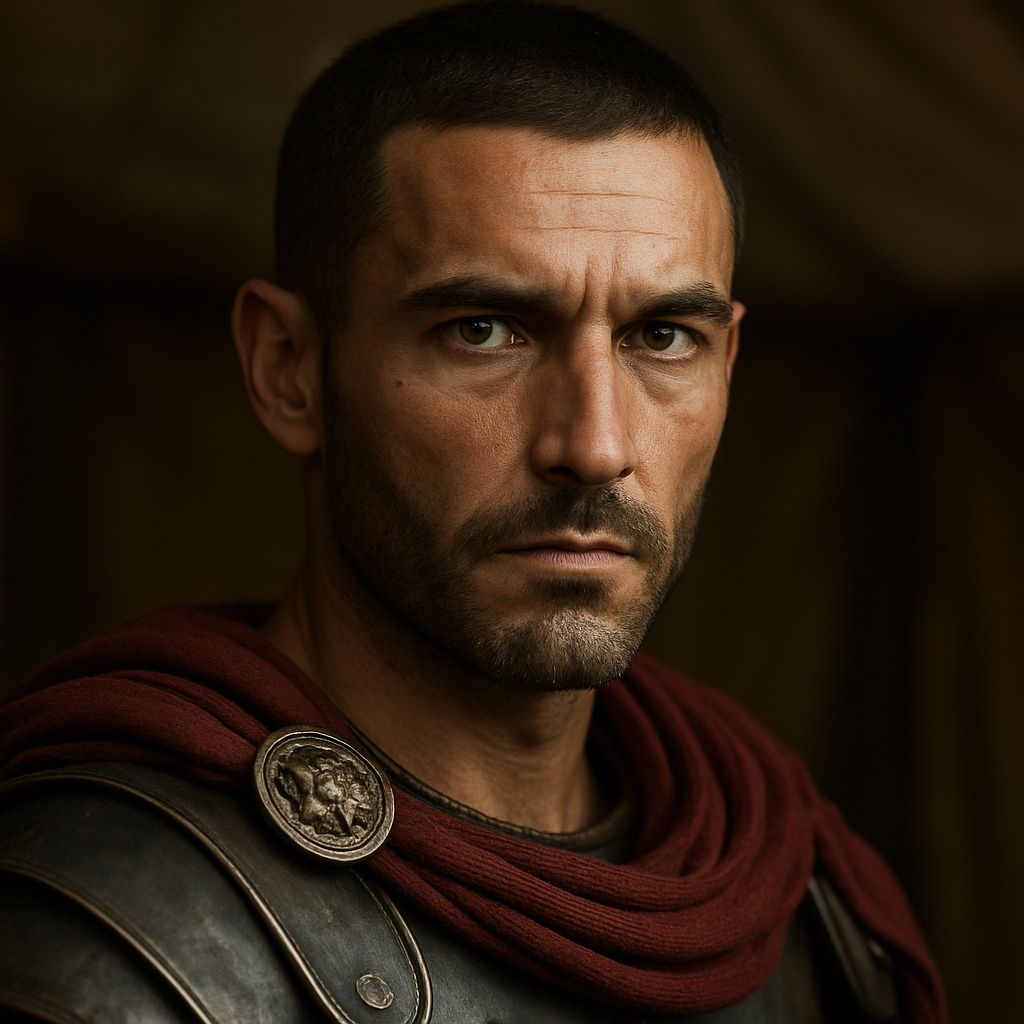 TitiniusMajor character
 Decius BrutusMajor character
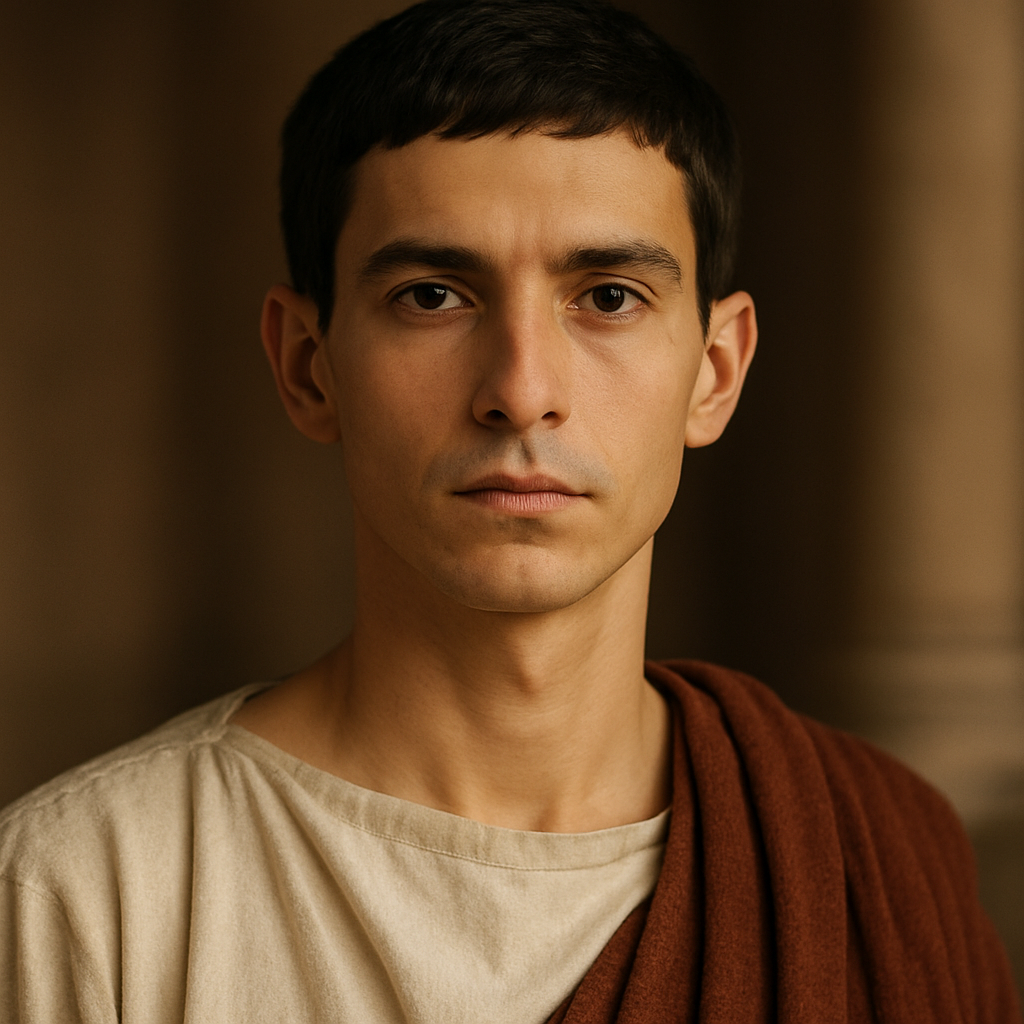 Octavius CaesarMajor character
All chapter summaries ›Characters ›
Read Julius Caesar illustrated
Every scene in these notes comes from the Book2Life reader, where the full public-domain text is illustrated as you read, with character portraits and narration. Free in your browser and on iPhone.
