Caesar in Julius Caesar
Major character
Rome's leading figure whose rise alarms conspirators; his death and testament ignite public fury.
Who is Caesar?
Julius Caesar is the prominent Roman leader whose accumulation of power worries Brutus and other senators. Conspirators debate and plan to remove him to prevent one-man rule; they decide to lure him to the Capitol despite ominous warnings. A Soothsayer circles the route and watches for Caesar’s passage, and one conspirator, Decius Brutus, volunteers to persuade Caesar to go in spite of bad omens. Caesar appears in the public sphere as a figure both feared and loved: his body later lies in the Forum, and Mark Antony uses Caesar’s wounds and his will to turn public opinion against the conspirators. Caesar’s corpse and testament become a catalyst for mob outrage and for Antony’s campaign to avenge him, transforming a private conspiracy into public violence.
Personality
- Powerful
- Conspirators plan to kill him because his rise threatens the republic and prompts talk of preventing one-man rule.
- Dismissive of omens
- Conspirators arrange for Decius Brutus to persuade him to go to the Capitol despite bad omens and a Soothsayer’s watch.
- Publicly revered
- Citizens greet his memory with affection; Antony displays Caesar’s mantle and wounds to move the crowd.
- Symbolic
- After his death, Caesar’s body and his will become the focal point of Antony’s speech, spurring the people to rage.
Character arc
Caesar enters the action as the powerful Roman leader whose prominence provokes a secret conspiracy. Although omens and a Soothsayer signal danger around his person, conspirators work to ensure he attends the Capitol; Decius Brutus takes on the role of persuader so that Caesar will leave home and be exposed. By the time he next appears in the narrative, Caesar lies dead—his corpse placed before the public. The shift from commanding ruler to fallen symbol is swift: he no longer acts in the drama but functions as the motive for others’ speeches and deeds. Antony’s use of Caesar’s wounds and the reading of his will converts the private act of the conspirators into popular outrage, making Caesar’s death the pivot that destabilizes Rome and propels the play’s ensuing conflict.
Relationships
- Brutus Brutus is one of the conspirators who rationalizes Caesar’s removal as a noble act for Rome and helps justify the killing.
- Mark Antony Antony is Caesar’s loyal associate who displays Caesar’s body and reads his will to sway the people against the conspirators.
- Decius Brutus Decius volunteers to reframe bad omens and persuade Caesar to go to the Capitol, ensuring he will be present when the conspirators act.
- Soothsayer The Soothsayer shadows Caesar’s passage and expresses fear, attempting to warn or influence events around Caesar’s movement.
- Cassius Cassius is one of the leading conspirators whose earlier efforts help incite those who fear Caesar’s power.
- Citizens (the crowd) The Roman populace is emotionally tied to Caesar; their affection becomes the lever Antony uses when he presents Caesar’s wounds and will.
Why Caesar matters
Caesar embodies the play’s exploration of power, public opinion, and political violence. His prominence and the conspirators’ fear of tyranny provoke questions about legitimate rule, moral justification for murder, and the tension between private motive and public consequence. After his death, Caesar functions less as an actor and more as a rhetorical and symbolic tool: his wounds and his will allow Antony to manipulate the crowd, demonstrating how language and spectacle can transform political reality. Thus Caesar’s fate highlights how authority and reputation, once shattered, can unleash forces beyond any individual's control.
Chapters with Caesar
More Julius Caesar characters
 BrutusProtagonist
 CassiusAntagonist
 Mark AntonyAntagonist
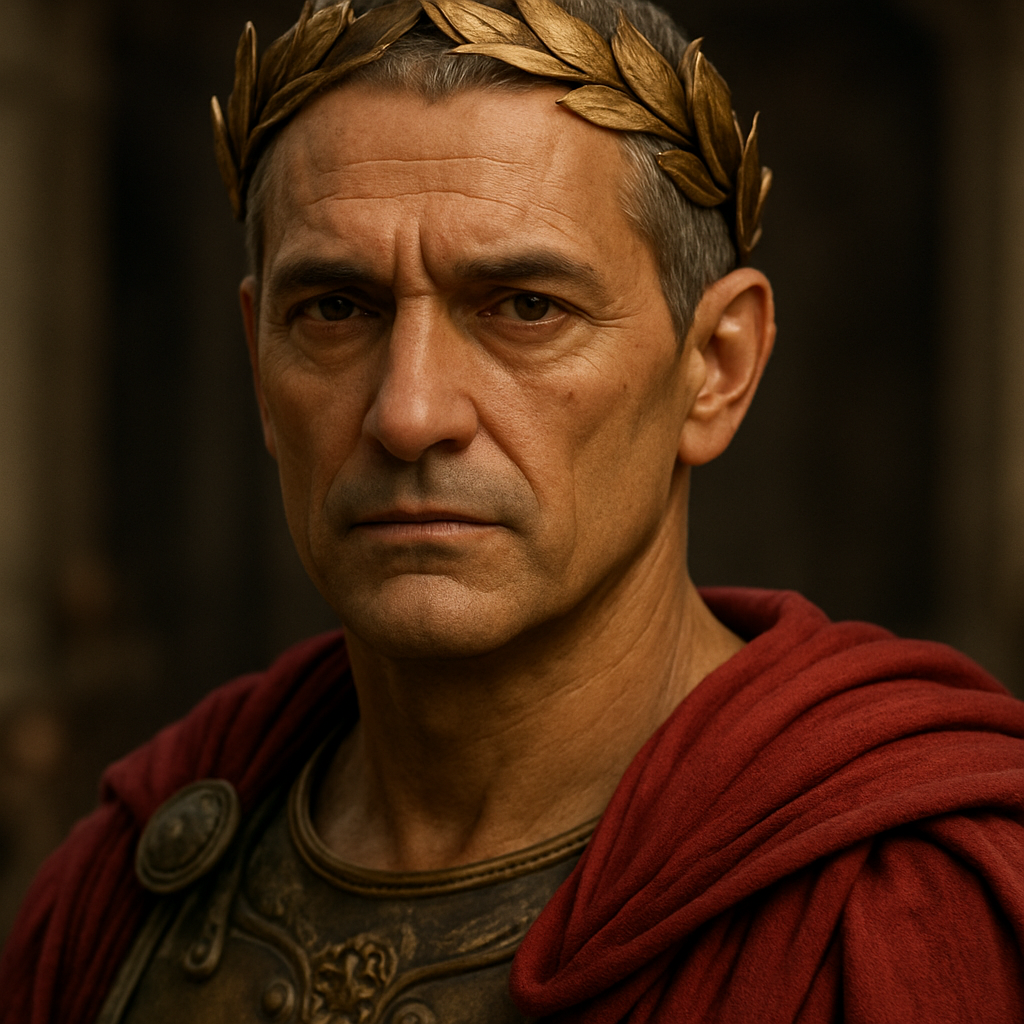 Julius CaesarProtagonist
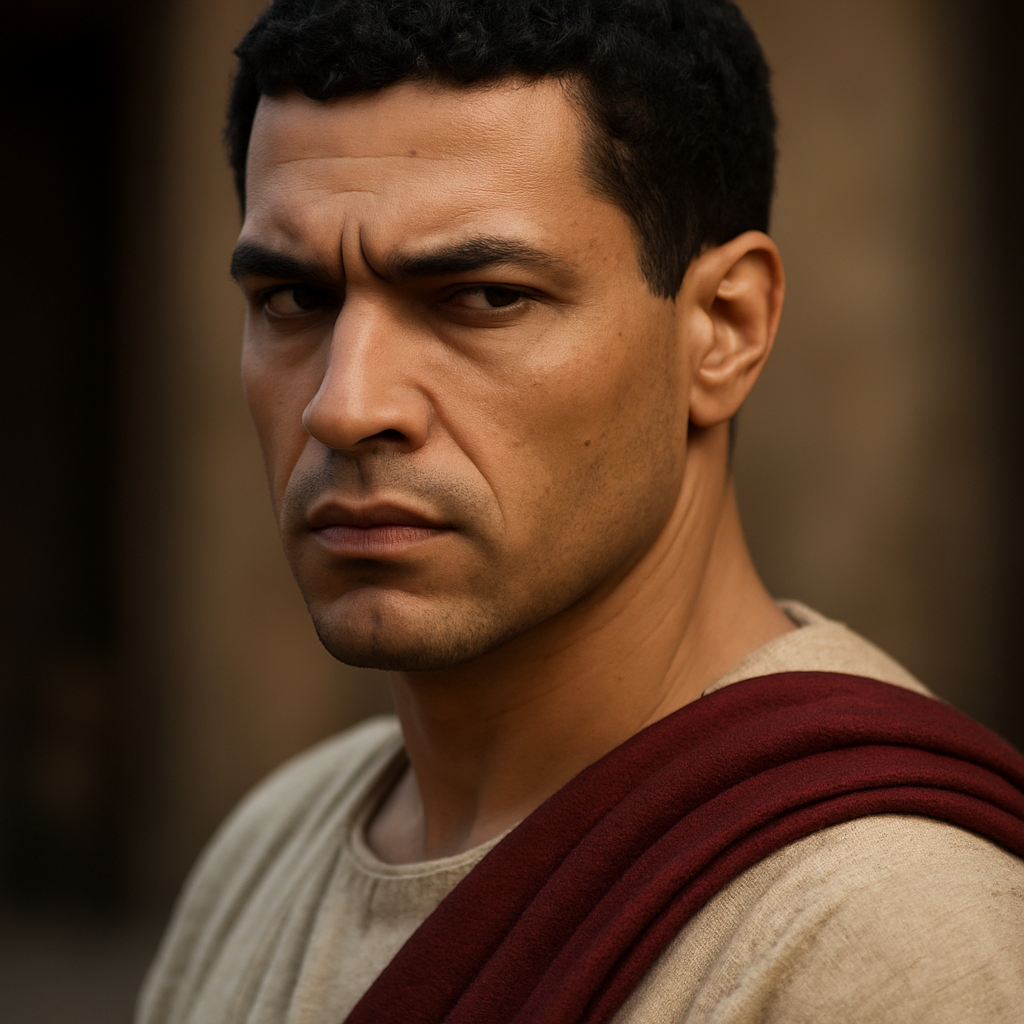 CascaMajor character
 LuciliusMajor character
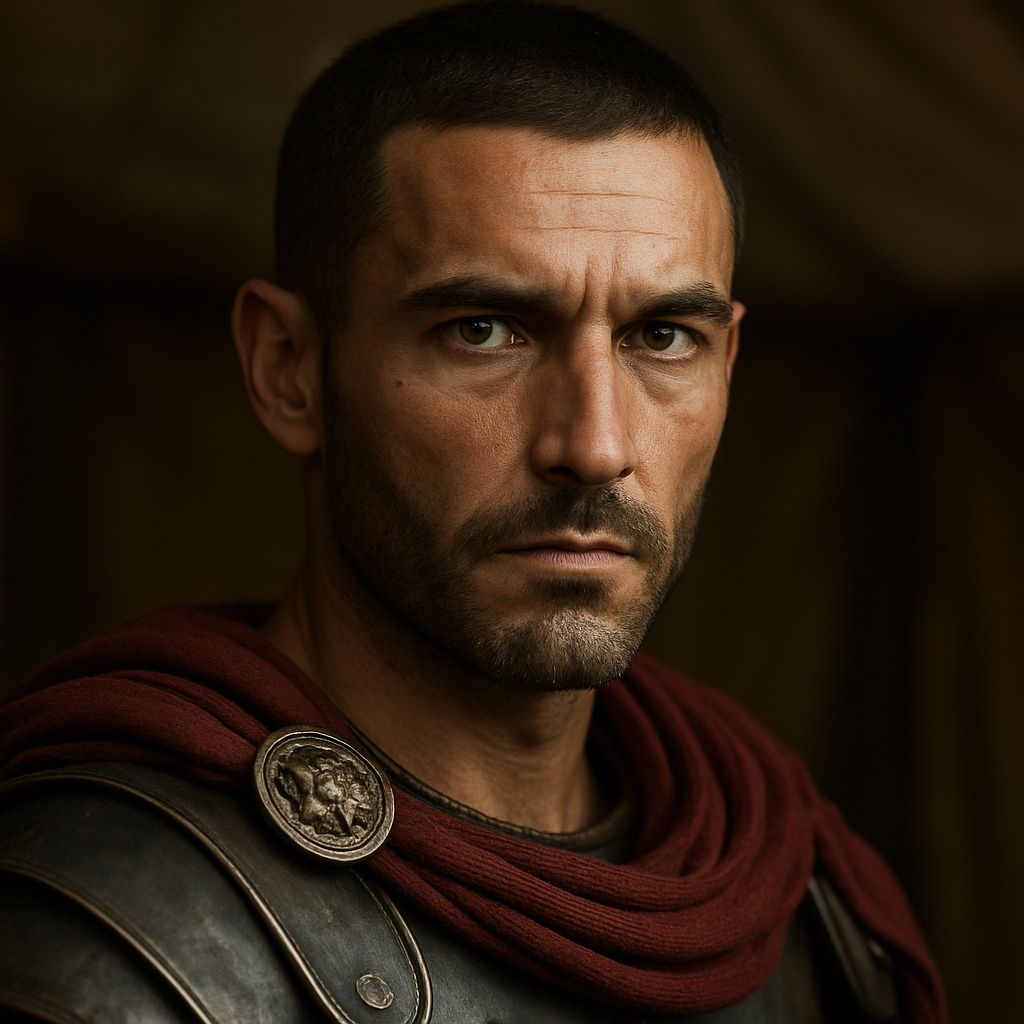 TitiniusMajor character
 Decius BrutusMajor character
All chapter summaries ›Characters ›
Read Julius Caesar illustrated
Every scene in these notes comes from the Book2Life reader, where the full public-domain text is illustrated as you read, with character portraits and narration. Free in your browser and on iPhone.
