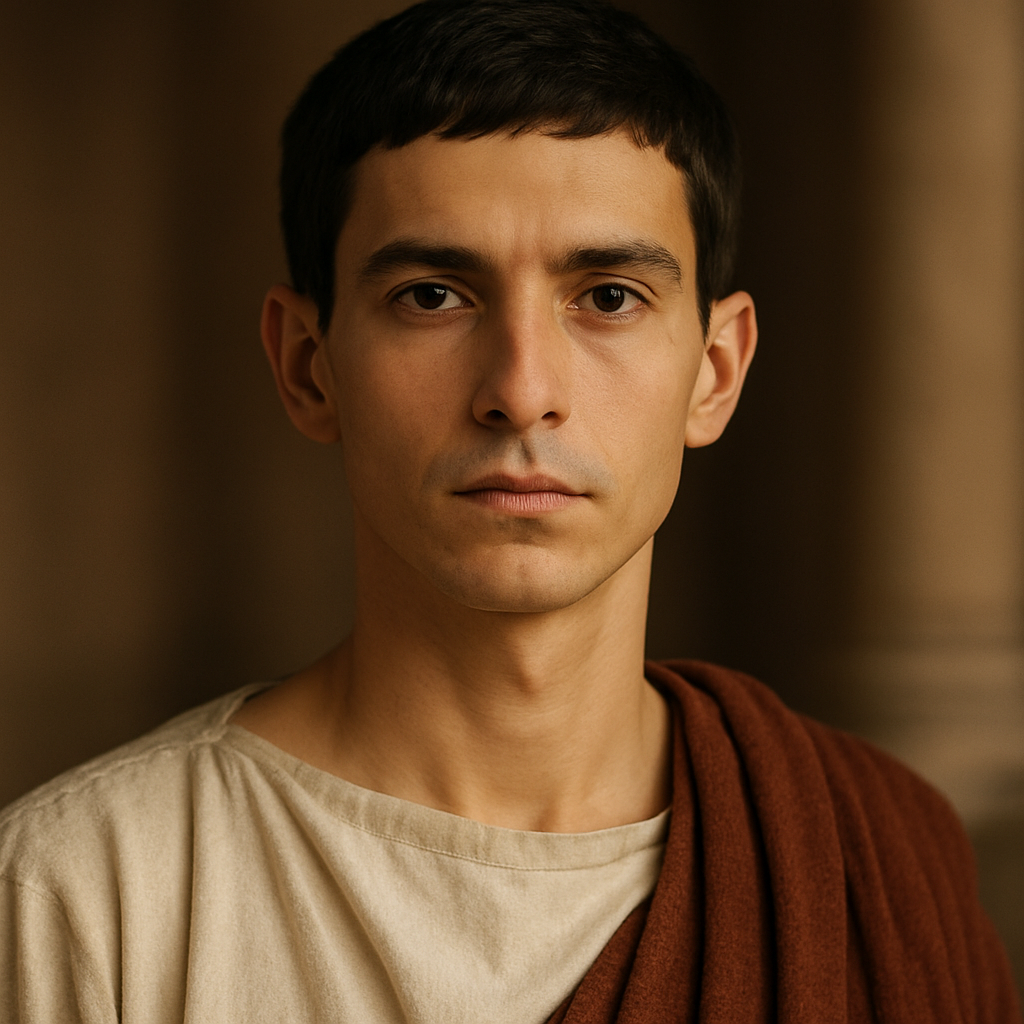
Octavius Caesar in Julius Caesar
Major character
Julius Caesar’s adopted heir who arrives reserved, asserts authority, and helps lead the opposition that avenges Caesar.
Who is Octavius Caesar?
Octavius Caesar first appears as the quiet, newly arrived adopted heir of Julius Caesar. He speaks little but observes and moves with composed resolve, matching Mark Antony’s confidence with measured authority. After Antony summons him to Rome following Caesar’s assassination, Octavius joins Antony and Lepidus as one of the triumvirs who oppose Brutus and Cassius. On the plains of Philippi he takes his place as a commander, arguing deployment with Antony, vowing to avenge Caesar’s murder, and standing as a central figure during the final engagements. In the aftermath of Brutus’s suicide he orders Brutus’s body honored and participates in the consolidation of victory. Octavius’s actions are restrained but decisive: he listens, issues commands, and represents the continuity of Caesar’s power through military and political leadership. Though he rarely speaks at length, his presence shifts the balance of authority and helps finalize the conflict that began with the assassination.
In the book: When we first meet him, he’s Octavius, Julius Caesar’s adopted heir—a quiet but steel‑spined newcomer just arriving to claim his place in Rome. He speaks little, listens hard, and matches Mark Antony’s confidence with cool, measured authority.
Personality
- Reserved
- Arrives in Rome speaking little and listens hard while Antony directs the response after Caesar’s murder.
- Resolute
- Vows that Caesar’s wounds will be avenged when confronting Brutus and Cassius on the plains of Philippi.
- Commanding
- Argues with Antony over troop deployment and takes his place as a general on the battlefield at Philippi.
- Measured
- Matches Antony’s confidence with cool authority, choosing action through limited but firm commands.
Character arc
Octavius’s role is steady rather than transformative. He is introduced as the adopted heir newly arriving to claim a place in the aftermath of Caesar’s death; his first substantive action is to be hurried to Rome by Antony, indicating both his importance and his initial passivity. As events unfold, Octavius grows into his role as a leader: he moves from being summoned to being a decisive participant in military planning, contesting Antony over deployments and vowing vengeance for Caesar. On the plains of Philippi he stands as one of the commanders who confront Brutus and Cassius, contributing to the pressure that leads to their defeat. At the end, after Brutus’s suicide, Octavius issues orders to honor the dead and to receive Brutus’s attendants, demonstrating his consolidation of authority and his control over the postbattle settlement. Throughout, Octavius remains composed and controlled—he does not undergo a dramatic personal change but rather accrues responsibility and exercises it with quiet firmness until the conflict resolves in his faction’s favor.
Relationships
- Mark Antony Ally and co-commander; he matches Antony’s forceful energy with cooler authority and quarrels briefly with him over deployment.
- Julius Caesar Adopted heir and successor figure whose assassination propels Octavius into action; Octavius vows to avenge Caesar’s wounds.
- Lepidus Fellow triumvir listed with Antony and Octavius as part of the leadership opposed to the conspirators.
- Brutus Opponent and moral foil; Octavius confronts Brutus on the plains of Philippi and later oversees honors for Brutus’s body after his suicide.
- Cassius Military enemy who faces Octavius on the field at Philippi as part of the opposing command.
- Messala Officer on the field who reports to the commanders and helps convey battlefield information to Octavius’s camp.
Quotes by Octavius Caesar
“When think you that the sword goes up again? Never, till Caesar’s three and thirty wounds Be well aveng’d; or till another Caesar Have added slaughter to the sword of traitors.”
Act 5, Scene 1Octavius vows vengeance and frames the battle as payback for Caesar’s assassination, raising the stakes for the coming fight.
Why Octavius Caesar matters
Octavius embodies the consolidation of authority that follows Caesar’s assassination. His composed, resolute presence contrasts with the rhetorical drama of Antony and the philosophical arguments of Brutus, emphasizing political and military continuity over rhetorical justification. By representing Caesar’s legacy and insisting on vengeance and order, Octavius helps to close the play’s cycle of violent upheaval and to show how power coalesces after chaos. His measured command highlights themes of ambition, succession, and the practical mechanics of politics in the wake of ideological conflict.
Chapters with Octavius Caesar
More Julius Caesar characters
 BrutusProtagonist
 CassiusAntagonist
 Mark AntonyAntagonist
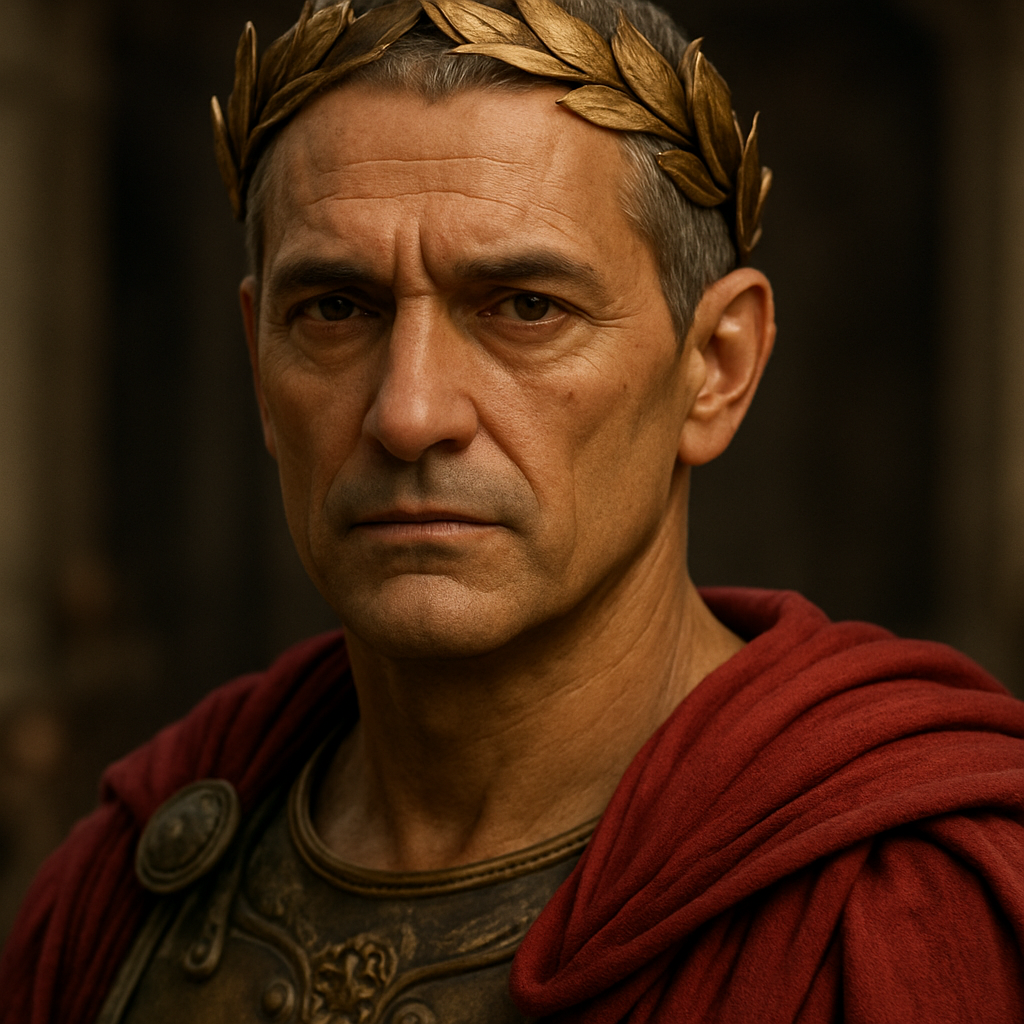 Julius CaesarProtagonist
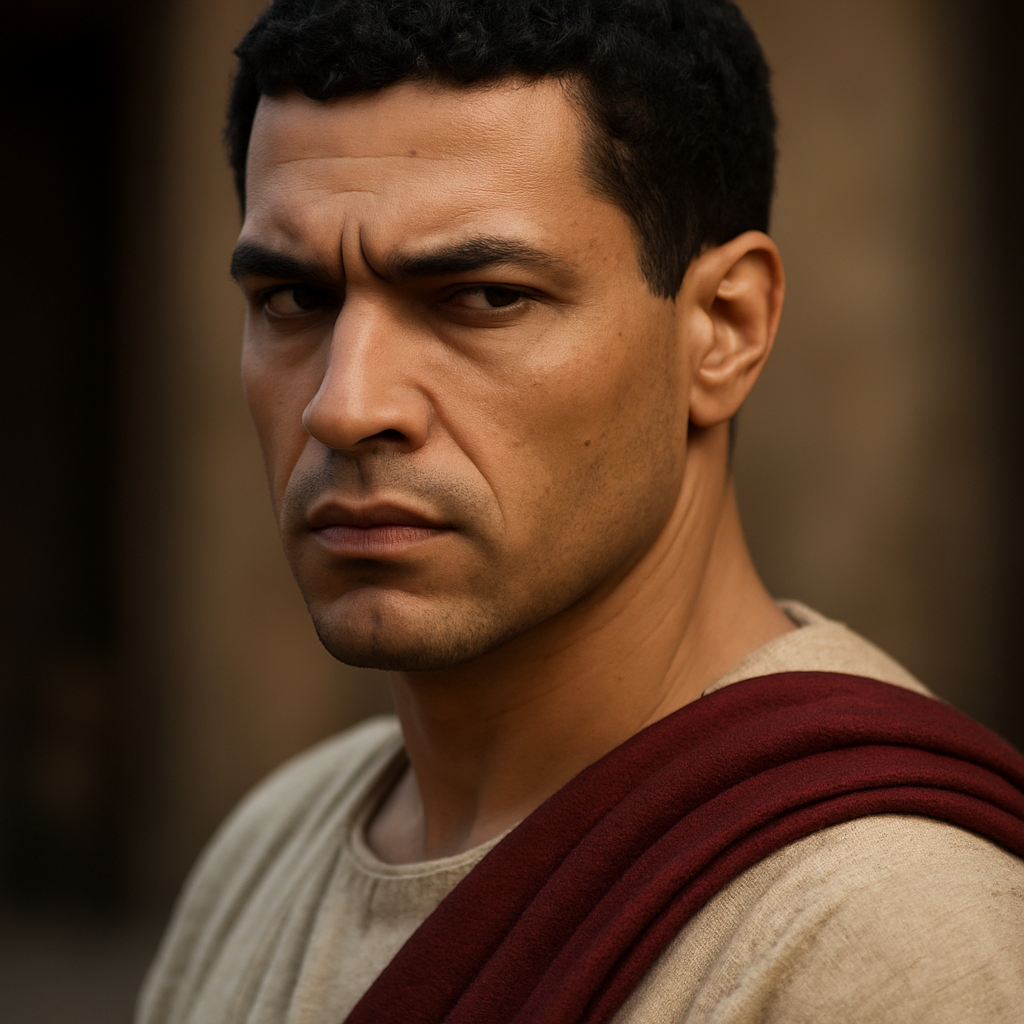 CascaMajor character
 LuciliusMajor character
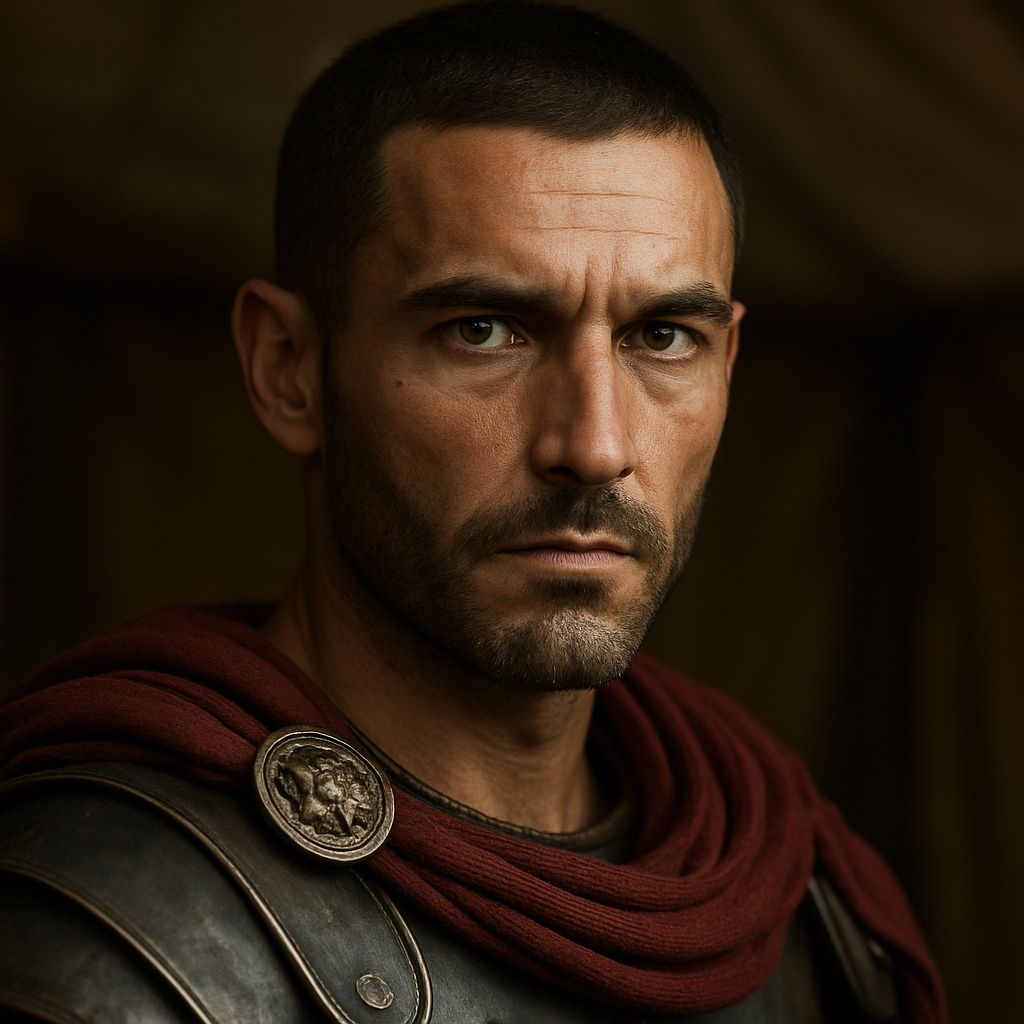 TitiniusMajor character
 Decius BrutusMajor character
All chapter summaries ›Characters ›
Read Julius Caesar illustrated
Every scene in these notes comes from the Book2Life reader, where the full public-domain text is illustrated as you read, with character portraits and narration. Free in your browser and on iPhone.
