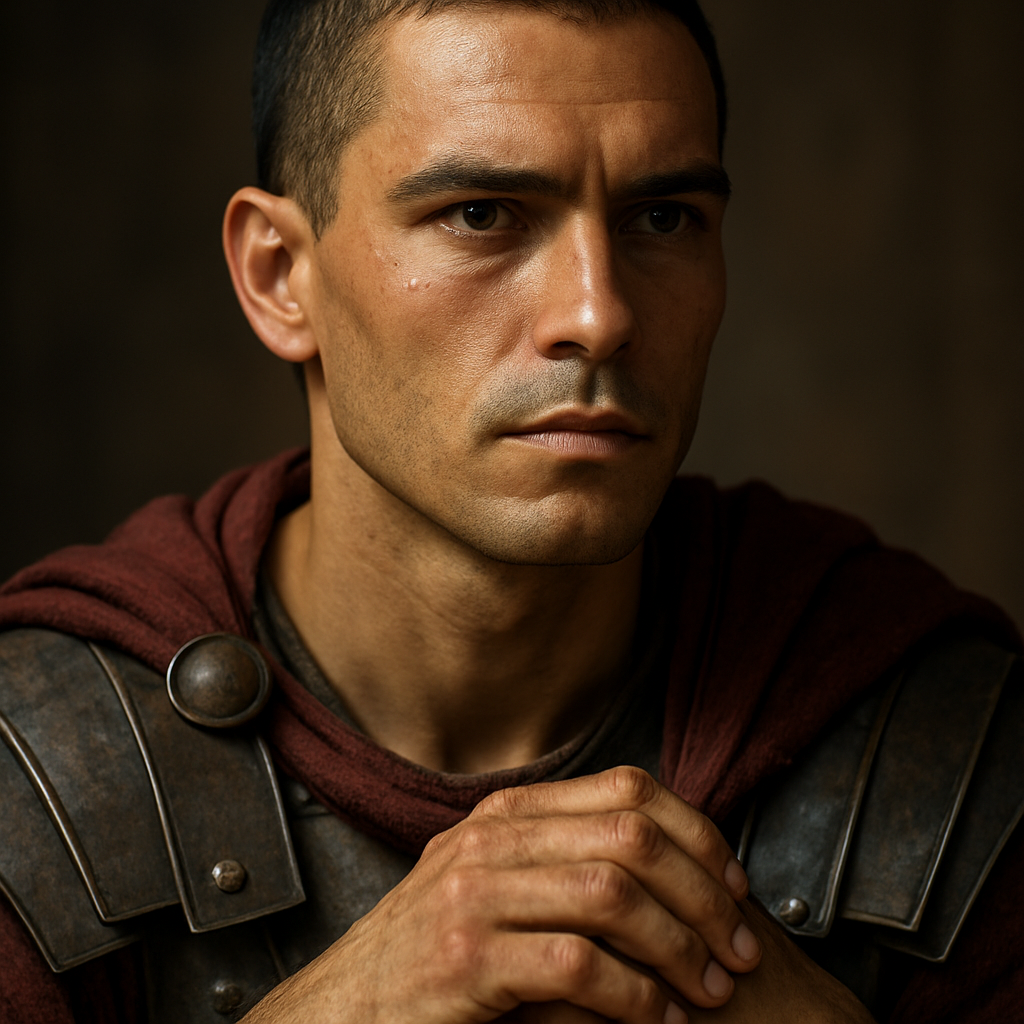
Strato in Julius Caesar
Minor character
A quiet, reliable attendant to Brutus who holds the sword for Brutus’s suicide and stays with the body afterward.
Who is Strato?
Strato is one of Brutus’s loyal attendants and soldiers who appears at key moments in the final act. He is a calm, obedient presence in Brutus’s camp and is kept close because Brutus trusts him in tense, private situations. When Brutus decides his life must end after defeat, Strato obeys the intimate and terrible request to hold the sword so Brutus can run upon it, an act that makes Brutus’s death possible. After Brutus falls, Strato remains with the body and answers questions from Messala about how Brutus died, asking afterward to be recommended for continued service. Strato’s actions are practical and understated; he performs the physical tasks others refuse and provides a steady hand at the story’s emotional climax. He does not speak at length or offer public commentary, but his compliance and composure are crucial to the closing resolution of Brutus’s tragic arc.
In the book: When you first meet Strato, he’s one of Brutus’s quiet, reliable attendants in camp, the kind of soldier who listens more than he speaks. He matters because Brutus trusts his calm presence during tense moments and keeps him close.
Personality
- quiet
- Strato appears as a composed attendant who listens more than he speaks and performs tasks without fanfare in Brutus’s final scene.
- reliable
- Brutus specifically keeps Strato close and later asks him to hold the sword—an intimate request he trusts Strato to carry out.
- obedient
- When Brutus asks Strato to hold the sword so he can run on it, Strato complies while other friends refuse.
- practical
- After Brutus’s death, Strato calmly explains to Messala exactly how Brutus died and requests a recommendation for continued service.
Character arc
Strato enters as a steady attendant in Brutus’s camp and remains largely the same in temperament: quiet, obedient, and practical. He does not undergo a dramatic inner transformation; instead his role becomes more consequential. Early on he is one of several trusted servants kept near Brutus during stressful hours. At the story’s climax, when Brutus chooses suicide rather than capture, Strato’s steadiness is tested—friends refuse to assist, but he holds the sword as Brutus runs upon it, making the death possible. After Brutus falls, Strato continues to act with composure, answering Messala’s question about Brutus’s end and asking to be recommended for service, which shows his concern for duty and future prospects. His arc is less about changing beliefs and more about the intensification of responsibility: a background figure who, when called, performs the decisive, intimate act others will not, and then faces the immediate aftermath with the same restrained reliability.
Relationships
- Brutus Brutus’s trusted attendant who holds the sword so Brutus can commit suicide and remains with his body afterward.
- Clitus A fellow companion who refuses Brutus’s request to assist in his death, contrasting with Strato’s obedience.
- Volumnius Another friend and soldier who also refuses to help Brutus kill himself, highlighting Strato’s unique compliance.
- Dardanius A companion present at Brutus’s final hour who flees rather than assist, while Strato stays to carry out Brutus’s request.
- Messala The officer who questions how Brutus died; Strato calmly explains the circumstances to him and requests a recommendation.
- Antony Antony finds Strato with Brutus’s body after the suicide and presides over the aftermath in which Strato is present.
Quotes by Strato
“I held the sword, and he did run on it.”
Act 5, Scene 5Strato succinctly reports the manner of Brutus' death to Messala and the victors, confirming Brutus' chosen end.
Why Strato matters
Strato matters thematically as the instrument of Brutus’s final assertion of agency and the practical executor of a private, honorable death. His obedience and silence contrast with the public rhetoric and violent spectacle that dominate the play: while the conspirators bathe in blood and politicians manipulate crowds, Strato’s quiet action makes possible a dignified end for Brutus. That the loyal servant rather than a comrade assists Brutus underscores themes of duty, loyalty, and the personal cost of political choices. Strato’s presence at the body and his request for a recommendation also gesture toward the continuing social order after the play’s political violence—life and service go on even after great men fall.
Chapters with Strato
More Julius Caesar characters
 BrutusProtagonist
 CassiusAntagonist
 Mark AntonyAntagonist
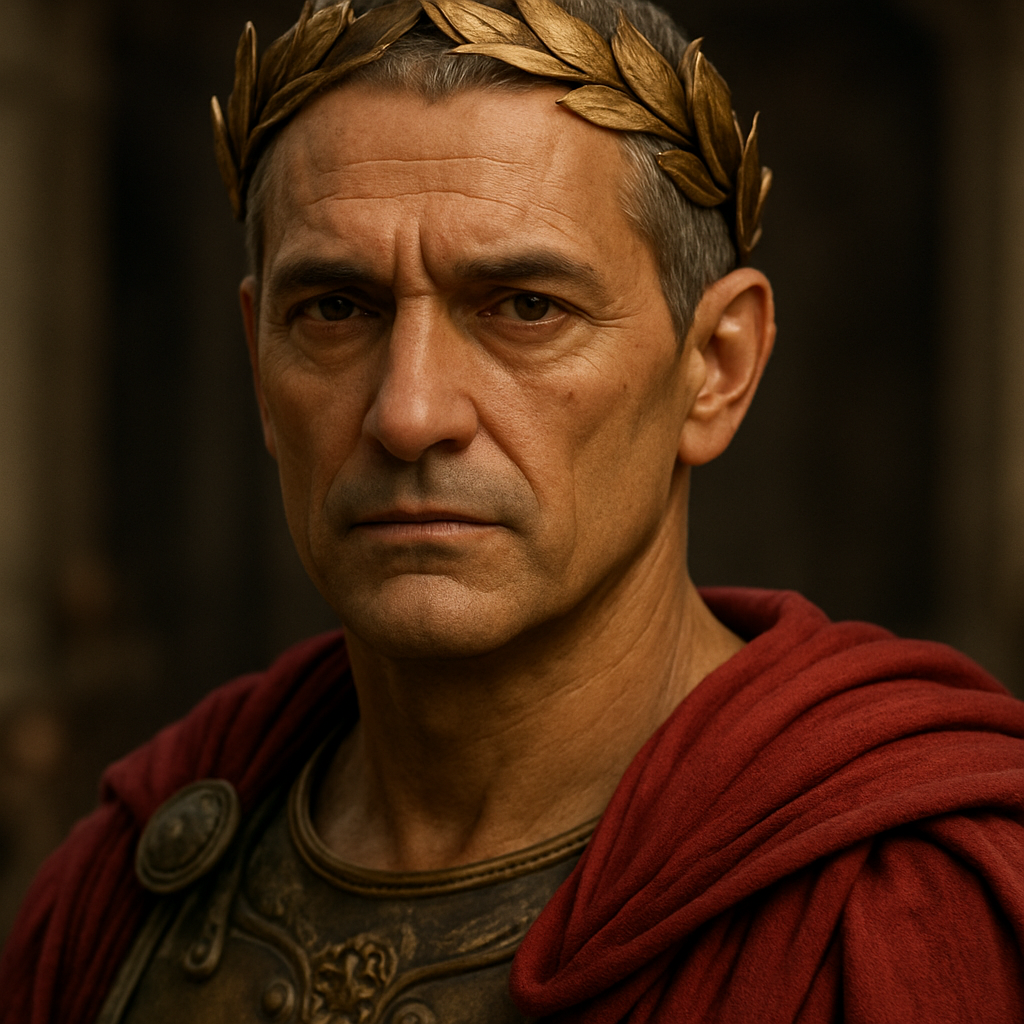 Julius CaesarProtagonist
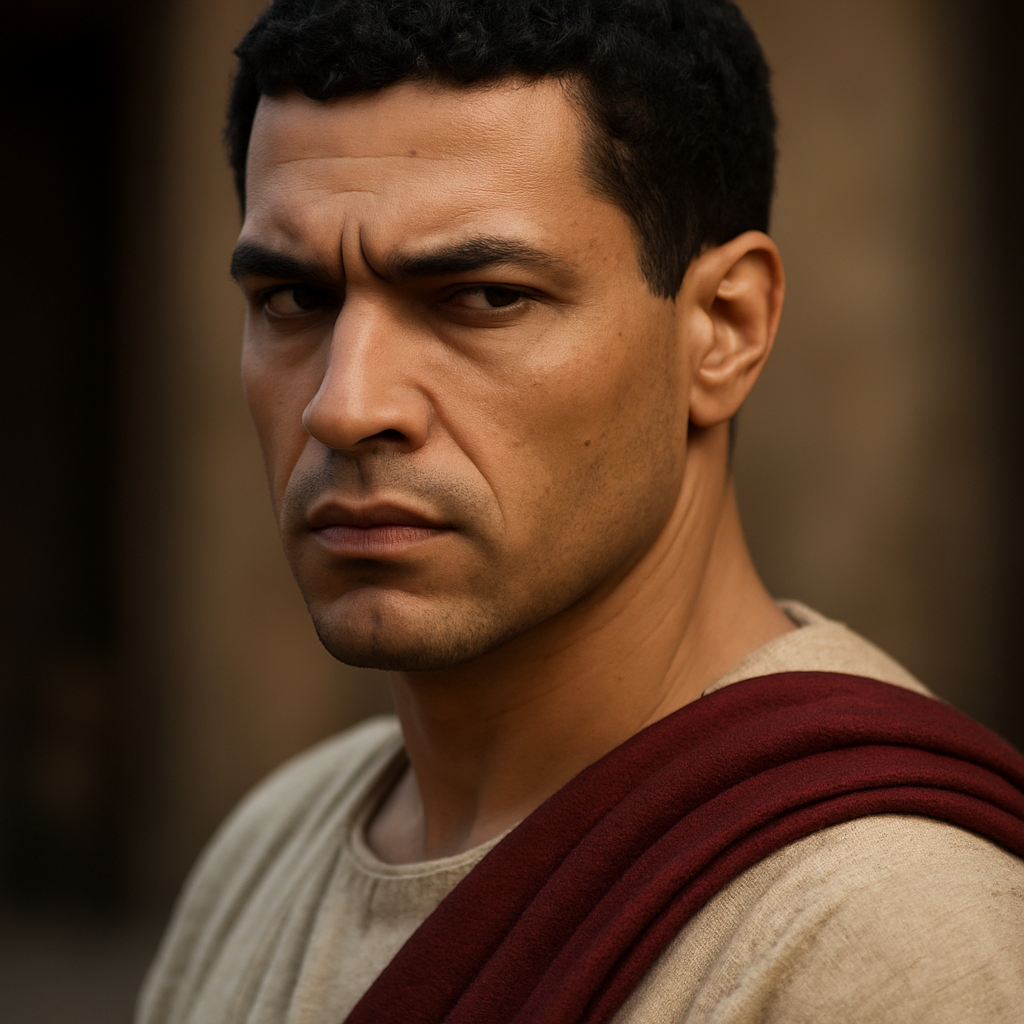 CascaMajor character
 LuciliusMajor character
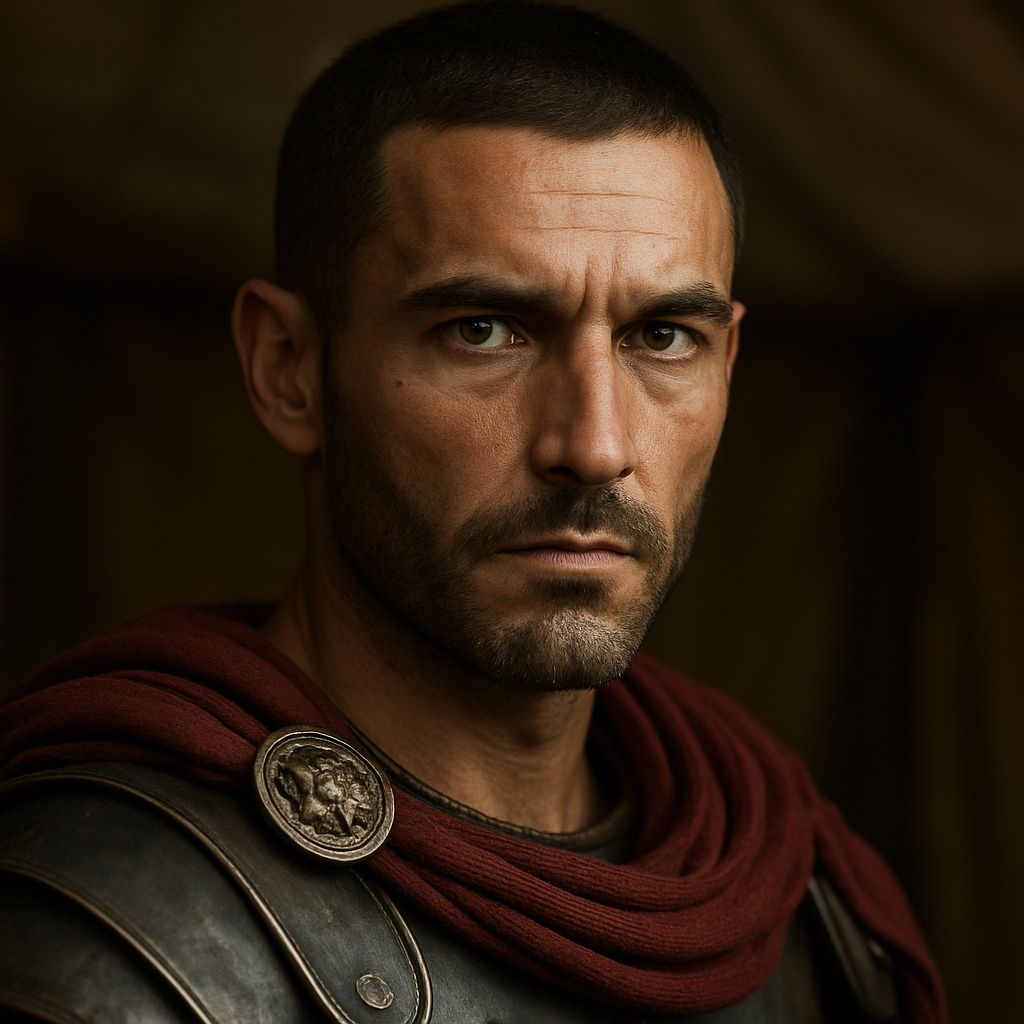 TitiniusMajor character
 Decius BrutusMajor character
All chapter summaries ›Characters ›
Read Julius Caesar illustrated
Every scene in these notes comes from the Book2Life reader, where the full public-domain text is illustrated as you read, with character portraits and narration. Free in your browser and on iPhone.
