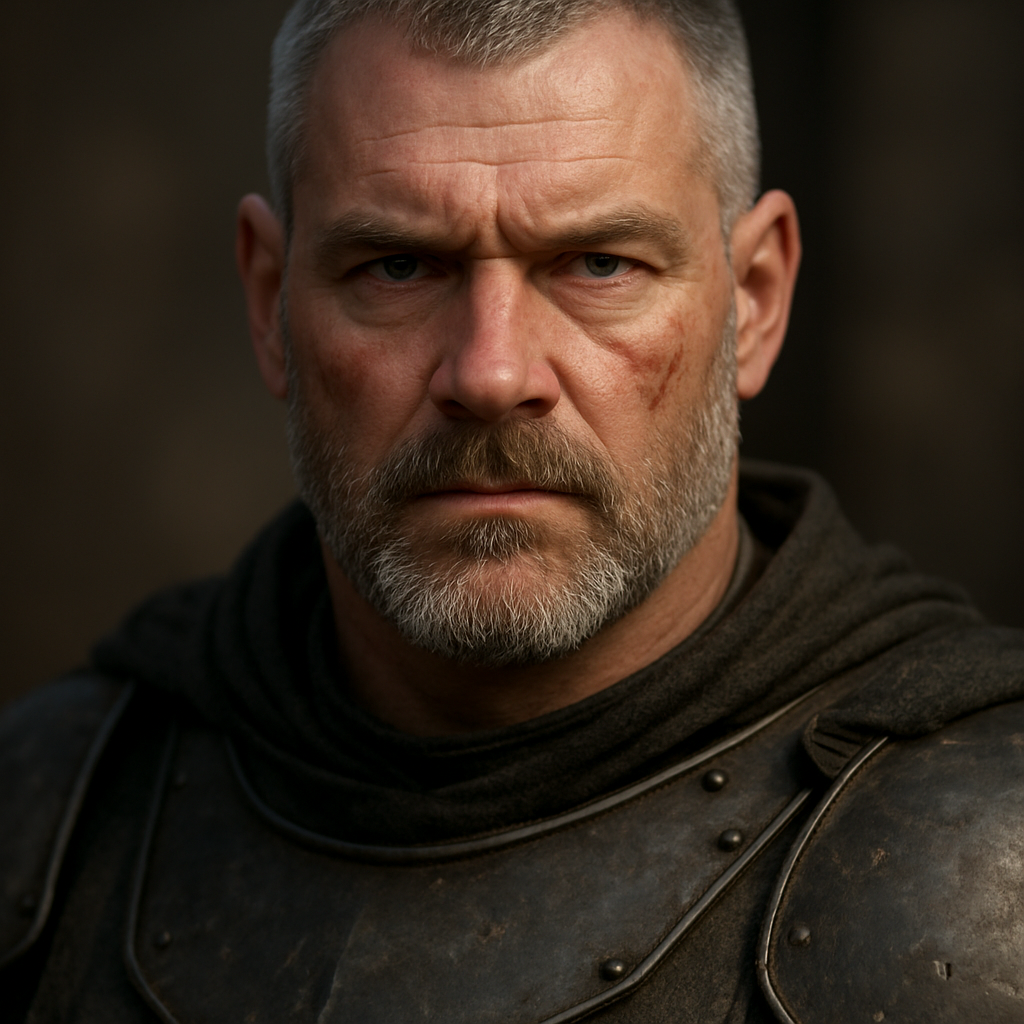
Siward in Macbeth
Major character
Seasoned English commander who brings military force to restore order in Scotland and fights at Dunsinane.
Who is Siward?
Siward is an experienced English earl who arrives with England’s military support to help Malcolm overthrow Macbeth. He provides disciplined, practical leadership rather than rhetoric, lending the legitimacy and strength of the English army to the Scottish rebellion. Across the scenes he is reported as one of the English commanders expected to join Macduff and Malcolm, is present in preparations for the march on Dunsinane, and takes part in the advance using Birnam Wood as cover. On the battlefield he fights alongside Malcolm’s forces; his son, Young Siward, is among the young soldiers and is killed by Macbeth. Siward reports his son’s honorable death and marches forward into the final engagements. He is a steady, no-nonsense military presence whose main contribution is the organized force and morale England supplies to unseat the tyrant.
In the book: We meet Siward as the seasoned English earl brought in to help set things right in Scotland, a no-nonsense commander whose name makes soldiers stand straighter. He’s practical, disciplined, and immediately respected, offering Malcolm the muscle and order of England’s army without fuss or bragging.
Personality
- practical
- Announced as the English commander who supplies 'muscle and order' and gives measured, tactical observations before the march from Birnam Wood (Act 5, Scene 4).
- disciplined
- Leads troops under Malcolm’s command and follows tactical orders to use boughs to disguise the army’s numbers (Act 5, Scene 4).
- resolute
- Joins the final assault on Dunsinane and presses forward with the captains to bring a decisive verdict against Macbeth (Act 5, Scene 4 and Act 5, Scene 8).
- stoic
- Receives and reports the death of his son calmly, confirming the young man died honorably after the castle falls (Act 5, Scene 8).
Character arc
Siward appears first as the expected English reinforcement whose name inspires confidence among Scots hoping to remove Macbeth. Early references frame him as part of the military aid Malcolm secures in England and as a necessary counterweight to Macbeth’s tyranny. He then takes an active command role in the invasion: joining Malcolm’s council, advancing with the army toward Birnam Wood, and participating in the tactical plan to mask their marching strength. On the battlefield his presence becomes personal when Young Siward confronts Macbeth and is slain; Siward endures this loss and reports his son’s honorable death rather than yielding to spectacle or blind rage. By the final scene Siward stands among the victors, confirming losses and supporting Malcolm’s restoration. He remains steady and functional throughout—he does not undergo a moral transformation but moves from promising reinforcement to a veteran commander who has paid the personal cost of war while helping to reestablish legitimate rule.
Relationships
- Malcolm Siward is an allied English commander who marches with Malcolm and provides military support to restore him to the throne; he is described as Malcolm’s uncle in the notes.
- Young Siward Siward’s son, a young soldier in the invading force who is killed in single combat by Macbeth.
- Macduff Ally in the campaign against Macbeth; Macduff fights alongside the English-led forces and shares the common goal of avenging Scotland.
- Lennox Scottish noble who expects Northumberland and Siward to join the English effort to depose Macbeth and coordinates hopes with fellow lords.
- Soldiers Siward commands and embodies disciplined soldiery, leading troops in the march and on the battlefield.
- Ross Fellow noble present among the leaders and witnesses to the advance and the final confirmation of losses and victory.
Quotes by Siward
“We learn no other but the confident tyrant Keeps still in Dunsinane, and will endure Our setting down before’t.”
Act 5, Scene 4Siward reports that Macbeth remains in Dunsinane and will endure their encampment, signalling a forthcoming siege.
“Thoughts speculative their unsure hopes relate, But certain issue strokes must arbitrate;”
Act 5, Scene 4Siward contrasts conjecture with decisive action, insisting that the outcome will be determined by battle, not speculation.
Why Siward matters
Siward represents the stabilizing force of external, disciplined power that helps end domestic tyranny; his presence underscores themes of legitimate authority restored through collective, organized action rather than lone ambition. The personal cost he endures—his son’s death—also highlights the human price of political cleansing and the sober, duty-bound nature of leadership in wartime. As a practical military figure, he contrasts with Macbeth’s isolated, prophetic delusions and helps turn moral outrage into focused political restoration.
Chapters with Siward
More Macbeth characters
 Macbeth
 Banquo
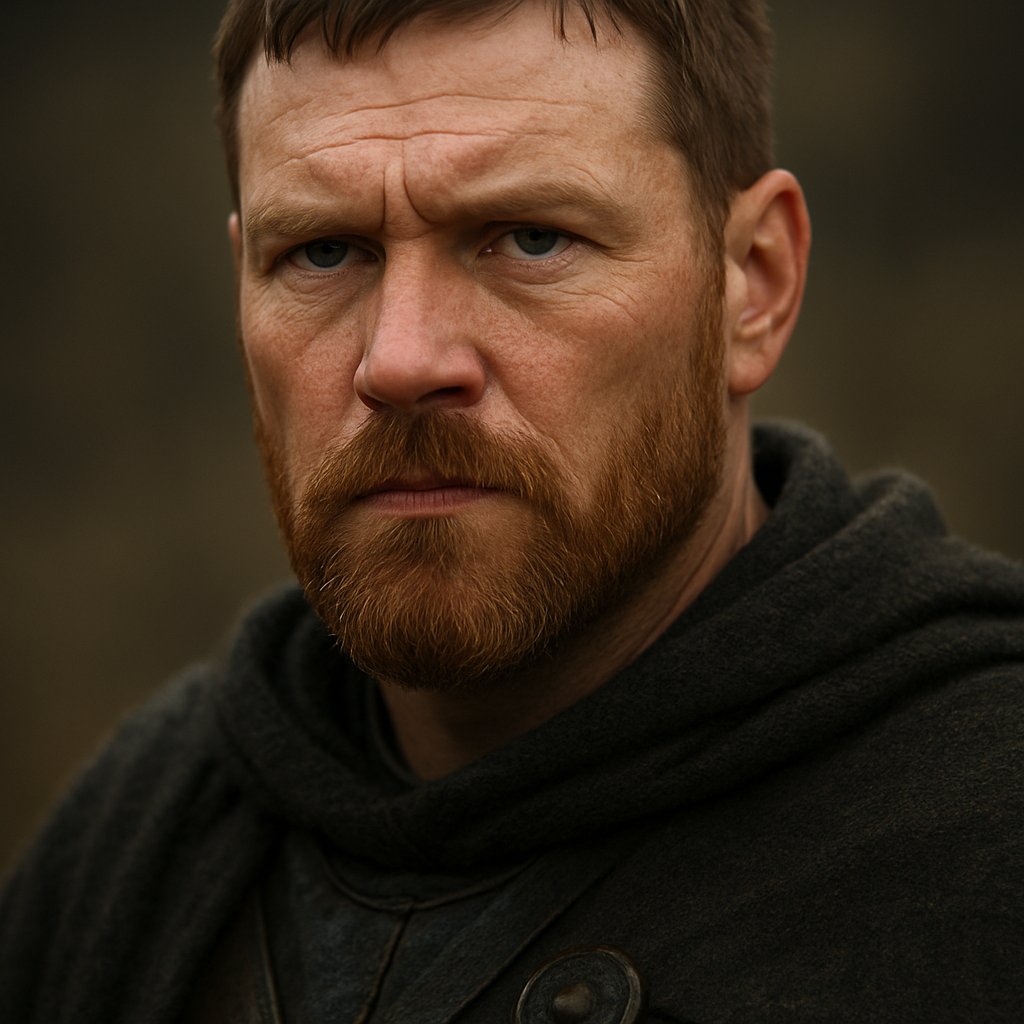 Macduff
 Malcolm
 Ross
Ross Lady Macbeth
 Lennox
 Duncan
All chapter summaries ›Characters ›
Read Macbeth illustrated
Every scene in these notes comes from the Book2Life reader, where the full public-domain text is illustrated as you read, with character portraits and narration. Free in your browser and on iPhone.
