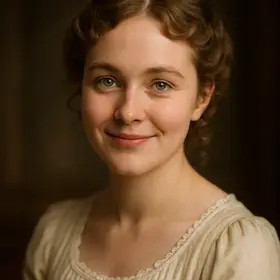
Celia Brooke in Middlemarch
Major character
Dorothea’s younger sister; practical, sociable, and steady—a conventional, warm counterpoint to Dorothea’s idealism.
Who is Celia Brooke?
Celia Brooke is the younger sister of Dorothea Brooke who lives at Tipton Grange with their uncle, Mr. Brooke. Comfortable within Middlemarch’s social norms, she enjoys ornaments and light social pleasures and often supplies a commonsense, affectionate response to Dorothea’s lofty projects. Celia acts as confidante and foil: she teases Dorothea over the jewel-casket (Ch.1), learns of and reacts with uneasy affection to Dorothea’s engagement to Casaubon (Ch.5–6), and becomes engaged herself to Sir James Chettam (Ch.28). She provides domestic steadiness when Dorothea endures widowhood and public curiosity, helping with household matters at Freshitt and showing practical impatience with prolonged mourning (Ch.50, Ch.54–55). Celia’s social ease and conventional judgments often highlight Dorothea’s moral struggles, and she participates in neighborhood talk—both the light gossip of Mrs. Cadwallader and the calmer family counsel—while remaining essentially warm-hearted and loyal to her sister throughout the narrative.
In the book: Celia Brooke is Dorothea’s younger sister and a practical, good-natured counterpoint to Dorothea’s lofty idealism. Moving comfortably within the social norms of Middlemarch, she provides commonsense commentary, emotional steadiness, and a domestic perspective that highlights the novel’s themes of duty, affection, and the everyday texture of provincial life—often acting as confidante and foil to her sister.
Personality
- Practical
- In Chapter 28 Celia announces that she has been engaged to Sir James Chettam for three days and delights in enjoying the engagement, showing her taste for conventional, tangible pleasures.
- Good-natured
- In Chapter 1 she reconciles quickly with Dorothea after the jewel-casket spat, ending their exchange in affectionate harmony.
- Sociable
- Chapter 6 shows her as the straightforward bearer of news to Mrs. Cadwallader, who then sets off to circulate the information through town.
- Conventional
- In Chapter 54 Celia joins others in advising Dorothea about propriety and companionship after Casaubon’s death, expressing concern about appearances and social expectations.
- Steady
- During Dorothea’s bereavement (Ch.50) Celia remains at Freshitt, attending the household and urging practical action about the will and mourning.
Character arc
Celia begins as a lively, conventionally feminine foil to Dorothea’s idealism: at Tipton Grange she enjoys trinkets and social comforts and teases Dorothea about town gossip (Ch.1–4). As Dorothea’s life takes dramatic turns—accepting Casaubon, grieving his illness, and becoming a widow—Celia remains a stable domestic presence. She expresses puzzlement and private dismay at Dorothea’s engagement to Casaubon (Ch.5) but comforts her sister and performs the ordinary emotional labor of family life. Celia’s own romantic prospects develop more straightforwardly: by Chapter 28 she is engaged to Sir James Chettam and delights in the engagement’s pleasures and delays. When Dorothea confronts the codicil and later returns to Lowick, Celia participates in the social management of grief and reputation (Ch.50, Ch.54–55), at times urging caution. By the Finale she is reconciled with Dorothea’s choices and shares family renewals: her steadiness and conventional values provide the domestic anchor that allows Dorothea’s unusual path to be reintegrated into family life.
Relationships
- Dorothea Brooke Younger sister, affectionate confidante and occasional foil whose practical sympathy contrasts with Dorothea’s idealism.
- Mr. Brooke Uncle and head of the household at Tipton Grange, whose casual talk and decisions shape the sisters’ prospects and whom Celia regards with familial ease.
- Sir James Chettam Celia’s fiancé (by Chapter 28) and later husband-figure; Celia enjoys and prolongs the comforts of engagement while he remains solicitous and steady.
- Edward Casaubon Dorothea’s first husband; Celia reacts with private puzzlement and uneasy affection to Dorothea’s match with him (Ch.5–6).
- Mrs. Cadwallader Local gossip to whom Celia delivers news (Ch.6), linking Celia into the town’s social network of information and opinion.
- Will Ladislaw Acquaintance met at Lowick whose presence Celia notices (Ch.9) and who later figures in the wider family tensions involving Dorothea.
Quotes by Celia Brooke
“You would like to wear them?”
Chapter 1Celia's tentative question that prompts the jewel-division scene and reveals the sisters' differing attitudes toward ornament and propriety.
“She is engaged to be married.”
Chapter 6Celia plainly tells Mrs. Cadwallader the news that Dorothea has become engaged to Mr. Casaubon; the forthrightness contrasts with the gossiping atmosphere.
“She says, he is a great soul.”
Chapter 6Celia reports Dorothea’s reason for the marriage succinctly, revealing Dorothea’s idealizing motive and prompting the social critique that follows.
Why Celia Brooke matters
Celia represents the ordinary moral fabric of provincial life: the warm, practical, and sociable instincts that sustain households and social order. As foil to Dorothea’s spiritual striving, Celia illuminates the novel’s concern with duty, affection, and the moral value of everyday choices. Her conventional reactions, steady domestic labor, and ease with local opinion show how middling virtues and social sympathy enable continuity and reconciliation in a changing community. Through Celia, Eliot emphasizes that moral goodness often lives in commonplace fidelity rather than dramatic heroics.
Chapters with Celia Brooke
- Chapter 1
- Chapter 2
- Chapter 3
- Book 1, Chapter 4
- Chapter 5
- Chapter 6
- Chapter 7
- Chapter 8
- Chapter 9
- Chapter 10
- Chapter 12
- Chapter 13
- Chapter 22
- Chapter 27
- Chapter 28
- Chapter 29
- Chapter 30
- Chapter 31
- Chapter 34
- Chapter 39
- Chapter 48
- Chapter 50
- Chapter 54
- Chapter 55
- Chapter 58
- Chapter 62
- Chapter 70
- Chapter 71
- Chapter 72
- Chapter 77
- Chapter 84
- Finale
More Middlemarch characters
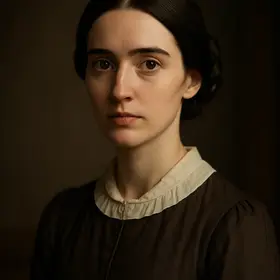 Dorothea BrookeProtagonist
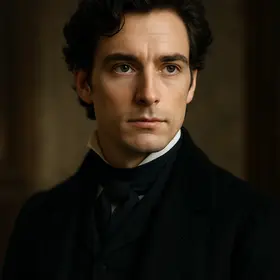 Tertius LydgateMajor character
 Will LadislawMajor character
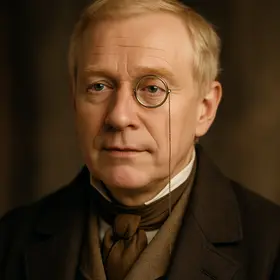 Mr. BrookeMajor character
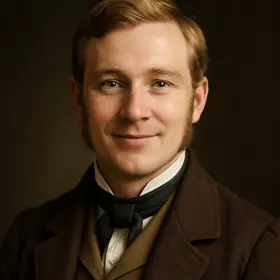 Sir James ChettamMajor character
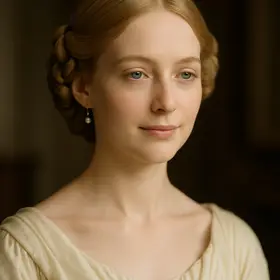 Rosamond VincyMajor character
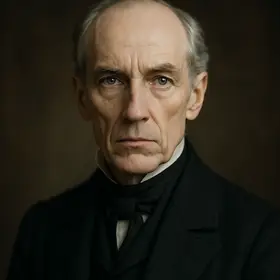 Nicholas BulstrodeMajor character
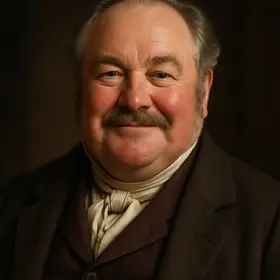 Mr. VincyMajor character
All chapter summaries ›Characters ›
Read Middlemarch illustrated
Every scene in these notes comes from the Book2Life reader, where the full public-domain text is illustrated as you read, with character portraits and narration. Free in your browser and on iPhone.
