Mrs. Cadwallader in Middlemarch
Minor character
A lively, gossipy neighboring lady who circulates news and enforces local social opinion in Middlemarch.
Who is Mrs. Cadwallader?
Mrs. Cadwallader is the rector’s wife and a prominent presence in Middlemarch’s social circuit. She delights in brisk conversation, rapid errands, and the exchange of local intelligence; her energy makes her a conduit for news and judgments. When Dorothea’s engagement to Mr. Casaubon breaks local expectations, Mrs. Cadwallader is among the first to spread the story and to press its social meaning on others. She moves easily between houses, teasing and provoking, and she participates in neighborhood councils about politics, candidates, and propriety. Though often sharp-tongued and fond of scandal, her interventions are not presented as malicious so much as energetic and reforming: she worries about public decency, reputation, and the reputations of her friends. Across scenes she offers light commentary, jokes about Casaubon, helps Sir James in airing concerns, and voices conventional anxieties about Dorothea’s choices and the widow’s conduct. Her presence helps the novel show how provincial opinion forms and exerts pressure on individuals.
Personality
- Gossipy
- In Chapter 6 she immediately sets about circulating Dorothea’s engagement, briefing Sir James and visiting various households to spread the news.
- Vivacious
- Chapter 6 shows her driving a phaeton, bantering with a farmer’s wife, and briskly calling on Mr. Brooke, demonstrating energetic sociability.
- Judgmental
- In Chapter 38 she voices fears about scandal and derides public displays while debating Mr. Brooke’s politics and local reputation.
- Plainspoken
- In Chapter 8 she jokes openly about Casaubon’s pedantry at the Rectory and speaks candidly with Sir James about the match.
- Conventional
- In Chapter 54 she joins others in advising Dorothea to avoid living alone at Lowick and suggests conventional remedies like female companionship or matchmaking.
Character arc
Mrs. Cadwallader’s role remains steady from her first appearance through later chapters: she is consistently the active social commentator who spreads news, teases, and voices communal anxieties. She arrives in Chapter 6 as the swift carrier of the Casaubon engagement story, and in subsequent scenes she performs similar functions—provoking discussion, supplying witticisms, and articulating local standards. She helps Sir James express indignation (Chapter 8), takes part in political conversation about Mr. Brooke (Chapter 38), and appears at public events like Featherstone’s funeral (Chapter 34) where her presence contributes to communal observation. Later she participates in debates about Dorothea’s widowhood and remarriage (Chapters 54, 55, 84), offering the conventional, cautionary standpoint. She does not undergo a deep personal transformation; rather, she consistently exercises the same temperament and social work: knitting together neighborhood opinion, policing propriety, and giving voice to the community’s immediate reactions. Her constancy highlights how fixed social attitudes persist around the novel’s changing personal dramas.
Relationships
- Mr. Cadwallader Her husband, the Rector, with whom she shares domestic life and social hospitality; she complements his placid good humor with lively talk.
- Sir James Chettam A frequent conversational partner whom she briefs and teases; she helps him ventilate indignation about Dorothea’s choices.
- Mr. Brooke A neighbor and subject of her teasing; she visits his house, provokes him about politics, and discusses his reputation in town.
- Dorothea Brooke An object of Mrs. Cadwallader’s gossip and social commentary—she spreads news about Dorothea’s engagements and offers conventional advice about widowhood.
- Celia Brooke Another member of the Grange circle whom Mrs. Cadwallader sees in social company and whose choices she remarks upon with light mockery or sympathy.
- Will Ladislaw An indirect subject of her talk and of the insinuations she helps circulate through Sir James that affect his reputation in Middlemarch.
Why Mrs. Cadwallader matters
Mrs. Cadwallader embodies the social machinery of Middlemarch: local talk, rumor, and moral policing. Through her brisk interventions the novel shows how public opinion forms swiftly and exerts pressure on private choices—marriage, widowhood, political ambition. She is less an antagonist than a social force: her gossip and conventional judgments tighten the community’s expectations and expose how small towns regulate behavior. By remaining constant rather than undergoing change, she helps illustrate the persistence of social norms and the difficulty individuals face when they try to act against or beyond them.
Chapters with Mrs. Cadwallader
More Middlemarch characters
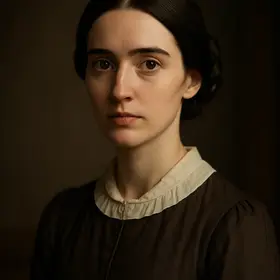 Dorothea BrookeProtagonist
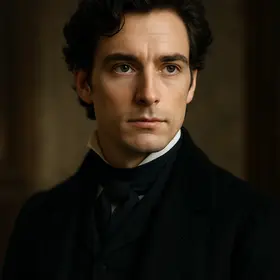 Tertius LydgateMajor character
 Will LadislawMajor character
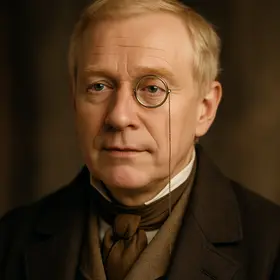 Mr. BrookeMajor character
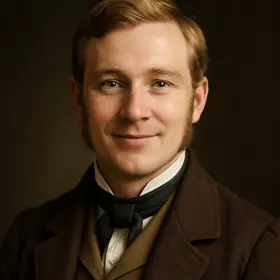 Sir James ChettamMajor character
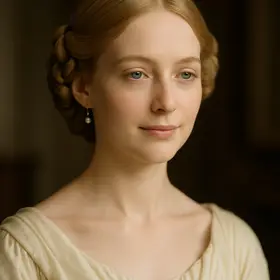 Rosamond VincyMajor character
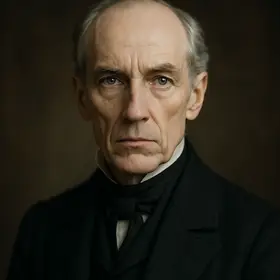 Nicholas BulstrodeMajor character
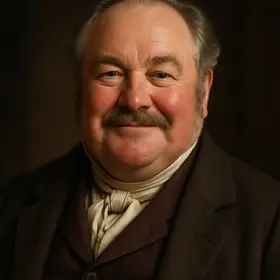 Mr. VincyMajor character
All chapter summaries ›Characters ›
Read Middlemarch illustrated
Every scene in these notes comes from the Book2Life reader, where the full public-domain text is illustrated as you read, with character portraits and narration. Free in your browser and on iPhone.
