Mr. Peacock in Middlemarch
Minor character
A background Middlemarch resident who appears only as part of the town's social fabric in the chapter notes provided.
Who is Mr. Peacock?
Mr. Peacock is a minor, background figure in the social scenes of Middlemarch. The chapter notes supplied do not record any distinct actions, speeches, or plot-driving decisions by him; he functions, so far as the notes show, as part of the provincial crowd and the everyday public life that surrounds the principal characters. He does not have recorded desires, schemes, or dramatic interventions in the supplied chapters; instead, his presence is implied among neighbors, acquaintances, or attendees at public meetings and domestic gatherings that shape reputation and rumor. Because the notes emphasize how gossip, professional disputes, and domestic tensions structure Middlemarch, Mr. Peacock’s role in those chapters is to be one of the unnamed members of the community whose attitudes and murmurs help create the social atmosphere that affects the major characters.
Personality
- Incidental
- No specific deed or speech by Mr. Peacock is recorded in the chapter notes provided; he appears only as part of the town background.
- Representative
- The chapter notes show many scenes of public opinion and gossip in which unnamed townspeople contribute to atmosphere; Mr. Peacock is implied among them.
- Socially present
- He is indicated as part of the community milieu in chapters that stage breakfasts, infirmary meetings, domestic visits, and local talk, though the notes record no individual action.
Character arc
There is no documented character arc for Mr. Peacock in the chapter notes supplied. He does not undertake any recorded personal development, decision, or turning point in the material provided; instead, he remains part of the social background against which central figures—Lydgate, Rosamond, the Vincys, Bulstrode, Farebrother, and others—act and change. Whereas principal characters in the notes move through attraction, professional conflict, marriage strains, and public scandal, Mr. Peacock’s role, as reflected in the notes, is static and atmospheric: a presence among the town’s listeners, critics, and casual onlookers whose collective responses furnish the social pressures that drive the main plots. Consequently, no beginning-to-end personal transformation is recorded for him in these chapters.
Relationships
- Tertius Lydgate No specific interaction is recorded in the chapter notes; Mr. Peacock would be one of the town residents who form the backdrop to Lydgate’s public reputation.
- Rosamond Vincy The notes do not record any direct contact; he appears only as part of the social environment surrounding domestic scenes where Rosamond figures.
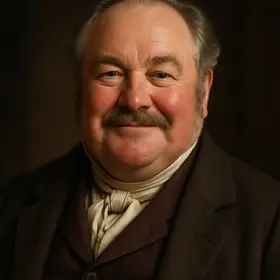
- Mr. Vincy No explicit relationship is described in the provided notes; any connection would be as a fellow Middlemarch townsman present in communal conversation.
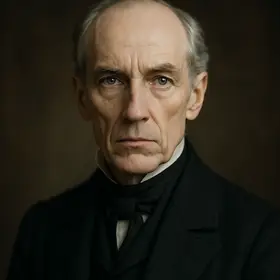
- Nicholas Bulstrode The chapter notes mention Bulstrode’s public role and influence; Mr. Peacock is not recorded as interacting with him directly but would belong to the civic audience affected by Bulstrode’s actions.
- Camden Farebrother No direct exchanges are noted between them in the supplied chapters; Mr. Peacock functions, if at all, as part of Farebrother’s parish or the wider town.
Quotes by Mr. Peacock
““I perceive that the votes are equally divided at present,” said Mr. Bulstrode, in a clear biting voice. Then, looking up at Lydgate— “There is a casting-vote still to be given. It is yours, Mr. Lydgate: will you be good enough to write?””
Chapter 18Bulstrode exposes the social pressure on Lydgate by singling him out as the decisive voter, triggering Lydgate’s defiant response.
Why Mr. Peacock matters
Although Mr. Peacock does not have plotted actions in the chapters summarized, his nominal presence matters as part of Eliot’s depiction of a provincial community. Characters like him populate the background of breakfasts, infirmary boards, auction talk, and street gossip; collectively, these background figures create the social pressure, rumor, and conventional expectations that shape the major characters’ choices. Mr. Peacock therefore symbolizes the diffuse public whose unseen judgments and chatter influence reputation, professional reform, marriage decisions, and the moral climate of Middlemarch.
Chapters with Mr. Peacock
More Middlemarch characters
 Dorothea BrookeProtagonist
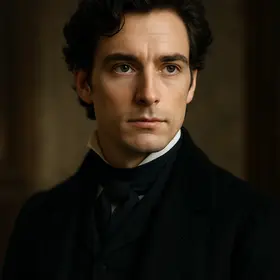 Tertius LydgateMajor character
 Will LadislawMajor character
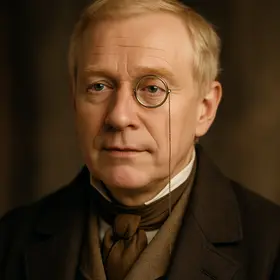 Mr. BrookeMajor character
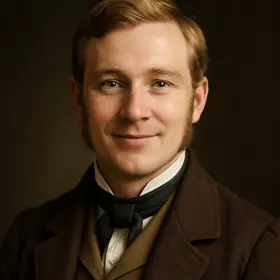 Sir James ChettamMajor character
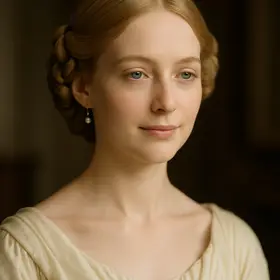 Rosamond VincyMajor character
 Nicholas BulstrodeMajor character
 Mr. VincyMajor character
All chapter summaries ›Characters ›
Read Middlemarch illustrated
Every scene in these notes comes from the Book2Life reader, where the full public-domain text is illustrated as you read, with character portraits and narration. Free in your browser and on iPhone.
