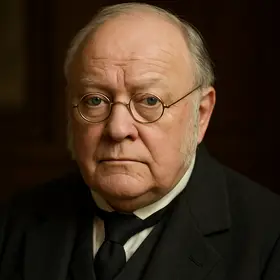
Mr. Letterblair in The Age of Innocence
Minor character
An old-family, cautious lawyer who manages the Mingott and Archer legal affairs and counsels against scandal.
Who is Mr. Letterblair?
Mr. Letterblair is the senior partner of the conservative firm Letterblair, Lamson and Low, entrusted with the Mingott and Archer legal interests. When Newland Archer is called in over Countess Olenska's threatened divorce, Letterblair frames the question in terms of family reputation, propriety, and the practical risks of a public suit. He urges Archer to use his influence to prevent a rupture and to protect the family's standing. Later he appears at Archer's office bearing the grave news of Julius Beaufort's bank failure and warns of the far-reaching social consequences. Throughout, Letterblair performs the firm's role as guardian of old New York conventions: weighing legal possibilities against social damage and delivering unwelcome facts with officious gravity. He operates behind the scenes, shaping decisions by adducing the legal and reputational costs of action.
In the book: Mr. Letterblair is Newland Archer’s discreet, old-family lawyer—the cautious head of the firm that handles the Mingott and Archer affairs. When Archer first consults him about Countess Olenska, Letterblair weighs reputation and propriety with fussy care, making clear how messy and public a divorce could become in their New York circle.
Personality
- cautious
- In Chapter XI he carefully outlines how messy and public a divorce would be and urges Archer to oppose it.
- propriety-minded
- He repeatedly frames the Mingott affair in terms of reputation and family expectations when advising Archer.
- discreet
- He is summoned to consult privately with Archer and handles sensitive family papers and correspondence.
- official
- He speaks and acts as the conservative head of the firm that manages the Mingott and Archer legal business.
Character arc
Mr. Letterblair remains essentially the same figure from his first scene to his later appearances: the steady, conservative lawyer who measures actions by their social and legal repercussions. In Chapter XI he convenes Archer to present the Mingott packet, emphasizes the danger a public divorce poses, and asks Archer to help preserve family decorum. He thus establishes himself as the voice of institutional caution and the family's legal conscience. When he returns in Book 2, Chapter 27, he brings news of the Beaufort collapse and again emphasizes the scandal's broad social consequences, reinforcing his role as messenger and sentinel against social disarray. He does not undergo a personal transformation; rather, his presence underscores the continuity of the legal-social order and its mechanisms for managing (or suppressing) transgression. He functions consistently as a stabilizing, bureaucratic force tied to Old New York's fears and priorities.
Relationships
- Newland Archer Archer's senior-lawyer contact and the partner who briefs him on the Mingott matter and later on Beaufort's collapse.
- Mrs. Manson Mingott His firm handles the Mingott family's affairs; he speaks for family interests when advising against divorce.
- Mr. Welland Welland and other family members name Archer to be consulted through Letterblair; Letterblair represents the family's legal standpoint.
- Julius Beaufort Letterblair delivers news of Beaufort's financial failure and frames the scandal's social consequences for his clients.
Quotes by Mr. Letterblair
“The whole family are against a divorce. And I think rightly.”
XILetterblair states the Mingott family's unanimous opposition to the Countess's suit and frames the household view Archer is being asked to support.
“Divorce is always unpleasant.”
XIA blunt summation of the family's priorities and the social stigma that drives their resistance to legal action.
“I've seen bad things in my time; but nothing as bad as this.”
Book 2, Chapter 27Mr. Letterblair reacts to the full extent of the Beaufort bank failure and its social consequences, emphasizing the scale of the calamity.
Why Mr. Letterblair matters
Letterblair embodies the institutional voice of old New York: law, propriety and the management of reputation. He externalizes the social constraints that pressure characters like Ellen and Archer, translating private dilemmas into public risks. By insisting on caution and foreseeing social fallout, he highlights the novel's theme of social surveillance and the cost of individual rebellion within a tightly ordered community. His steadiness and lack of transformation emphasize how entrenched institutions perpetuate the society's norms and limit the possibilities for personal change.
Chapters with Mr. Letterblair
More The Age of Innocence characters
 Newland ArcherProtagonist
 May WellandMajor character
 Countess Ellen OlenskaMajor character
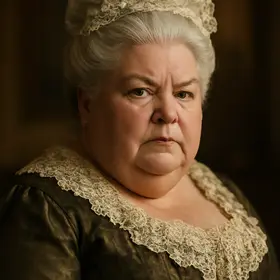 Mrs. Manson MingottMajor character
 Mrs. WellandMajor character
 Julius BeaufortMajor character
 Lawrence LeffertsMinor character
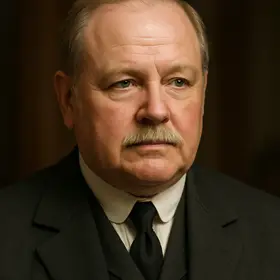 Mr. WellandMinor character
All chapter summaries ›Characters ›
Read The Age of Innocence illustrated
Every scene in these notes comes from the Book2Life reader, where the full public-domain text is illustrated as you read, with character portraits and narration. Free in your browser and on iPhone.
Read The Age of Innocence free
