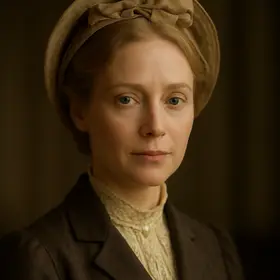
Mrs. Welland in The Age of Innocence
Major character
May Welland’s careful, socially vigilant mother who manages appearances and shields the family from scandal in old New York.
Who is Mrs. Welland?
Mrs. Welland is the consummate representative of her class: an ever-watchful, decorous matron who arranges invitations, timings, and the family’s public comportment. She appears at public events with May, oversees the household’s social obligations, and responds to gossip with a steady hand. When Countess Ellen Olenska arrives on the scene, Mrs. Welland shares Archer’s private disapproval and participates in the quiet judgement that isolates the scandalized cousin; she helps keep May’s engagement and wedding on a properly respectable track and rejoices in Newland’s intervention to advise the Countess against divorce. In moments of family crisis—Mrs. Manson Mingott’s entertainments, the Beaufort scandal, and Ellen’s comings and goings—Mrs. Welland is a managerial presence, attentive to propriety and intent on preventing any disturbance to her daughter’s secure social position. She rarely speaks out of turn and functions as the steady background force preserving the family’s appearance of innocence.
In the book: We meet Mrs. Welland as May’s carefully proper mother, steering her daughter’s engagement with a steady hand and a keen eye for what’s respectable. She minds invitations, timings, and gossip, keeping scandal at bay—especially where Ellen Olenska is concerned—and making sure everything looks exactly as it should in old New York.
Personality
- Prudish
- She and Newland privately judge Ellen’s carriage call with Beaufort as indelicate and express concern about appearances after the opera and Mingott events.
- Conventional
- She arranges May’s presence at the opera and oversees every detail of the engagement and wedding ritual, ensuring all follows social custom.
- Protective
- She praises Newland’s intervention persuading the Countess to abandon divorce and watches anxiously over May’s reputation during the Mingott affair.
- Organized
- She manages invitations, travel arrangements, and the precisely timed public appearances surrounding the Beaufort ball, the betrothal calls, and the farewell dinner.
- Discreet
- When society gossips about Ellen, Mrs. Welland keeps family responses measured, avoiding public recrimination while preserving private disapproval.
Character arc
Mrs. Welland remains largely constant from her first appearance to the last: she is introduced as the model of propriety and retains that function throughout. Early scenes show her arranging May at the opera and supervising the engagement rituals; she continues to embody the household’s social machinery during the Mingott dinners, the Beaufort ball, and the wedding preparations. Faced with Countess Olenska’s scandal, Mrs. Welland reacts predictably—distancing where necessary, approving Newland’s counsel, and insisting on correct forms that protect May. During crises (Mrs. Mingott’s stroke, Beaufort’s collapse) she focuses on maintaining decorum and shielding her daughter from impropriety rather than probing motives or sympathies. Her consistency underscores the story’s portrait of a society that prizes stability and appearance; she does not undergo a moral transformation or rebel against the social codes she upholds, but she occasionally reveals a softer, anxious protectiveness toward May when events threaten the family’s placid surface.
Relationships
- May Welland Her daughter; Mrs. Welland supervises May’s conduct, marriage plans, and public presentation with maternal vigilance.
- Mr. Welland Her husband; they function as the settled, respectable heads of the Welland household and coordinate social duties together.
- Newland Archer Her future son-in-law and eventual son-in-law; she interacts with him in arranging the engagement and relies on his interventions regarding the Countess.
- Countess Ellen Olenska A discomfiting relative by association whose presence Mrs. Welland watches warily and treats with measured disapproval to protect May’s standing.
- Mrs. Manson Mingott An allied elder whose authority allows Mrs. Welland to participate in family decisions and social maneuvers concerning Ellen and the broader clan.
- Mr. Sillerton Jackson A social chronicler Mrs. Welland trusts indirectly; his gossip and judgments inform the household’s awareness of public opinion.
Quotes by Mrs. Welland
“You know my niece Countess Olenska?”
IIMrs. Welland introduces her cousin to Archer as he joins the Mingott box to be seen with May.
“Know each other? Fiddlesticks! Everybody in New York has always known everybody.”
IV.Mrs. Mingott dismisses the idea of giving the engaged couple time, arguing New Yorkers already know one another and urging a swift wedding.
“I may catch pneumonia any winter now, and I want to give the wedding-breakfast.”
IV.Mrs. Mingott insists on an early wedding so she can host the wedding-breakfast while she is still able, revealing her blunt practicality and desire for social involvement.
“"I'll go and see Louisa van der Luyden."”
Chapter 6Mrs. Archer's decision to visit Louisa marks the moment when private outrage is converted into mobilized social action.
“Professor and Mrs. Emerson Sillerton request the pleasure of Mr. and Mrs. Welland's company at the meeting of the Wednesday Afternoon Club on August 25th at 3 o'clock punctually.”
Book 2The formal invitation provokes anxiety and comedic astonishment about a garden-party for the Blenkers, setting the social scene.
“Honour's always been honour, and honesty honesty, in Manson Mingott's house, and will be till I'm carried out of it feet first,”
Book 2, Chapter 27Mrs. Mingott, newly stricken, asserts the family's uncompromising code of probity in response to Regina Beaufort's plea for the family to cover her husband's disgrace.
Why Mrs. Welland matters
Mrs. Welland represents the social machinery that enforces old New York’s codes: propriety, timed ritual, and the suppression of scandal. Her steady management of appearances and her preference for measured responses underscore the novel’s exploration of social constraint versus individual desire. By maintaining the household’s “innocence,” she helps create the very environment that limits spontaneity, polices female autonomy (as with Ellen), and defines marriage as a social performance rather than a personal fulfillment. Her constancy dramatizes how social form becomes moral substance in the world Wharton depicts.
Chapters with Mrs. Welland
More The Age of Innocence characters
 Newland ArcherProtagonist
 May WellandMajor character
 Countess Ellen OlenskaMajor character
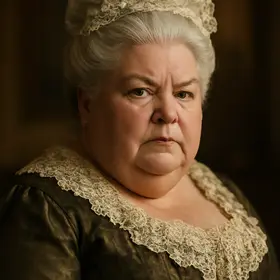 Mrs. Manson MingottMajor character
 Julius BeaufortMajor character
 Lawrence LeffertsMinor character
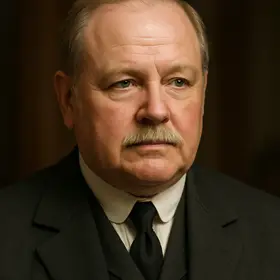 Mr. WellandMinor character
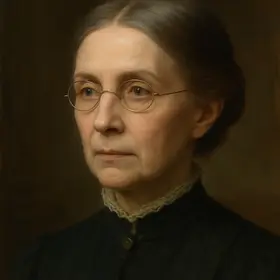 Mrs. ArcherMajor character
All chapter summaries ›Characters ›
Read The Age of Innocence illustrated
Every scene in these notes comes from the Book2Life reader, where the full public-domain text is illustrated as you read, with character portraits and narration. Free in your browser and on iPhone.
Read The Age of Innocence free
