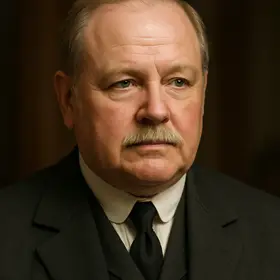
Mr. Welland in The Age of Innocence
Minor character
May Welland’s placid, proper father—wealthy, cautious, and wedded to routine and respectability.
Who is Mr. Welland?
Mr. Welland is May Welland’s father and a senior figure in the circle that defines New York’s social code. He appears as a placid, conventional presence at family meals and social consultations: he shares the Wellands’ concern over invitations and appearances, takes part in the household’s discussions about who should meet guests, and figures among the Mingotts’ circle named when the family debates Countess Olenska’s possible divorce. He prefers the safe, proper course—siding with family dignity and routine—and fits comfortably into the era’s conservative order. He is notably attentive to schedules, health, and predictable comforts, and his steady, cautious manner helps sustain the social machinery that keeps scandals at bay. Though not centrally involved in legal strategizing, he appears as part of the domestic backdrop whose unquestioning respectability supplies the novel’s social pressure on characters like Newland and Ellen.
In the book: Mr. Welland is May Welland’s amiable, cautious father—wealthy, proper, and a little preoccupied with health and routine. When we first meet him, he’s cordial to Newland Archer, careful about schedules and doctors, and happiest when everything proceeds in the safest, most respectable way.
Personality
- conventional
- At the Welland lunch table he participates in the family’s surprise and social fretting over invitations and obligations, showing deference to established forms.
- cautious
- He is listed among the Mingott party named to oppose the Countess’s divorce, reflecting the family’s preference for the safe, reputationally conservative course.
- amiable
- He is presented as a cordial, pleasant family presence in scenes at the Welland breakfast and lunches where domestic civility governs the tone.
- health‑conscious
- Mrs. Manson Mingott’s new interest in family health mentions Mr. Welland’s valetudinarian ways, indicating his preoccupation with health and routine.
Character arc
Mr. Welland’s role remains essentially constant from his first appearances to the end of the provided chapters. He functions as a pillar of the Welland household’s decorum: attending family meals, responding to invitations, and embodying the comfortable stability the family prize. He never undergoes a moral or emotional transformation; rather, his steady conventionalism reinforces the social expectations that surround May and Newland. As the Countess Olenska’s presence creates agitation in the tribe, Mr. Welland is part of the unchanging center that resists disruption—accepting Mrs. Mingott’s determinations, fretting with the household over social logistics, and exemplifying a quiet domestic routine. His constancy helps to dramatize the novel’s tensions: while Newland is moved and unsettled, Mr. Welland’s refusal (or inability) to change highlights the power of inherited social habits and the comfort they provide to most characters in the circle.
Relationships
- May Welland His daughter; Mr. Welland is part of the household and family network that shapes her sheltered upbringing and prospects.
- Mrs. Welland His wife and domestic partner in running the Welland household and its social duties.
- Mrs. Manson Mingott An allied matriarch whose renewed focus on family health and propriety references Mr. Welland’s valetudinarian reputation and situates him within the elder generation’s influence.
- Newland Archer His prospective son‑in‑law and frequent guest at Welland occasions; Mr. Welland’s conventional stability forms part of Newland’s domestic context.
- Mr. Letterblair Member of the network of family advisers and lawyers whose consultations over the Countess’s case include the Wellands among interested parties.
- Mrs. Archer Neighboring matron within the same social tier; they share concerns about invitations, propriety, and the management of society affairs.
Quotes by Mr. Welland
“The whole family are against a divorce. And I think rightly.”
XILetterblair states the Mingott family's unanimous opposition to the Countess's suit and frames the household view Archer is being asked to support.
“Divorce is always unpleasant.”
XIA blunt summation of the family's priorities and the social stigma that drives their resistance to legal action.
“"At the court of the Tuileries," said Mr. Sillerton Jackson with his reminiscent smile, "such things were pretty openly tolerated."”
Book 2, Chapter 32Introduces social comparison that frames the dinner's gossip about Madame Olenska and Beaufort, showing how historical allusion polices contemporary manners.
Why Mr. Welland matters
Mr. Welland represents the social continuity and domestic complacency central to the novel’s critique of old New York. As a stable, cautious paterfamilias, he embodies the protective conventions that preserve reputation but also constrict emotional freedom. His unshakable conventionality helps explain why scandal is managed by ritual rather than moral reckoning: families like the Wellands prefer routine solutions and social arbitration to risky individual choices. In that way, Mr. Welland stands for the reassuring surface of respectability that ultimately suppresses conflict and shapes the fates of characters who yearn for a different life.
Chapters with Mr. Welland
More The Age of Innocence characters
 Newland ArcherProtagonist
 May WellandMajor character
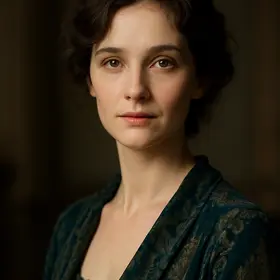 Countess Ellen OlenskaMajor character
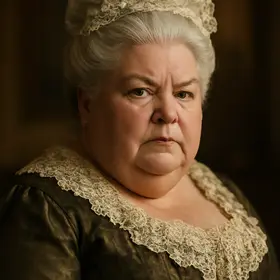 Mrs. Manson MingottMajor character
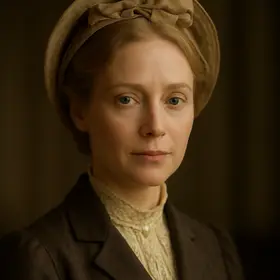 Mrs. WellandMajor character
 Julius BeaufortMajor character
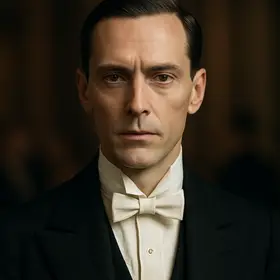 Lawrence LeffertsMinor character
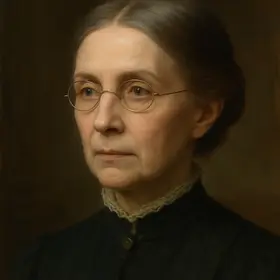 Mrs. ArcherMajor character
All chapter summaries ›Characters ›
Read The Age of Innocence illustrated
Every scene in these notes comes from the Book2Life reader, where the full public-domain text is illustrated as you read, with character portraits and narration. Free in your browser and on iPhone.
Read The Age of Innocence free
