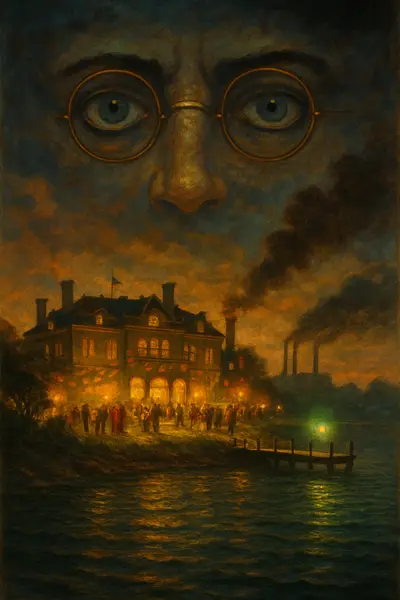
The Age of Innocence
1920 · Novel of manners
Free to read in your browser. Public-domain edition from Project Gutenberg, illustrated as you read.
About This Book
The Age of Innocence is Edith Wharton’s portrait of New York’s old Knickerbocker society in the 1870s, told through the eyes of Newland Archer, a cultivated young lawyer engaged to the gentle May Welland. Wharton maps the rituals, gossip and rigid etiquette that shape every public gesture and private worry, framing the novel as both social study and intimate confession. When Countess Ellen Olenska, May’s unconventional cousin, returns from Europe seeking a separation from her husband, her presence unsettles the carefully ordered world of the Mingott and van der Luyden circles. Newland is at once intrigued and protective: drawn to Ellen’s impulsive desire for freedom yet bound by his engagement and the expectations of family and class. As scandals swell around Julius Beaufort’s finances and the Countess’s choices, Newland’s internal life—his fears, fantasies and restraint—becomes the novel’s moral battleground. Wharton concentrates on character and nuance rather than melodrama. The cast includes the imperious Mrs. Manson Mingott, the pragmatic Mrs. Archer, the worldly M. Rivière, and the gossiping Mr. Sillerton Jackson; through them she stages the collision between private longing and public duty, without resolving Newland’s predicament in sensational fashion.
Characters in The Age of Innocence
 Newland ArcherWe first meet Newland Archer at the opera, a well-born young lawyer who moves easily through New York’s most proper drawing rooms. He’s recently engaged to May Welland and prides himself on good taste, but the sudden arrival of May’s cousin, the scandal-shadowed Countess Ellen Olenska, puts his beliefs—and his poise—curiously on alert.
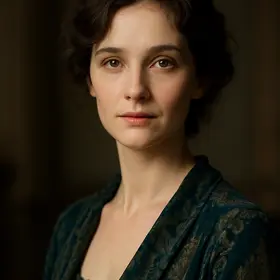 Countess Ellen OlenskaWe first meet Ellen as the Countess Olenska, newly back in New York after leaving a miserable European marriage. She’s May Welland’s cousin and immediately unsettles the city’s rigid social codes with her frank warmth, bohemian tastes, and refusal to pretend—so Newland Archer gets drawn in to advise her and smooth things over.
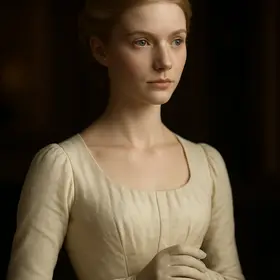 May WellandWe meet May as Newland Archer’s fresh-faced fiancée, a polished young woman from an old New York family who embodies everything proper and reassuring in their tight social world. She matters because her engagement anchors Newland to the expectations of their set just as a more complicated relative arrives and unsettles the room.
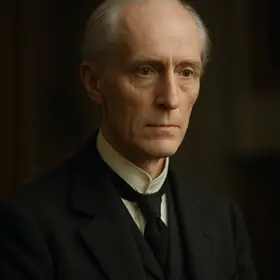 Henry van der LuydenWhen we first meet Henry van der Luyden, he’s the quietly powerful head of New York’s most revered old-family household, living in rarefied seclusion with his wife. People come to him when they need the ultimate social verdict, and his calm endorsement can settle a brewing society dilemma—like whether Countess Olenska should be publicly welcomed.
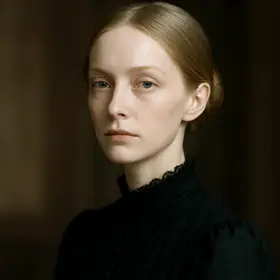 Louisa van der LuydenWhen we first meet Louisa van der Luyden, she’s the quietly commanding grande dame of old New York, living in serene seclusion with her husband. Archer and May turn to her because her approval can open the doors of society—or keep them firmly shut—so even her soft-spoken word matters a great deal.
 Julius BeaufortWe first meet Beaufort as the dazzling banker hosting the post-opera gathering everyone in New York wants to attend. He’s rich, socially fearless, and just rakish enough to make people talk, using charm and connections to pull strings in rooms that prize discretion. He’s married to the quiet Regina, and his orbit immediately matters to Newland Archer and the rest of old New York.
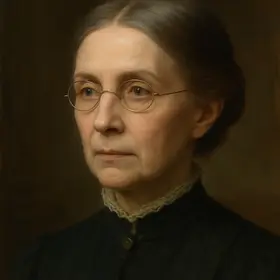 Mrs. ArcherWe first meet Mrs. Archer in her genteel New York drawing room, where she and her daughter Janey weigh every bit of society news that reaches them. She’s Newland’s widowed mother—affectionate, proud, and quietly firm—whose old-guard opinions help set the boundaries of what her son is expected to do.
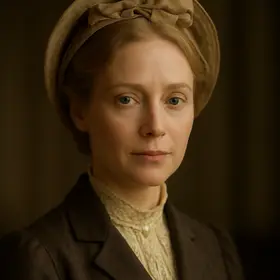 Mrs. WellandWe meet Mrs. Welland as May’s carefully proper mother, steering her daughter’s engagement with a steady hand and a keen eye for what’s respectable. She minds invitations, timings, and gossip, keeping scandal at bay—especially where Ellen Olenska is concerned—and making sure everything looks exactly as it should in old New York.
 Lawrence LeffertsWe first meet Lawrence “Larry” Lefferts at the opera among New York’s best seats, already acting like the city’s authority on “form.” He matters because he polices manners and whispers judgments—especially about Countess Olenska—shaping how the room decides what’s acceptable and what isn’t.
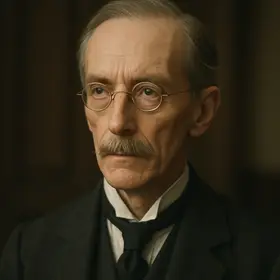 Sillerton JacksonWe first meet Sillerton Jackson as one of the city’s seasoned insiders, the man who knows every family connection and every quiet scandal by heart. He chats drily about who’s “in” and who’s skating on thin ice, and people—Newland included—listen because his memory is a social map. He matters early on as the discreet oracle everyone consults when Ellen Olenska’s return rattles the room.
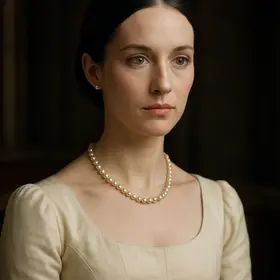 Regina BeaufortWe first meet Regina Beaufort as the impeccably proper wife of the dashing banker Julius Beaufort, holding court in their opera box and lending his flash the weight of an old New York name. She matters because her composure and pedigree keep doors open for the Beauforts, even when society is busy whispering about him.
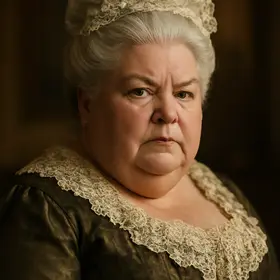 Mrs. Manson MingottWhen we first meet Mrs. Manson Mingott, she’s the towering matriarch of old New York—blunt, rich, and very sure of her own judgment. From her ground-floor rooms (stairs aren’t her thing), she decides who’s in or out, and her opinion quickly becomes crucial to how people treat the unconventional Countess Olenska.
 Ned WinsettNed Winsett is a hard-pressed New York journalist and man of letters whom Newland Archer seeks out when he wants a frank, intelligent conversation beyond drawing-room manners. He’s witty, skeptical, and decent, living simply and looking at society from the curb rather than the club window, which makes his talk stick in Archer’s mind.
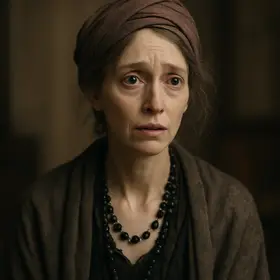 Medora MansonWhen we first meet her, Medora Manson is the eccentric, well-meaning aunt who has been looking after Ellen Olenska in Europe and has a talent for marrying the wrong men and needing timely rescues. She breezes into New York parlors asking for help in the most blithe way, and she’s part of the reason Ellen is drawn back into the tight circle of old New York society.
 RivièreRivière first turns up as a courteous French tutor attached to the Blenker household, soft-spoken but precise, clearly more educated than his position suggests. In a quiet conversation with Newland Archer, he shows real tact and moral clarity, hinting that he understands more of Countess Olenska’s situation than most people around her and asking Archer to consider what would truly help her.
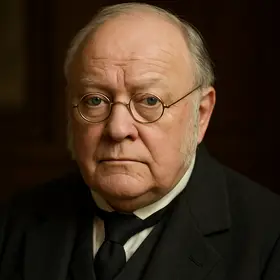 Mr. LetterblairMr. Letterblair is Newland Archer’s discreet, old-family lawyer—the cautious head of the firm that handles the Mingott and Archer affairs. When Archer first consults him about Countess Olenska, Letterblair weighs reputation and propriety with fussy care, making clear how messy and public a divorce could become in their New York circle.
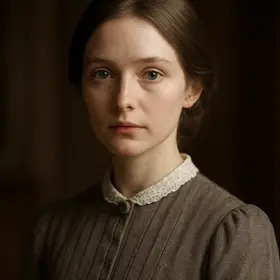 Janey ArcherJaney Archer is Newland Archer’s unmarried sister, living quietly with their mother and keeping close tabs on society’s comings and goings. When we first meet her, she’s prim but curious, trading drawing-room news and fretting—just a little—over the stir caused by Countess Olenska’s return.
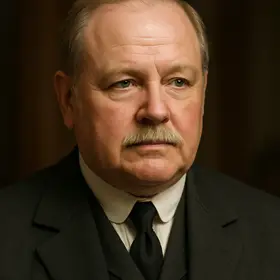 Mr. WellandMr. Welland is May Welland’s amiable, cautious father—wealthy, proper, and a little preoccupied with health and routine. When we first meet him, he’s cordial to Newland Archer, careful about schedules and doctors, and happiest when everything proceeds in the safest, most respectable way.
 Dallas ArcherWhen we meet him, he’s a bright, well-mannered young New Yorker from an old family, breezy and curious in a way that feels more modern than the rooms he walks into. He matters because his frank questions and easy warmth coax the older crowd to say what they usually leave unsaid.
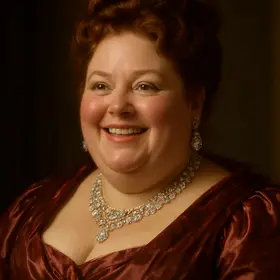 Mrs. Lemuel StruthersWhen we first hear of her, she’s the flashy, newly rich hostess everyone gossips about—wife of a shoe-polish magnate—whose Sunday musical evenings tempt curious guests but scandalize old New York. She matters because her salon sits just outside the “acceptable” circle, testing who dares to cross that invisible line.
Study guide
Summaries and analysis of all 34 chapters, and profiles of 26 characters, illustrated with scenes from the book.
The Age of Innocence summary ›The Age of Innocence characters ›
Themes
- social conformity
- duty vs desire
- marriage
- reputation
- individual freedom
Why Read The Age of Innocence?
Read The Age of Innocence for its quiet, sharp examination of how social codes shape identity. Wharton renders a closed world with precise economy: every ballroom, dinner and calling card carries consequence. Modern readers will recognize the pressures of appearances and the costs of compromise, even as the manners and details are of a different era.
Beyond its period detail, the novel remains compelling for its psychological subtlety. Newland’s interior life—his small rebellions, self-justifications and moments of regret—models the human struggle between longing and obligation. If you appreciate character-driven fiction that rewards close reading, Wharton’s novel offers a sustained moral and emotional intelligence that still resonates today.
Experience The Age of Innocence on Book2Life
Read with AI-generated visuals, character portraits, audio narration, smart summaries, and more — free in your browser and on iPhone.