Mrs. Lovell Mingott in The Age of Innocence
Minor character
A member of the Mingott household who sits in the family box and takes part in household responses to scandal.
Who is Mrs. Lovell Mingott?
Mrs. Lovell Mingott appears as part of the Mingott party at the Academy of Music, seated in the front of the Mingott box beside Mrs. Welland and with young May Welland behind them. Her presence helps make the Mingott box a conspicuous public emblem of family authority and charity when Countess Ellen Olenska arrives as a striking, controversial guest; the group’s display draws the attention and whispered disapproval of New York men. Later, when the Beaufort bank crisis erupts and alarming news reaches the Mingott house, she is among the household gathered in subdued agitation over the older Mrs. Manson Mingott’s stroke and the scandal’s implications. In the household debates about how to respond to Regina Beaufort’s plea for protection, the Mingott women rehearse family precedents and moral indignation; the family decides to summon the Countess alone. Mrs. Lovell Mingott’s actions are those of a loyal member of an influential household: she participates in public display, shares the group’s protective solidarity, and contributes to the household’s responses to social crisis.
Personality
- conventional
- She sits conspicuously in the front of the Mingott box, taking the place expected of a family representative at the opera.
- loyal
- She is present with the Mingott household during the Beaufort collapse and joins in the family’s indignation and decisions about how to respond.
- observant
- Her placement in the Mingott box helps register and reflect the social attention directed at the Countess Olenska’s entrance.
- protective
- She participates in the household’s debate after Regina Beaufort’s visit, aligning with the family’s refusal to cover up the scandal.
Character arc
From her first appearance at the Academy of Music to the household scenes during the Beaufort collapse, Mrs. Lovell Mingott remains essentially steady in role and temperament. At the opera she is part of the Mingott front row that asserts family presence and authority; she helps make the box an organized public statement when the Countess Olenska’s appearance threatens to excite gossip. Later, when financial scandal reaches New York and the older Mrs. Manson Mingott is stricken, Mrs. Lovell Mingott is among the assembled relatives who move from shocked concern to moral indignation at Regina Beaufort’s plea. She does not undergo dramatic personal transformation in these chapters; rather, she embodies continuity: the domestic, ceremonial member of an established household who supports family decisions, preserves propriety, and takes part in managing public perception. Her steadiness underlines the Mingott household’s collective response to scandal rather than an individual change of heart or action.
Relationships
- Mrs. Manson Mingott A member of the same Mingott household who sits in the box with the older Mrs. Mingott and shares the family’s concern when the elder is stricken.
- May Welland Sits before May in the Mingott box, part of the same visible family group at the opera.
- Countess Ellen Olenska Shares the Mingott box with the Countess when Ellen’s return provokes social attention and comment.
- Mrs. Welland Occupies the front of the Mingott box alongside Mrs. Welland, together representing the family at the opera.
- Regina Beaufort Is present in household discussions that react with indignation to Regina Beaufort’s appeal for family backing after the bank scandal.
- Newland Archer Appears in scenes connected to the Mingott box and the subsequent telegram business in which the household sends for the Countess.
Quotes by Mrs. Lovell Mingott
“You know my niece Countess Olenska?”
IIMrs. Welland introduces her cousin to Archer as he joins the Mingott box to be seen with May.
“I shall first have to talk this over with my husband.”
VII.Her habitual formula of deference that signals joint, ceremonial decision-making and social prudence.
“Honour's always been honour, and honesty honesty, in Manson Mingott's house, and will be till I'm carried out of it feet first,”
Book 2, Chapter 27Mrs. Mingott, newly stricken, asserts the family's uncompromising code of probity in response to Regina Beaufort's plea for the family to cover her husband's disgrace.
Why Mrs. Lovell Mingott matters
Mrs. Lovell Mingott functions as a small but telling emblem of familial solidarity and social decorum. Her presence in the Mingott box and in the household’s response to scandal highlights the theme of public display versus private feeling: the family’s seating, reactions, and decisions are acts of social signaling. By participating in the collective indignation and protective measures, she helps dramatize how established families manage reputation, enforce propriety, and use domestic authority to shape public opinion in New York society.
Chapters with Mrs. Lovell Mingott
More The Age of Innocence characters
 Newland ArcherProtagonist
 May WellandMajor character
 Countess Ellen OlenskaMajor character
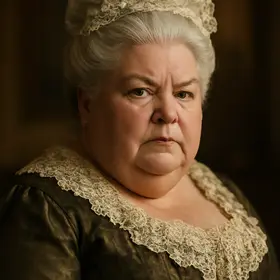 Mrs. Manson MingottMajor character
 Mrs. WellandMajor character
 Julius BeaufortMajor character
 Lawrence LeffertsMinor character
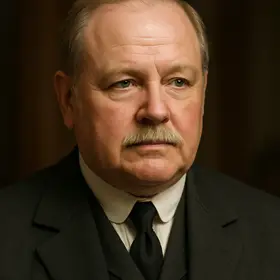 Mr. WellandMinor character
All chapter summaries ›Characters ›
Read The Age of Innocence illustrated
Every scene in these notes comes from the Book2Life reader, where the full public-domain text is illustrated as you read, with character portraits and narration. Free in your browser and on iPhone.
Read The Age of Innocence free
