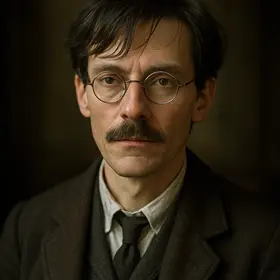
Ned Winsett in The Age of Innocence
Minor character
A witty, skeptical New York journalist and man of letters who offers Newland Archer frank, outside conversation.
Who is Ned Winsett?
Ned Winsett is a hard-pressed journalist and man of letters whom Newland Archer seeks out when he wants a candid, intellectually stimulating talk beyond drawing-room manners. He lives simply and watches New York society from its margins, complaining about the narrow market for serious writing and the complacency of the well-to-do. In Chapter XIV Archer meets Winsett after the theatre and they walk and argue: Winsett relates a neighbourly anecdote about Countess Ellen Olenska and voices his bitterness about literary disappointments and the misplaced priorities of gentlemen who avoid public service. In Book 2, Chapter XVII Winsett appears again at a small, bohemian gathering in the Countess’s house, contributing a poetical presence among the guests and helping to give that circle its informal, literary tone. Across these scenes Winsett functions as both a sounding-board for Archer’s unease and as a brief exemplar of an alternative, less constrained life devoted to letters and candid speech.
In the book: Ned Winsett is a hard-pressed New York journalist and man of letters whom Newland Archer seeks out when he wants a frank, intelligent conversation beyond drawing-room manners. He’s witty, skeptical, and decent, living simply and looking at society from the curb rather than the club window, which makes his talk stick in Archer’s mind.
Personality
- witty
- In Chapter XIV he strolls with Archer after the theatre, offering a sharp, ironic account of the 'dark lady' in the Beaufort box and the Countess’s neighbourly kindness.
- skeptical
- In Chapter XIV he voices bitterness about the lack of a market for pure letters and scoffs at the complacency of gentlemen who evade civic responsibility.
- decency
- Archer seeks Winsett out specifically because he finds Winsett’s frank, intelligent conversation honest and morally steady, as when Winsett reports the Countess’s kindness to his child.
- outsider
- In Chapter XVII Winsett sits at the Countess’s small gathering as a poetical, bohemian figure distinct from the polished guests of conventional society.
Character arc
Ned Winsett’s role is not so much to change as to remain a steady foil to Newland Archer’s inward perturbations. From his first recorded walk with Archer (Chapter XIV), Winsett presents himself as a disappointed but lucid critic of the city’s social complacency and of the difficulties facing serious writers; he articulates grievances that both intrigue and unsettle Archer. When he later appears in the Countess’s salon (Book 2, Chapter XVII), he inhabits that bohemian enclave naturally, confirming the consistency of his outlook: he is at ease among the Countess’s informal circle and retains his ironic distance from conventional ambitions. Winsett does not undergo a moral or social transformation; he functions as a fixed alternative to Archer’s gradual slide into conventional marriage and public life. By staying essentially the same—witty, skeptical, and decent—Winsett highlights Archer’s inner conflict and the social choices Archer refuses or cannot make.
Relationships
- Newland Archer A close friend and conversational companion whom Archer seeks out for frank, intelligent talk beyond drawing-room proprieties.
- Countess Ellen Olenska A neighbourly acquaintance who once tended his child and whom Winsett mentions kindly when describing the 'dark lady' in the Beaufort box.
- Marchioness Manson (Medora Manson) A fellow guest at the Countess’s small soirée where Winsett is present among the literary circle.
- Julius Beaufort A figure whose social prominence and coarse world Winsett implicitly contrasts with his own bohemian literary circle.
Quotes by Ned Winsett
“"The fact is she's a neighbour of mine—queer quarter for such a beauty to settle in—and she's been awfully kind to my little boy, who fell down her area chasing his kitten, and gave himself a nasty cut."”
XIVWinsett explains how the Countess befriended his child—an anecdote that humanizes her and piques Archer's interest.
Why Ned Winsett matters
Ned Winsett serves as the novel’s small but crucial counterpoint to New York high society: he embodies the world of letters, candid speech, and marginal observation that Archer admires but only intermittently visits. By voicing skepticism about complacent gentility and lamenting the limited market for pure literature, Winsett sharpens the book’s themes of social constraint versus personal authenticity. His steadiness and decency also provide a humane standard against which Archer’s compromises and yearnings are measured, making Winsett a moral and intellectual benchmark in the story’s exploration of choice, conformity, and the costs of respectability.
Chapters with Ned Winsett
More The Age of Innocence characters
 Newland ArcherProtagonist
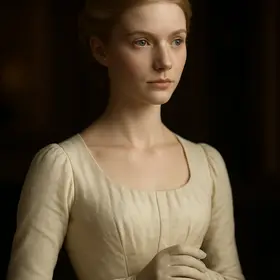 May WellandMajor character
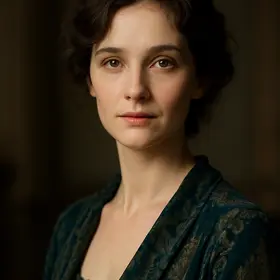 Countess Ellen OlenskaMajor character
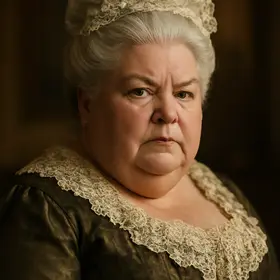 Mrs. Manson MingottMajor character
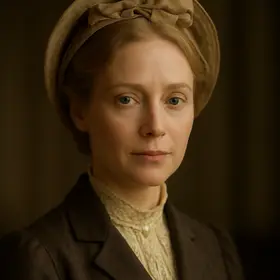 Mrs. WellandMajor character
 Julius BeaufortMajor character
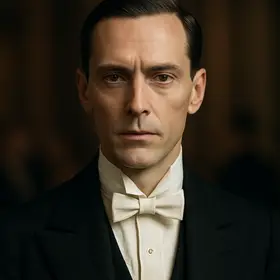 Lawrence LeffertsMinor character
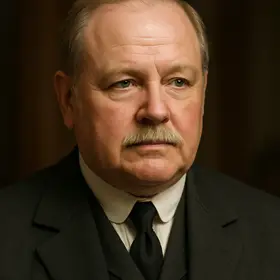 Mr. WellandMinor character
All chapter summaries ›Characters ›
Read The Age of Innocence illustrated
Every scene in these notes comes from the Book2Life reader, where the full public-domain text is illustrated as you read, with character portraits and narration. Free in your browser and on iPhone.
Read The Age of Innocence free
