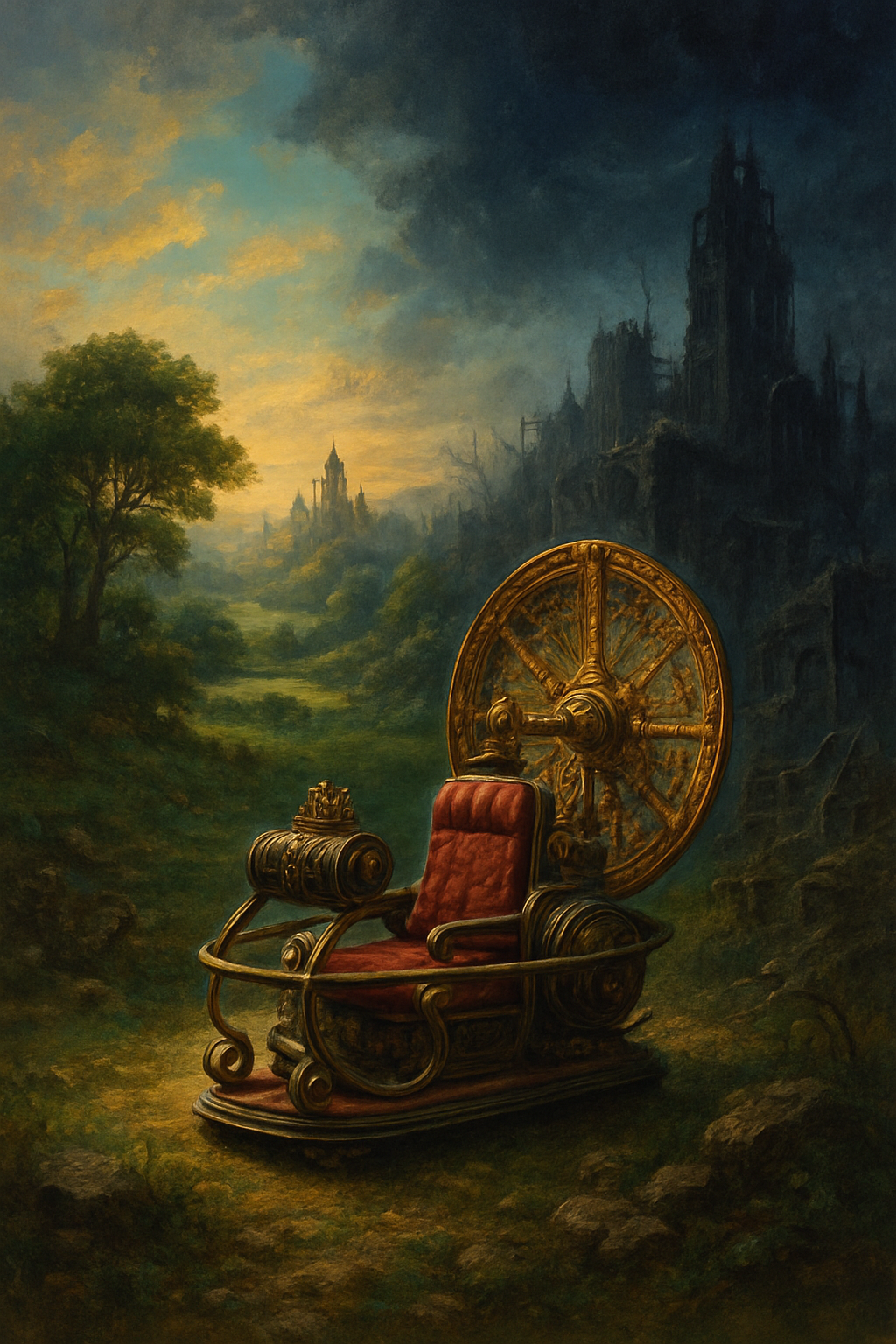
The Prince
1532 · Political treatise
Free to read in your browser. Public-domain edition from Project Gutenberg, illustrated as you read.
About This Book
The Prince is a concise political treatise by Niccolò Machiavelli, written in the early 16th century after his removal from Florentine office. Framed as advice to a new ruler, it surveys types of principalities, the mechanics of power, and measures a prince must take to acquire, consolidate, and preserve rule. The voice is practical and unsentimental, grounded in examples from ancient Rome, contemporary Italian states, and notable individuals. Across its chapters Machiavelli distinguishes hereditary and new states, examines the hazards of ruling free cities and composite realms, and stresses the necessity of armed strength, wise counsel, and adaptable conduct. He profiles figures such as Cesare Borgia (the Duke Valentino) as an exemplar of ruthless political calculation, compares rulers who rise by fortune and by skill (e.g., Francesco Sforza), and recounts violent usurpations like Agathocles and Oliverotto as cautionary tales. The work also invokes Alexander and Darius, the popes’ temporal power, and case studies like Castruccio Castracani to illustrate how strategy, cruelty, reputation, and military preparedness interact. Machiavelli’s premise is that political life follows its own rules; virtue must be measured by effectiveness, and fortune can be shaped by bold, prepared action. The Prince remains a compact manual of power, blending history, anecdote, and blunt prescription for rulers and observers of statecraft.
Characters in The Prince
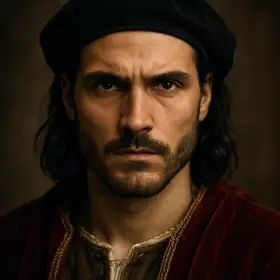 Cesare BorgiaIn The Prince, Cesare Borgia (Duke Valentino) serves as Machiavelli’s prime example of effective statecraft and virtù—decisive, strategic, and ruthlessly pragmatic in pacifying territories, rewarding loyalty, and using calculated severity to secure order. He illustrates how bold action, careful image-making, and shrewd delegation can build power quickly, while also showing how dependence on shifting fortune—such as changes in papal politics—can undo even the most capable ruler.
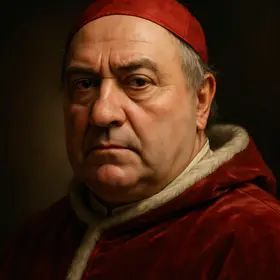 Pope Alexander VIIn The Prince, Pope Alexander VI appears as a historical example of a ruler adept at manipulation and political cunning. Machiavelli highlights how, through bold promises, strategic deceit, and the calculated use of his son Cesare Borgia’s force, Alexander expanded and secured power for the papacy. He serves as a case study in how rulers may break faith and employ shrewd tactics to achieve stability and advantage.
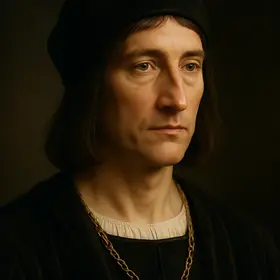 Louis XIIIn The Prince, Louis XII, king of France, serves as a central cautionary example: Machiavelli analyzes his campaigns in Italy—especially the conquest and loss of Milan—to illustrate strategic mistakes a ruler must avoid when acquiring and holding new territories, such as empowering the Church and inviting stronger foreign allies.
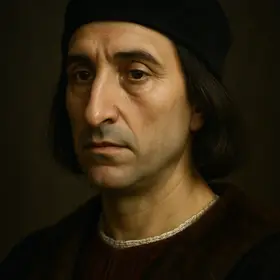 Ferdinand II of AragonIn The Prince, Ferdinand II of Aragon appears as a prime example of a ruler who skillfully uses religion, reputation, and constant military ventures to secure power and unify his realm. Machiavelli cites him to illustrate how calculated displays of piety and decisive action can expand authority, win public favor, and keep subjects focused outward, shaping the book’s lessons on statecraft and princely conduct.
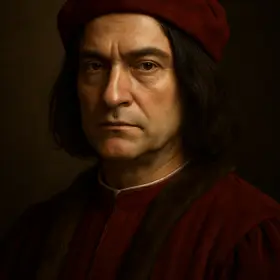 Lorenzo de' MediciLorenzo de’ Medici is not an active character but the dedicatee and intended patron of The Prince. Machiavelli addresses the treatise to him, framing the work as practical advice for a ruler on gaining and maintaining power, using Lorenzo’s position at the head of the Medici-dominated Florence as the context for the book’s counsel.
 Francesco SforzaFrancesco Sforza appears in The Prince as a real historical example used to illustrate Machiavelli’s lessons about gaining and maintaining power. A condottiero who rose to become Duke of Milan through his own arms and ability, he embodies the virtues of military prowess, prudence, and personal initiative. Machiavelli contrasts his success with the failures of less capable heirs to show how states are won and lost.
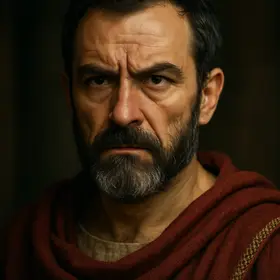 Agathocles of SyracuseIn The Prince, Agathocles of Syracuse is presented as a case study of a ruler who rises from humble origins to princely power through ruthlessness and calculated violence. Machiavelli uses him to explore the idea that effectiveness in seizing and securing a state can be achieved by fear and cruelty, even if such methods deny the ruler lasting glory or moral praise. Agathocles exemplifies the distinction between gaining power and gaining honor, and illustrates the concept of “cruelties well used.”
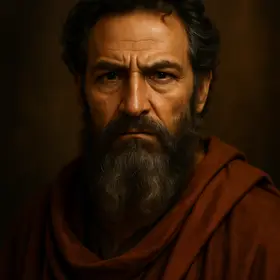 MosesIn The Prince, Moses is cited as an exemplar of a “new prince” who founds a state and new laws, illustrating how exceptional leadership, decisive force, and favorable circumstance can legitimize rule and create lasting political order. He serves as a model in Machiavelli’s argument that founding leaders must combine vision with the power to enforce it.
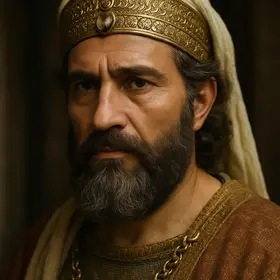 Cyrus the GreatIn The Prince, Cyrus the Great is invoked as a prime example of a “new” ruler who rose to power by his own prowess and strategic acumen, founding a durable state and instituting new laws and armies. Machiavelli uses him—alongside figures like Moses, Romulus, and Theseus—to illustrate how exceptional leadership, decisive action, and the management of fortune can create and secure a principality.
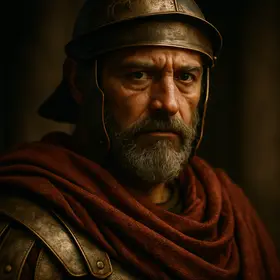 RomulusIn The Prince, Romulus is cited as an exemplar of a founder who seized power decisively and established new political and civil institutions, illustrating Machiavelli’s argument that founding princes often rely on force, prudence, and harsh measures to create stable states.
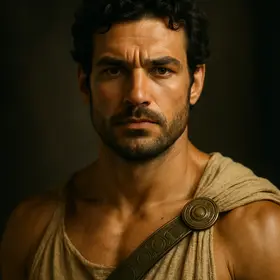 TheseusIn The Prince, Machiavelli cites Theseus as one of the exemplary “founders” who rose to power through personal ability (virtù) aided by opportunity (fortuna). Theseus serves as a model of a new ruler who consolidates authority, imposes order, and shapes institutions through decisive action, illustrating how exceptional individuals can establish stable rule when circumstances open a path for them.
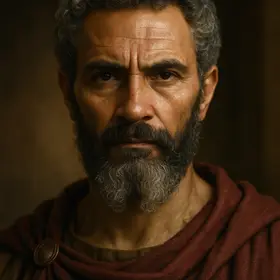 Septimius SeverusIn The Prince, Septimius Severus appears as a historical exemplar of princely rule who masterfully blends the strength of the lion with the cunning of the fox. Machiavelli highlights his ruthless decisiveness, military genius, and political shrewdness in subduing rivals and securing loyalty, using Severus to illustrate how fear, strategy, and control of the army can found and stabilize a state.
Study guide
Summaries and analysis of all 31 chapters, and profiles of 15 characters, illustrated with scenes from the book.
Key Scenes & Storyboard
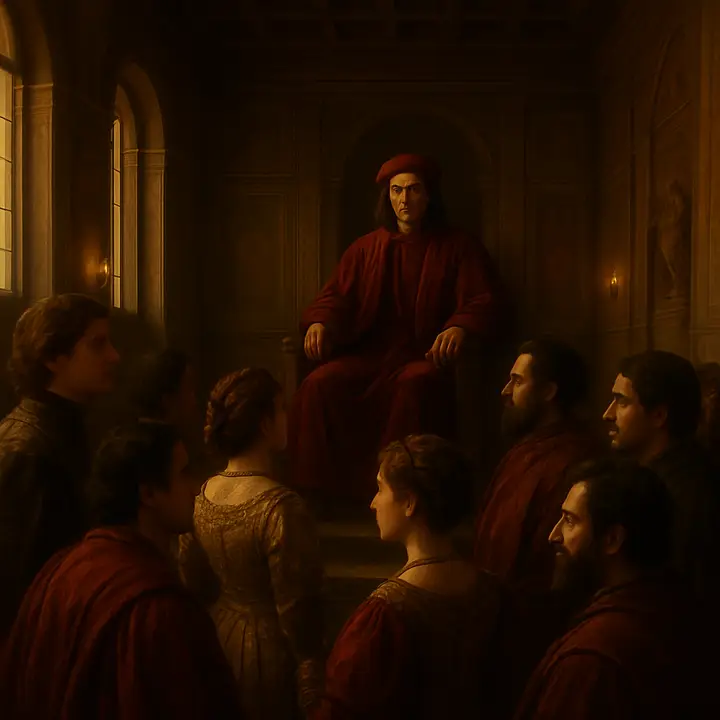
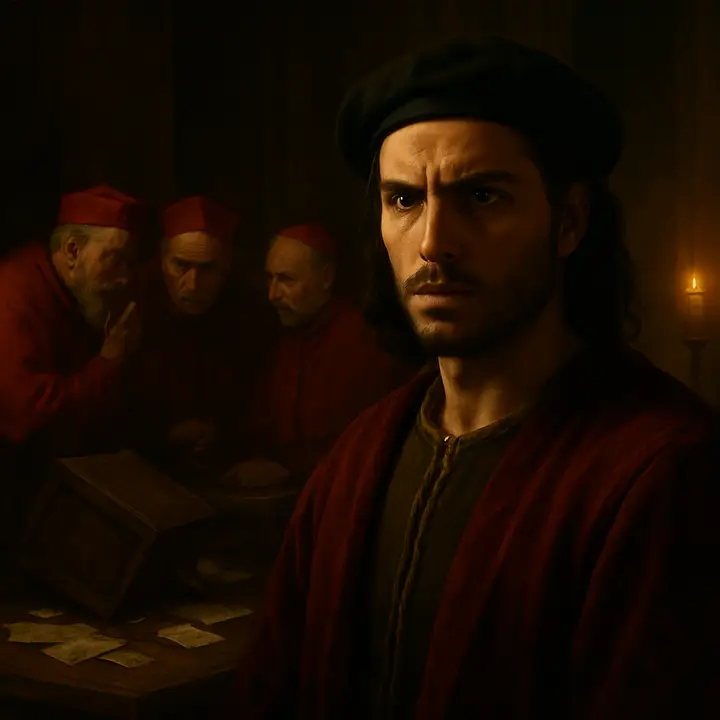
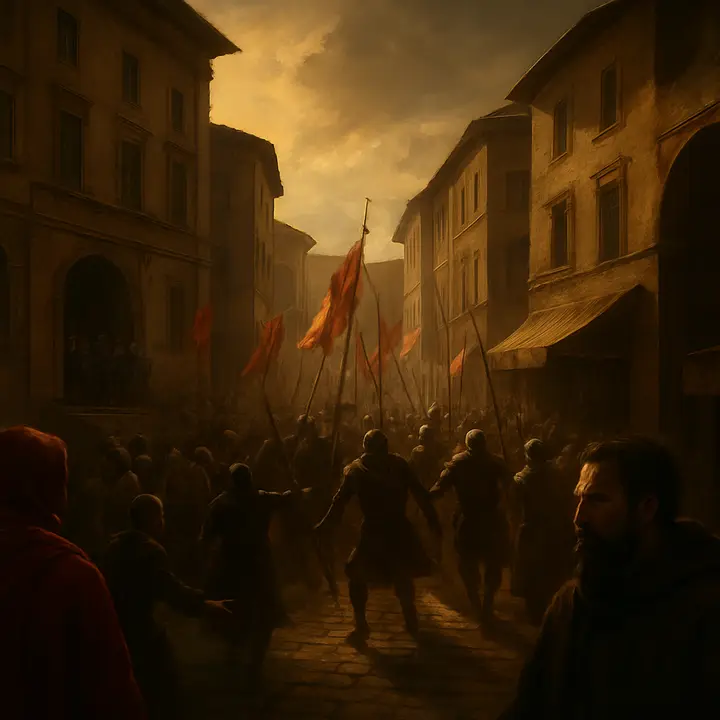
12 illustrated scenes. These appear beside the passage they depict as you read.
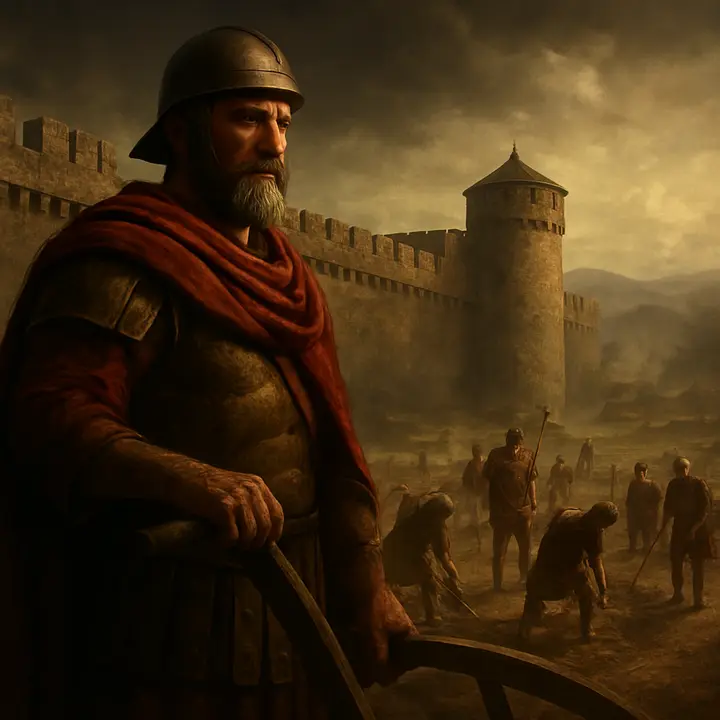
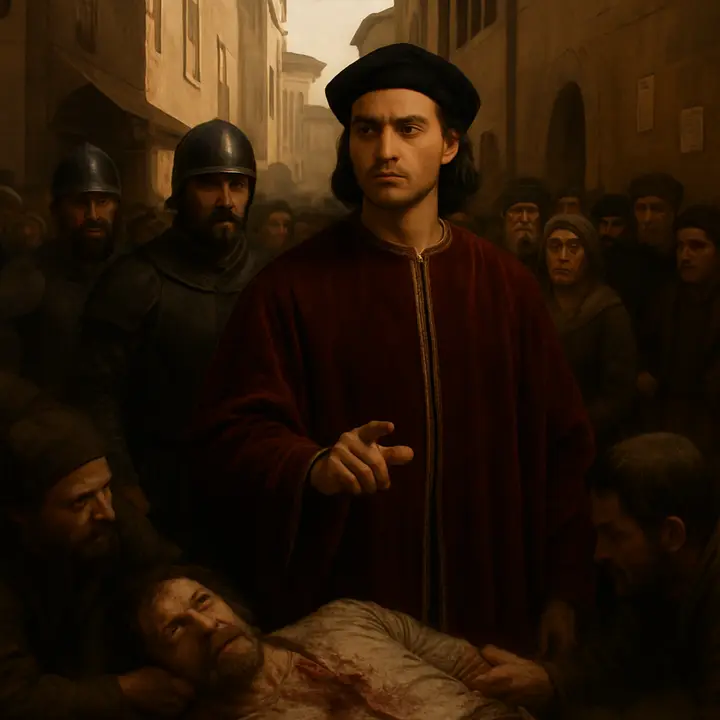
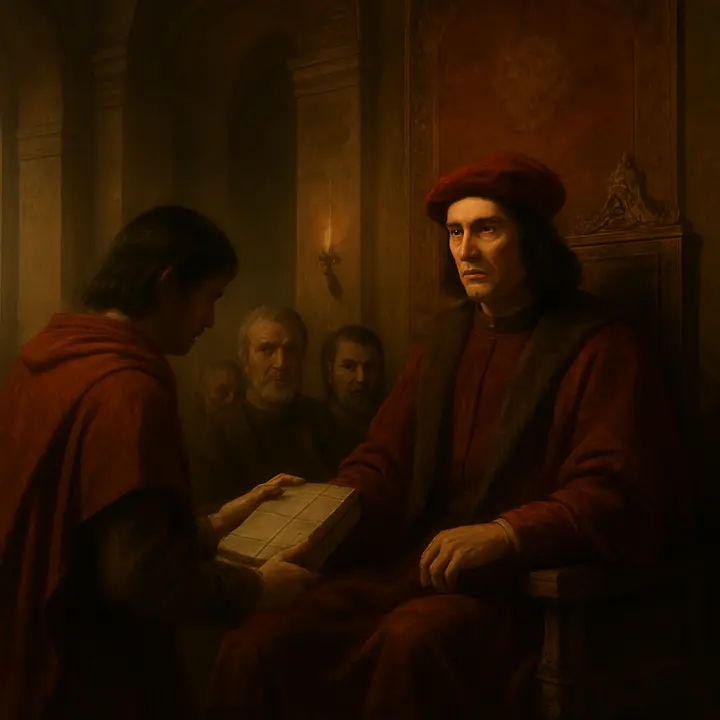
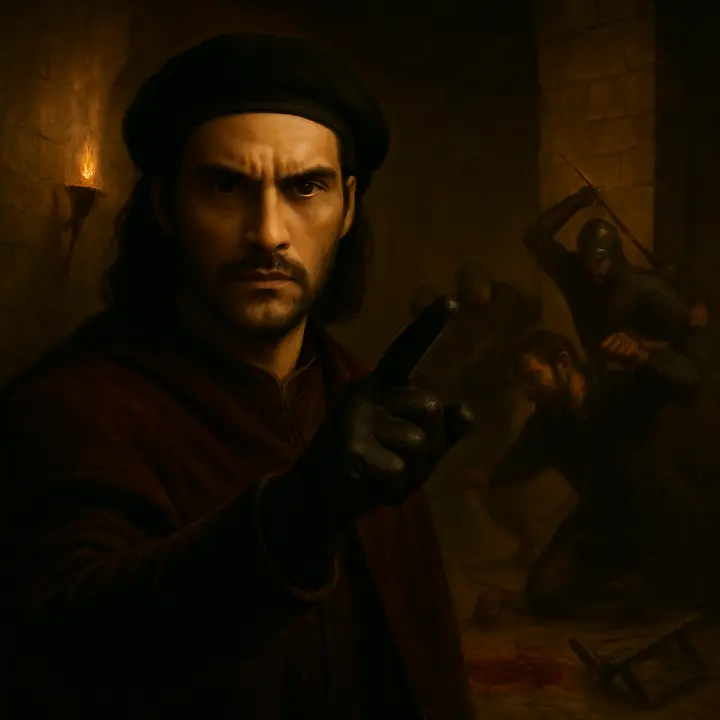

Themes
- Power and rule
- Virtue vs. necessity
- Military preparedness
- Fortune and agency
- Cunning and cruelty
Why Read The Prince?
Read The Prince to confront a clear-eyed account of political necessity: it strips moral abstraction from statecraft and replaces it with concrete decisions about force, reputation, and survival. The book teaches readers to evaluate leadership by results—how institutions are kept, how armies are raised, and how advice and appointments reflect a ruler’s security.
For anyone interested in history, politics, or leadership, Machiavelli supplies a compact toolkit of concepts and case studies that still illuminate modern institutions. Its examples and hard-nosed questions about the ethics of power sharpen critical thinking about governance, persuasion, and the trade-offs leaders face between ideals and effectiveness.
Experience The Prince on Book2Life
Read with AI-generated visuals, character portraits, audio narration, smart summaries, and more — free in your browser and on iPhone.