
Cinna the Poet in Julius Caesar
Minor character
A working Roman poet who wanders the streets and is mistaken for a conspirator because he shares a name with one.
Who is Cinna the Poet?
Cinna the Poet appears as an ordinary, curious writer moving through a tense Rome. In Act 1 he receives a covert task from Cassius: to plant forged letters praising Brutus so that Brutus will be persuaded to join the plot against Caesar. Cinna complies and departs to distribute the letters, functioning as a small but useful instrument in Cassius’s attempt to manipulate public opinion. He reappears on the day of Caesar’s funeral, traveling through the city and shaken by a nightmare in which he feasts with Caesar; despite his unease he continues on his way. In Act 3, scene 3, a frightened, interrogating mob stops him, fixates on his name, and assumes he is the conspirator Cinna rather than a poet. His honest, direct answers only accelerate their fury. The crowd, conflating name with guilt, seizes him and heads off intent on violent retribution. Cinna’s civic role and identity are overwhelmed by the crowd’s panic and desire for swift vengeance.
In the book: Cinna is a working poet in Rome, moving through the city with a writer’s curiosity just as the streets grow tense and noisy. When we meet him, he’s simply trying to get where he’s going, but his name and profession pull unwanted attention in a crowd that’s itching for answers.
Personality
- compliant
- He accepts Cassius’s instruction to plant forged letters praising Brutus and leaves at once to carry out the task.
- curious
- He moves through the city with a writer’s attention and is described as compelled to go out despite an ominous dream.
- honest
- When the mob questions him rapidly in Act 3, he answers their questions directly about his name, residence, and purpose.
- vulnerable
- Despite his protests that he is Cinna the poet, the citizens ignore him and seize him as soon as they think his name proves guilt.
Character arc
Cinna’s presence is small and essentially static across his appearances: he begins as a cooperative participant in Cassius’s scheme and ends as an innocent victim of popular violence. In Act 1 he acts as a willing operative, taking on the dirty, covert labor of placing forged letters to influence Brutus. He takes directions without question and departs to carry out Cassius’s plan. In Act 3 he is no longer an agent but a passerby: haunted by a dream, he goes into the streets to join the mourning and to witness events. There is no development into heroism or villainy; instead his arc demonstrates a descent from harmless civic engagement to tragic misidentification. He neither resists nor transforms the forces around him—he answers honestly, and that honesty becomes powerless against the crowd’s assumption. The play leaves his fate unresolved in the notes, but his trajectory from minor conspiratorial accomplice to mistaken casualty shows how political turmoil swallows ordinary lives.
Relationships
- Cassius Cassius instructs Cinna to place forged letters praising Brutus, using him as a covert tool in the conspiracy.
- Brutus Brutus is the intended recipient of the forged letters Cinna is told to plant to sway him toward the conspiracy.
- The Citizens (the mob) A frightened, vengeful crowd interrogates and then seizes Cinna, mistaking him for the conspirator of the same name.
- Caesar Cinna dreams of feasting with Caesar and is traveling to Caesar’s funeral when the mob stops him.
- Decius Brutus Decius is one of the conspirators present when Cinna receives his marching orders and helps carry out plans to manipulate events.
Quotes by Cinna the Poet
“I am Cinna the poet, I am Cinna the poet.”
Act 3, Scene 3Cinna repeats his identity desperately to distinguish himself from the conspirator, but the mob ignores his protest.
Why Cinna the Poet matters
Cinna the Poet embodies the collateral damage of political violence and the fragility of personal identity in a panicked public sphere. His mistaken persecution shows how names and symbols can be weaponized by crowds; private truth and civic roles mean little once mass fear demands a scapegoat. Through Cinna, the play highlights themes of mob mentality, the erosion of justice under political crisis, and how ordinary citizens—artists, bystanders—are vulnerable to the fallout of elite power struggles. His fate underscores the play’s warnings about rhetorical manipulation and the dangerous ease with which order breaks into chaos.
Chapters with Cinna the Poet
More Julius Caesar characters
 BrutusProtagonist
 CassiusAntagonist
 Mark AntonyAntagonist
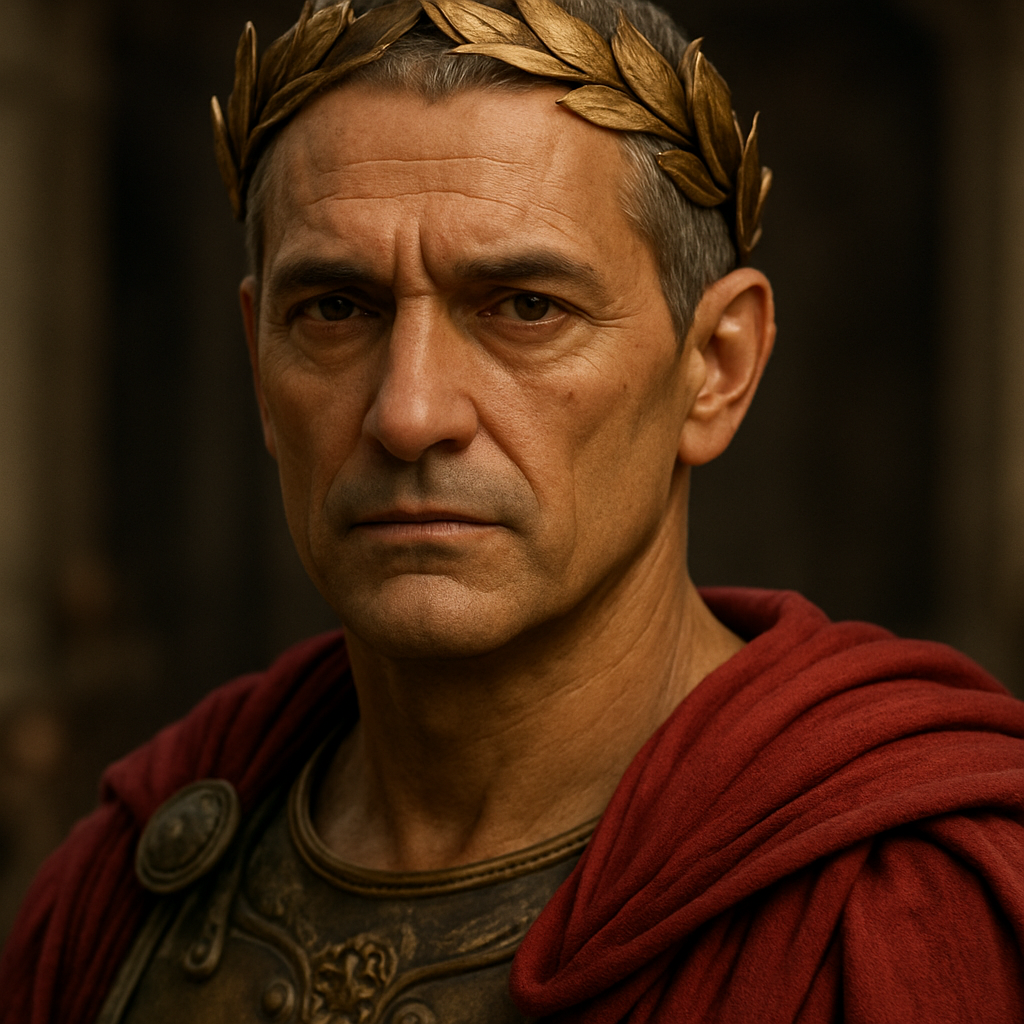 Julius CaesarProtagonist
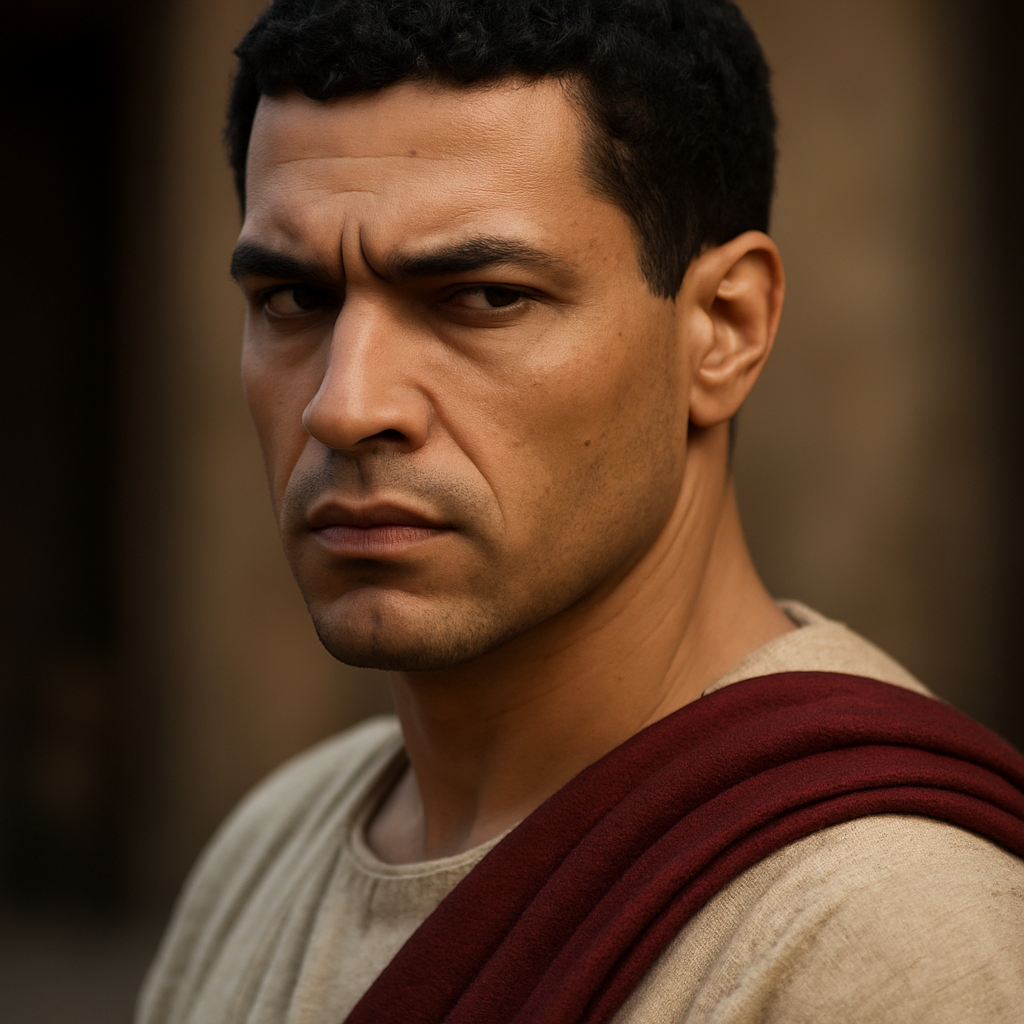 CascaMajor character
 LuciliusMajor character
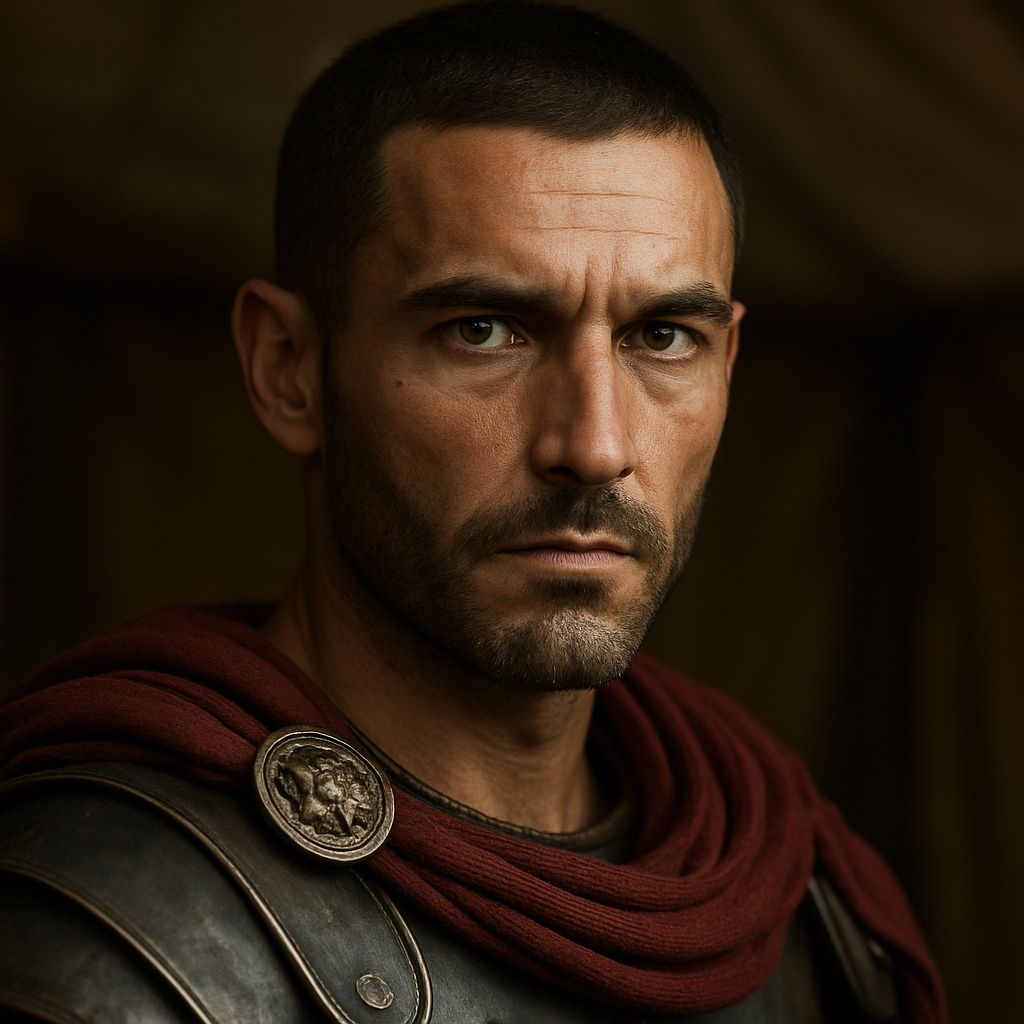 TitiniusMajor character
 Decius BrutusMajor character
All chapter summaries ›Characters ›
Read Julius Caesar illustrated
Every scene in these notes comes from the Book2Life reader, where the full public-domain text is illustrated as you read, with character portraits and narration. Free in your browser and on iPhone.
