
Mary Bennet in Pride and Prejudice
Minor character
The middle Bennet sister: bookish, moralizing, and eager to display accomplishments despite limited talent.
Who is Mary Bennet?
Mary Bennet is the middle of the five Bennet daughters at Longbourn. She values reading, moral reflection, and musical accomplishments and frequently offers solemn observations or lessons to her family. Mary seeks to mark herself as serious and accomplished within the household’s social life: she plays the piano and sings at gatherings (notably at the Netherfield ball) and pronounces moral distinctions in conversations about pride, vanity, and conduct. Her performances and lectures often contrast with her sisters’ livelier behaviour, drawing mild attention or gentle ridicule (for instance when her singing and moralizing stand out at Netherfield and at home). Mary rarely acts in the central plotlines — she does not pursue suitors or travel to society events with the same energy as Kitty or Lydia — but her constant gravitas and propensity to moralize provide a steady presence that frames family interactions and highlights tensions between showy accomplishment and genuine understanding.
In the book: The middle Bennet sister, Mary is bookish, moralizing, and eager to display “accomplishments” like piano and singing despite limited talent. Her pedantry and solemn lectures provide gentle comic contrast to her livelier sisters and highlight Austen’s themes about sense, vanity, and the difference between true understanding and showy learning. Though not central to the plot, Mary’s presence rounds out the Bennet family dynamic and underscores the social pressures on young women to appear accomplished.
Personality
- Pedantic
- At the Lucas visit she offers a moralizing distinction between pride and vanity, inserting a learned comment into general gossip.
- Bookish
- After the coach returns to Longbourn she expresses a grave preference for books during the household’s noisy breakfast.
- Earnest
- She immerses herself in music and moralizing at Longbourn when Jane and Elizabeth leave Netherfield, showing sincere devotion to her pursuits.
- Socially awkward
- Her ill-suited singing display at the Netherfield ball exposes the mismatch between her desire to perform accomplishments and the setting’s expectations.
- Conventional
- When Lydia elopes Mary responds by moralizing about the irretrievability of female virtue, echoing social norms of propriety.
Character arc
Mary’s presence is consistent rather than dramatically transformative: from her first scenes she is the earnest, moralizing middle sister, and she remains so through the novel’s events. Early chapters establish her tendency to contrast seriousness with her sisters’ livelier conduct (offering moral distinctions after the Meryton assembly and at the Lucas visit). At Netherfield and the ball her attempts to display accomplishment—playing and singing—reveal both her desire for recognition and the limits of her social ease. During family crises, such as Lydia’s elopement, Mary falls back into her conventional moralizing, underlining her steady commitment to propriety rather than impetuous action. By the end of the story she remains at Longbourn more than the married sisters, resuming her moralizing role in domestic life but with somewhat softened edges as the household’s circumstances change; she participates in the resumed social interactions without the sharpness of earlier contrast. Mary’s arc is one of relative stability: she refuses or fails to transform dramatically, serving instead as a stable moral and bookish counterpoint within the Bennet family.
Mary Bennet in pictures

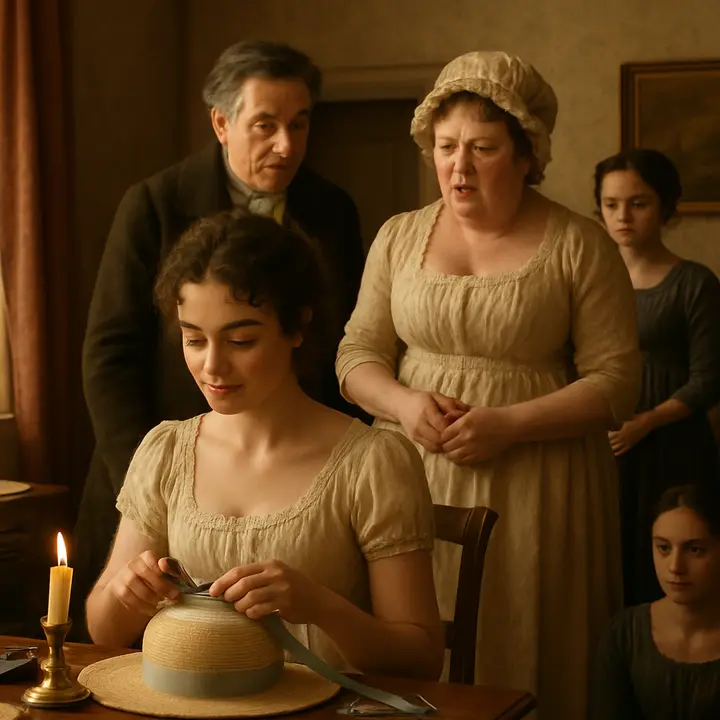
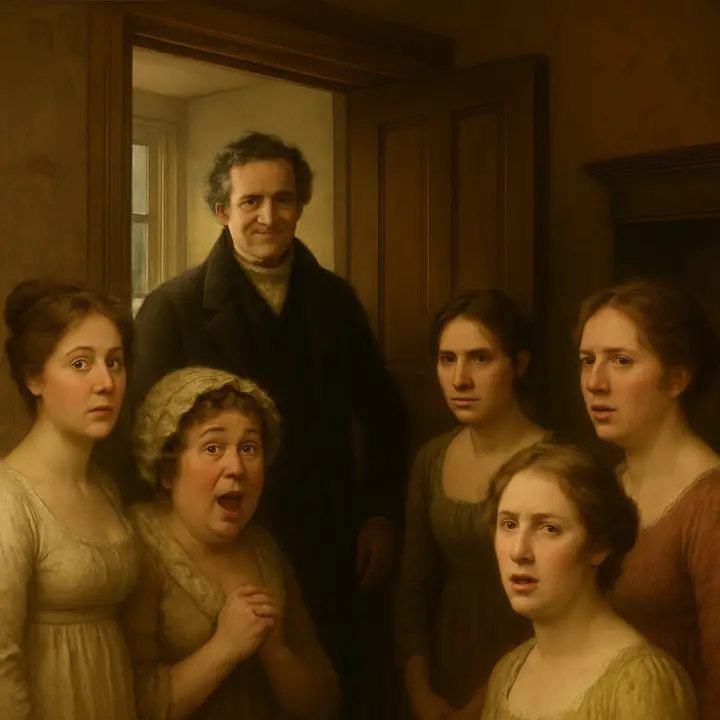
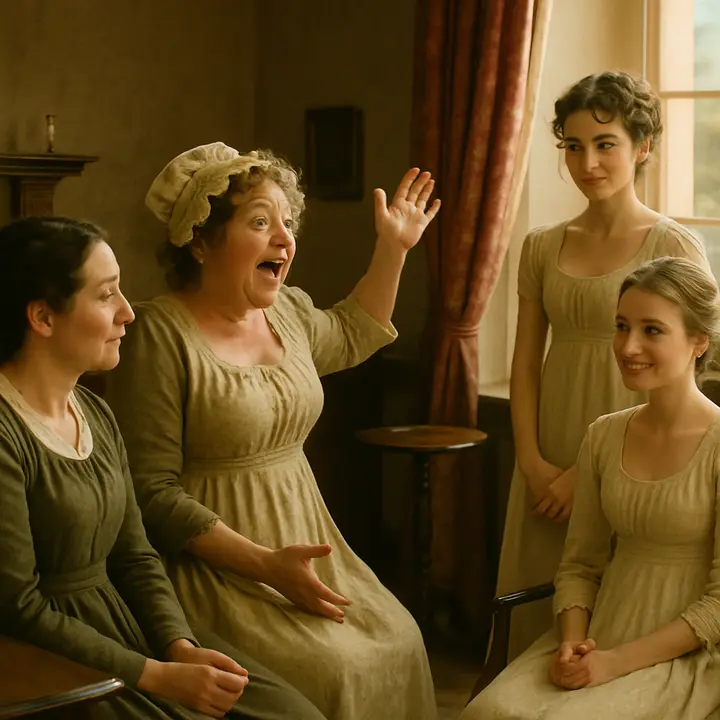
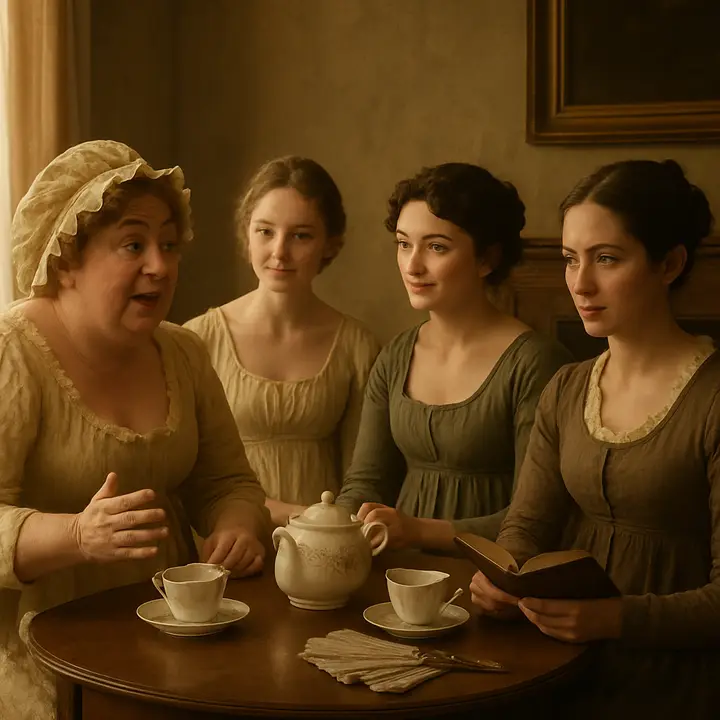

Relationships
- Mrs. Bennet Her mother, whose matrimonial anxieties and social scheming Mary observes and sometimes answers with moral remarks.
- Mr. Bennet Her father, who teases her learned seriousness and tolerates her pedantry with dry amusement.
- Elizabeth Bennet Her sister, whose practical wit and lively social sense contrast with Mary’s solemnity and bookishness.
- Jane Bennet Her eldest sister, admired by the neighbourhood and the focus of family hopes, whom Mary supports through quiet propriety.
- Kitty Bennet Her younger sister, with whom Mary shares household life but who is more frivolous and social than Mary.
- Lydia Bennet Her youngest sister, whose reckless behaviour provokes Mary’s moralizing comments about virtue and consequence.
Quotes by Mary Bennet
“Pride relates more to our opinion of ourselves; vanity to what we would have others think of us.”
Chapter 5Mary offers a moralizing definition distinguishing pride and vanity, revealing her earnest, bookish manner and the novel’s thematic focus.
“This is a most unfortunate affair, and will probably be much talked of.”
Chapter 47Mary responds with moralizing detachment, announcing the social consequences and the theme of female reputation that preoccupies the family.
Why Mary Bennet matters
Mary functions as a comic but meaningful foil: her pedantry and display of accomplishments illuminate Austen’s critique of superficial accomplishment and social performance. By contrasting Mary’s solemn self-improvement with Jane’s genuine sweetness and Elizabeth’s practical intelligence, the novel shows the difference between ostentatious learning and true understanding. Mary also helps dramatize family dynamics and social pressures on young women to appear accomplished; her moral lectures and musical exhibitions make visible the limited avenues for female distinction in her social world and invite readers to question the value of appearance over substance.
Chapters with Mary Bennet
More Pride and Prejudice characters
 Elizabeth BennetProtagonist
 Jane BennetMajor character
 Mr. BingleyMajor character
 Mr. DarcyMajor character
 Mrs. BennetMajor character
 Mr. BennetMajor character
 Lydia BennetMinor character
 Mr. CollinsMajor character
All chapter summaries ›Characters ›
Read Pride and Prejudice illustrated
Every scene in these notes comes from the Book2Life reader, where the full public-domain text is illustrated as you read, with character portraits and narration. Free in your browser and on iPhone.
