
Lydia Bennet in Pride and Prejudice
Minor character
Youngest Bennet sister: impulsive, flirtatious, and vain; her elopement with Wickham creates scandal and drives key resolutions.
Who is Lydia Bennet?
Lydia Bennet is the youngest Bennet sister who craves attention, dance, and the company of the local militia. She pursues officers eagerly, delights in gossip and fashion, and treats social rules lightly. Lydia accepts an invitation to Brighton and, while there, runs off with Mr. Wickham, an officer with a dubious past. Her disappearance provokes panic at Longbourn, forces Mr. Bennet and the Gardiners into urgent action, and threatens the family’s reputation and Jane’s prospects. Though her elopement risks ruin, Mr. Gardiner negotiates with Wickham and secures a marriage with financial arrangements; later accounts reveal that Mr. Darcy also privately intervenes to locate the couple and ensure the match. Lydia returns married and unabashed, flaunting her ring and wedding details, showing little remorse and little change in behavior. Her conduct supplies comic energy but also functions as a crisis catalyst that compels other characters to act responsibly and exposes family weaknesses.
In the book: The youngest Bennet sister, Lydia is impulsive, flirtatious, and obsessed with the local militia, providing comic energy that contrasts with her elder sisters’ sensibilities. Her heedless pursuits and lack of discretion create social risks for the Bennet family, becoming a key catalyst that raises the stakes of the plot and forces other characters to confront issues of reputation, responsibility, and maturity.
Personality
- Impulsive
- She accepts Mrs. Forster’s invitation to Brighton and soon elopes with Wickham (Ch. 41; Ch. 46).
- Flirtatious
- At Mrs. Philips’s she charms the company and sits flirting at cards with Elizabeth and others, enjoying attention (Ch. 16).
- Vain
- On her return after the marriage she flaunts her new ring and brags about how she announced the match to acquaintances (Ch. 51).
- Heedless
- Her reckless departure from Brighton with Wickham catches the family by surprise and exposes them to scandal (Ch. 46).
- Unrepentant
- During her visit after the wedding she remains giddy and unconcerned about consequences, treating the affair lightly (Ch. 51).
Character arc
Lydia appears from the start as the carefree, attention-loving youngest sister, obsessed with officers and fashion. Early scenes show her eager participation in dances and gossip and her readiness to seize social invitations (Ch. 3; Ch. 7; Ch. 18). Her behaviour escalates when she accepts an invitation to Brighton (Ch. 41) and culminates in the crisis of her elopement with Mr. Wickham, which shocks Longbourn and mobilizes Mr. Bennet, the Gardiners, and others to search and negotiate (Ch. 46–49). The immediate practical consequence is a hurried settlement and marriage arranged with Gardner assistance, and later disclosures reveal Mr. Darcy’s secret intervention to secure the match (Ch. 49; Ch. 52). On return, Lydia shows little introspection or moral growth: she boasts of her marriage and displays the same frivolous temper that caused the trouble (Ch. 51). Thus Lydia’s arc is largely static in character—her actions catalyze change in others and expose family flaws rather than producing substantial personal reform.
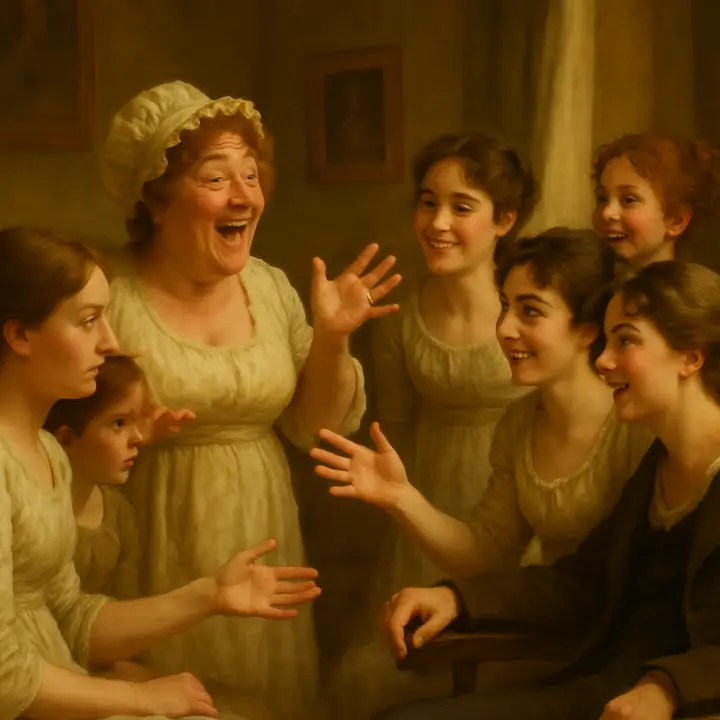
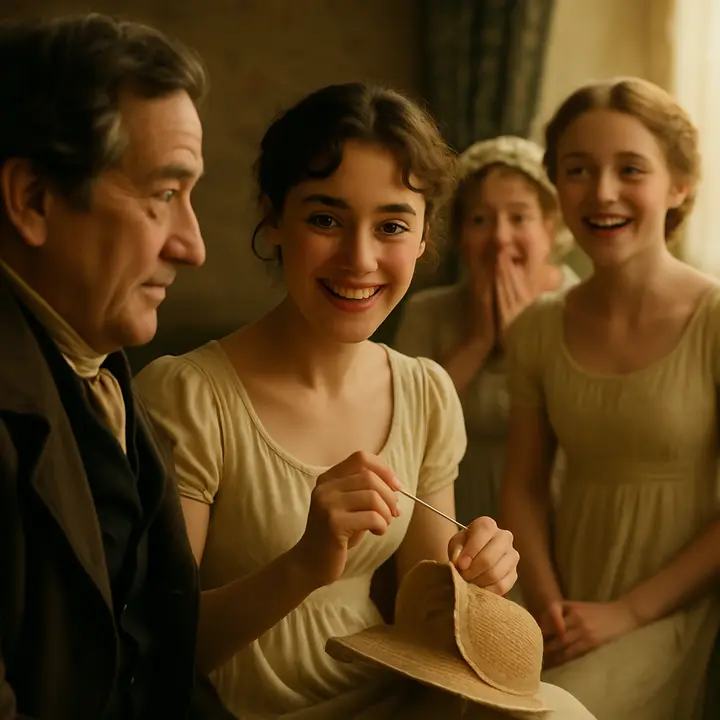
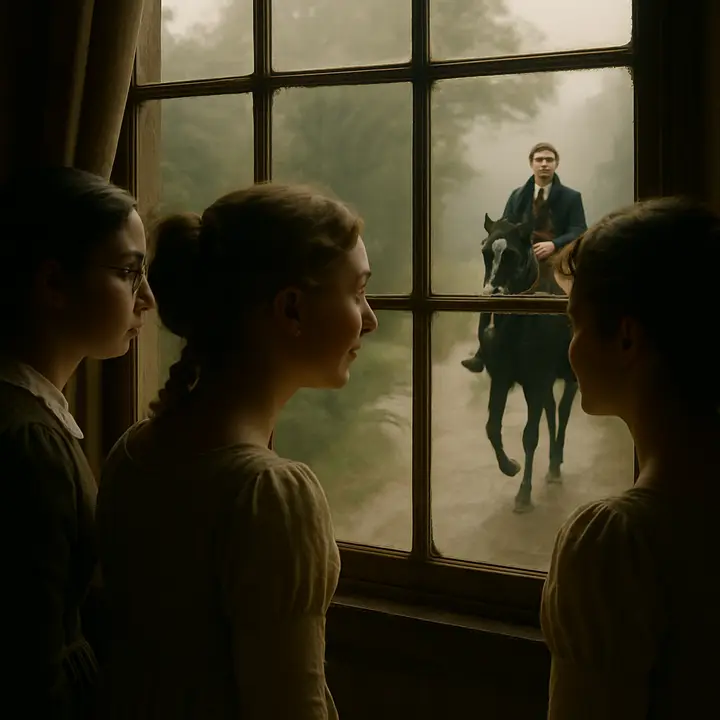
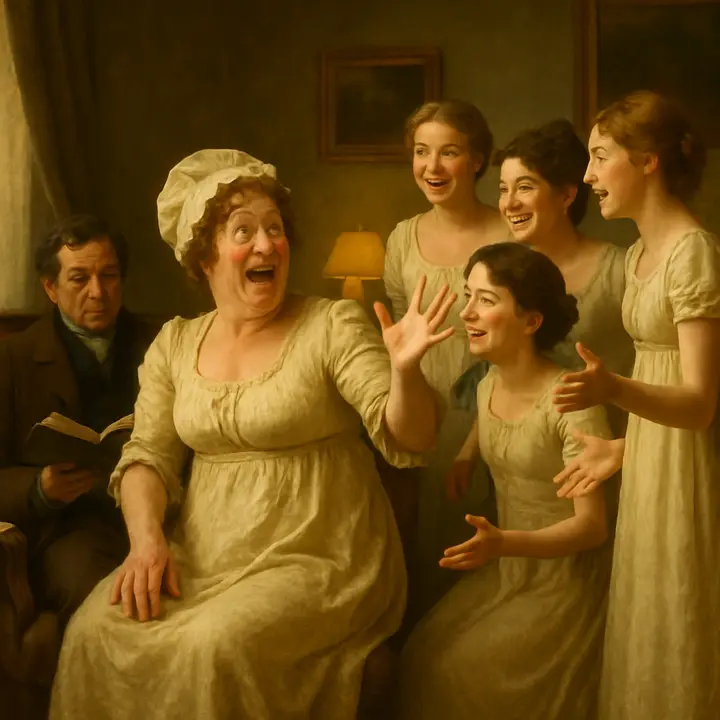
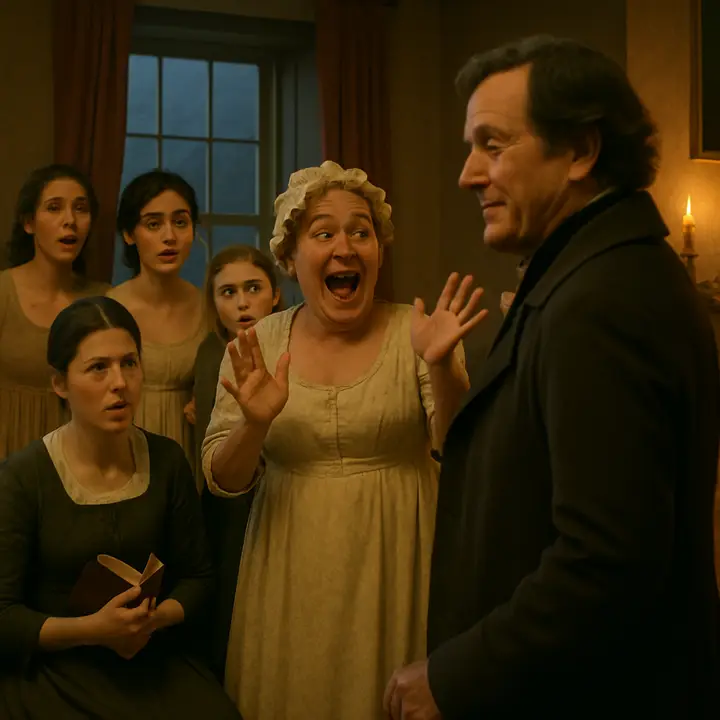
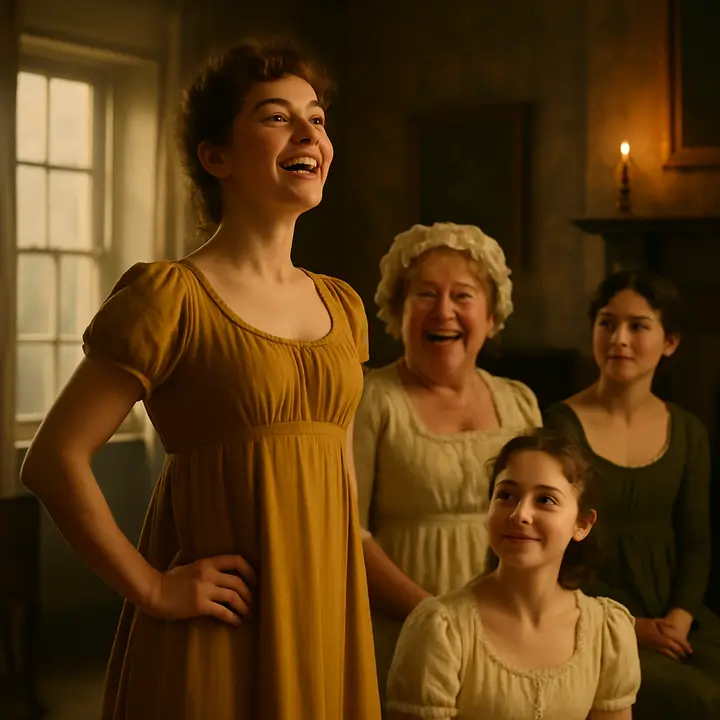
Lydia Bennet in pictures
Relationships
- Elizabeth Bennet Older sister who disapproves of Lydia’s recklessness and later feels shame and responsibility for Lydia’s danger (Ch. 46–52).
- Kitty Bennet Close younger-sister companion in flirtation and fashion; Kitty mimics Lydia’s behaviour and shares her excitement about officers (Ch. 3; Ch. 41).
- Mrs. Bennet Mother whose matrimonial ambitions and indulgence encourage Lydia’s thoughtlessness and who later exults over the marriage (Ch. 1; Ch. 51).
- Mr. Bennet Father whose initial indifference allows Lydia’s folly; he is driven to London to search and later exhibits austere reproach (Ch. 46; Ch. 48).
- Mr. Wickham Officer with whom Lydia elopes and whom she marries; his dubious character and debts precipitate the family crisis (Ch. 46; Ch. 51).
- Mr. Gardiner Family relation whose intervention and payments help secure Lydia’s marriage and rescue the Bennets from social ruin (Ch. 47–50; Ch. 52).
Quotes by Lydia Bennet
“Good Lord! Sir William, how can you tell such a story? Do not you know that Mr. Collins wants to marry Lizzy?”
Chapter 23Lydia’s loud, uninhibited reaction exposes household incredulity and social confusion about Mr. Collins’s intentions.
““How nicely we are crammed in!” cried Lydia.”
Chapter 39Sums up the crowded, noisy return trip and Lydia’s exuberant, trivializing view of events.
““There is no danger of Wickham’s marrying Mary King—there’s for you! She is gone down to her uncle at Liverpool; gone to stay. Wickham is safe.””
Chapter 39Announces the important bit of gossip that relieves immediate concern about Wickham’s prospects and spreads news through the family.
““I am sure I shall break mine,” said Lydia.”
Chapter 41Shows Lydia's melodramatic attachment to the regiment and her readiness to dramatize any social event.
“I am going to Gretna Green, and if you cannot guess with who, I shall think you a simpleton, for there is but one man in the world I love, and he is an angel.”
Chapter 47Lydia’s flippant letter proves the elopement was deliberate and reveals her immaturity and lack of foresight, increasing the family’s alarm.
“I wish you joy. If you love Mr. Darcy half so well as I do my dear Wickham, you must be very happy.”
Chapter 61Lydia’s congratulatory but frivolous letter reveals her shallow understanding of marriage and echoes the couple’s different social values.
Why Lydia Bennet matters
Lydia embodies the dangers of unchecked vanity and youthful indiscretion in a society where female reputation shapes destiny. Her thoughtless elopement dramatizes how private folly becomes public scandal, forcing responsible characters to act—Mr. Gardiner’s prudence, Mr. Bennet’s uneasy authority, and Mr. Darcy’s secret generosity. Lydia’s static character and frivolous recovery highlight themes of responsibility, the social costs of imprudence, and the uneven distribution of consequences within families: while Lydia escapes with few lessons learned, others absorb the burden, revealing moral and social imbalances the novel interrogates.
Chapters with Lydia Bennet
- Chapter 1
- Chapter 2
- Chapter 3
- Chapter 7
- Chapter 9
- Chapter 12
- Chapter 13
- Chapter 14
- Chapter 15
- Chapter 16
- Chapter 17
- Chapter 18
- Chapter 20
- Chapter 23
- Chapter 36
- Chapter 37
- Chapter 39
- Chapter 41
- Chapter 42
- Chapter 44
- Chapter 46
- Chapter 47
- Chapter 48
- Chapter 49
- Chapter 50
- Chapter 51
- Chapter 52
- Chapter 53
- Chapter 55
- Chapter 56
- Chapter 57
- Chapter 58
- Chapter 59
- Chapter 61
More Pride and Prejudice characters
 Elizabeth BennetProtagonist
 Jane BennetMajor character
 Mr. BingleyMajor character
 Mr. DarcyMajor character
 Mrs. BennetMajor character
 Mr. BennetMajor character
 Mr. CollinsMajor character
 Mr. WickhamMajor character
All chapter summaries ›Characters ›
Read Pride and Prejudice illustrated
Every scene in these notes comes from the Book2Life reader, where the full public-domain text is illustrated as you read, with character portraits and narration. Free in your browser and on iPhone.
