
Mr. Collins in Pride and Prejudice
Major character
A pompous, obsequious clergyman and heir presumptive to Longbourn who flatters Lady Catherine and pursues a convenient marriage.
Who is Mr. Collins?
Mr. Collins is the Bennet family’s socially awkward, self-important cousin and the entailed heir to Longbourn. Motivated by duty, social advancement, and the approval of his patroness Lady Catherine de Bourgh, he comes to Longbourn to ingratiate himself and to seek a wife among the Bennet daughters. He delivers long-winded praises of Lady Catherine (Chapter 14), offers pompous moralizing and tedious readings, and makes a formal, officious marriage proposal to Elizabeth (Chapter 19) which she refuses. Convinced he was merely encountering modest coyness, he soon transfers his attentions to Charlotte Lucas and marries her for security (Chapters 22–25). Settled at the parsonage near Rosings, he performs continual obeisances to Lady Catherine, reports news dutifully, and provides comic relief through his inflated self-regard and lack of self-awareness (Chapters 28–38). He remains devoted to ceremony, propriety, and his patroness, serving as a foil to more discerning characters while illustrating the social pressures that shape marriages and status.
In the book: Mr. Collins is a clergyman and the Bennet sisters’ obsequious cousin who stands to inherit their home, Longbourn, because of the entail. Socially awkward yet self-important, he is devoted to his lofty patroness, Lady Catherine de Bourgh. His visit and clumsy courtship efforts create comedic tension, illuminate the era’s marriage and class pressures, and serve as a satirical foil to the novel’s more discerning characters without driving the central romance himself.
Personality
- Obsequious
- He repeatedly praises Lady Catherine’s condescension and reports every civility shown to him, especially in his long recital at dinner (Chapter 14) and his rapturous accounts after visits to Rosings (Chapters 29–30).
- Pompous
- He delivers a formal, excessive speech when proposing to Elizabeth and insists his reasons and benefactions justify the match (Chapter 19).
- Socially awkward
- His solemn reading of Fordyce’s Sermons and rebuke of the younger women’s gossip provokes restlessness and reveals his inability to read a room (Chapter 14).
- Pragmatic
- After Elizabeth’s refusal he quickly redirects his courtship to Charlotte Lucas and arranges a practical marriage for security (Chapters 20–22).
- Self-important
- He interprets Elizabeth’s refusal as modesty, lectures the family on propriety in letters, and assumes authority in commenting on others’ conduct (Chapters 20, 57).
Character arc
Mr. Collins arrives as a figure of comic pomposity: vain, dutiful to his patroness, and convinced of his own importance. Early scenes show him monopolizing conversation, reading sermons solemnly, and praising Lady Catherine at every opportunity (Chapter 14). His ambition to marry into the Bennet family leads to a formal, oblivious proposal to Elizabeth (Chapter 19), and his inability to accept a plain refusal without rationalizing it underscores his detachment from sincere feeling. Rather than suffer humiliation, he reinterprets events, quickly courts and marries Charlotte Lucas (Chapters 20–22), thereby securing his social and domestic aims. Married life at the parsonage only magnifies his deference to Lady Catherine: he spends his days reporting to her, admiring Rosings, and managing small household affairs with officious gravity (Chapters 28–36). He remains essentially unchanged in temperament—still obsequious, still pompous—but his swift, practical marriage and settled role as a dutiful clergyman show a resolution of his aims: he attains the comfortable station he sought without undergoing moral growth or self-awareness.
Relationships
- Lady Catherine de Bourgh His patroness and object of veneration; he flatters and dutifully reports to her and models his behaviour on her approval (Chapters 14, 29–30).
- Charlotte Lucas Wife; he marries her shortly after Elizabeth’s refusal and settles at the parsonage with her (Chapters 22–25, 28).
- Elizabeth Bennet Rejected suitor whose refusal he misreads as modesty; their awkward interactions underline his inability to perceive sincere feeling (Chapters 19–21, 28–30).
- Mr. Bennet Cousin whose ironic distance and allowance of Collins’s visit create comic tension; Mr. Bennet invites him to keep the library peace (Chapter 15).
- Mrs. Bennet Mother-in-law figure to be (to the extent Mrs. Bennet imagines it); she oscillates between hope and anger over his proposals and their implications for Longbourn (Chapters 15, 20, 23).
- Maria Lucas Sister-in-law by marriage; she accompanies Elizabeth to Hunsford and shares in the social routines around the Collins household (Chapters 27–28, 38).
Quotes by Mr. Collins
“She has one only daughter, the heiress of Rosings, and of very extensive property.”
Chapter 14Collins explains Lady Catherine's family and status, flattering Miss de Bourgh's rank to please his patroness.
“I have often observed how little young ladies are interested by books of a serious stamp, though written solely for their benefit.”
Chapter 14Collins rebukes the Bennet women for preferring gossip to instructive reading, showing his didactic attitude toward feminine improvement.
“He was then, he said, on his way to Longbourn on purpose to inquire after her.”
Chapter 15Bingley’s flattering civil remark to Jane that reinforces his affection and social attentiveness toward the Bennet family.
“His father, Miss Bennet, the late Mr. Darcy, was one of the best men that ever breathed, and the truest friend I ever had;”
Chapter 16Wickham praises the late Mr. Darcy to show his past closeness to the family and to heighten the contrast with the present Mr. Darcy's alleged cruelty.
“I have been a disappointed man, and my spirits will not bear solitude.”
Chapter 16Wickham explains his attraction to military life and social company, revealing his personal needs that justify his pursuit of society.
“I am by no means of opinion, I assure you," said he, "that a ball of this kind, given by a young man of character, to respectable people, can have any evil tendency;”
Chapter 17Mr. Collins rationalizes dancing and society, and uses the occasion to request Elizabeth's first two dances, revealing his officiousness.
Why Mr. Collins matters
Mr. Collins embodies the novel’s satire of social ambition, deference to rank, and pragmatic marriage strategies. Through his obsequiousness to Lady Catherine and his brisk, convenience-based match with Charlotte, he highlights the limited options and social pressures facing women and lesser gentry. His comic pomposity exposes the emptiness of status-conscious behaviour and forces other characters—and readers—to contrast sincere affection with marriages arranged for security. Even as he never achieves genuine self-knowledge, his presence clarifies themes of pride, social climbing, and the market-like transactions that shape relationships in the society Austen depicts.
Chapters with Mr. Collins
- Chapter 3
- Chapter 14
- Chapter 15
- Chapter 16
- Chapter 17
- Chapter 18
- Chapter 19
- Chapter 20
- Chapter 21
- Chapter 22
- Chapter 23
- Chapter 24
- Chapter 25
- Chapter 26
- Chapter 27
- Chapter 28
- Chapter 29
- Chapter 30
- Chapter 32
- Chapter 33
- Chapter 36
- Chapter 37
- Chapter 38
- Chapter 39
- Chapter 40
- Chapter 44
- Chapter 48
- Chapter 51
- Chapter 55
- Chapter 56
- Chapter 57
- Chapter 59
- Chapter 60
- Chapter 61
More Pride and Prejudice characters
 Elizabeth BennetProtagonist
 Jane BennetMajor character
 Mr. BingleyMajor character
 Mr. DarcyMajor character
 Mrs. BennetMajor character
 Mr. BennetMajor character
 Lydia BennetMinor character
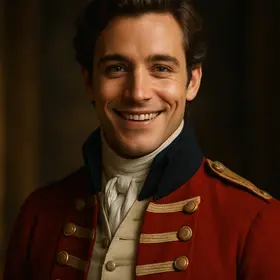 Mr. WickhamMajor character
All chapter summaries ›Characters ›
Read Pride and Prejudice illustrated
Every scene in these notes comes from the Book2Life reader, where the full public-domain text is illustrated as you read, with character portraits and narration. Free in your browser and on iPhone.
