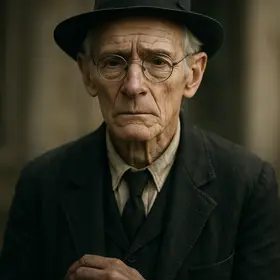
Henry Gatz in The Great Gatsby
Minor character
Gatsby’s modest, proud Midwestern father who arrives to mourn and reveal his son’s humble origins.
Who is Henry Gatz?
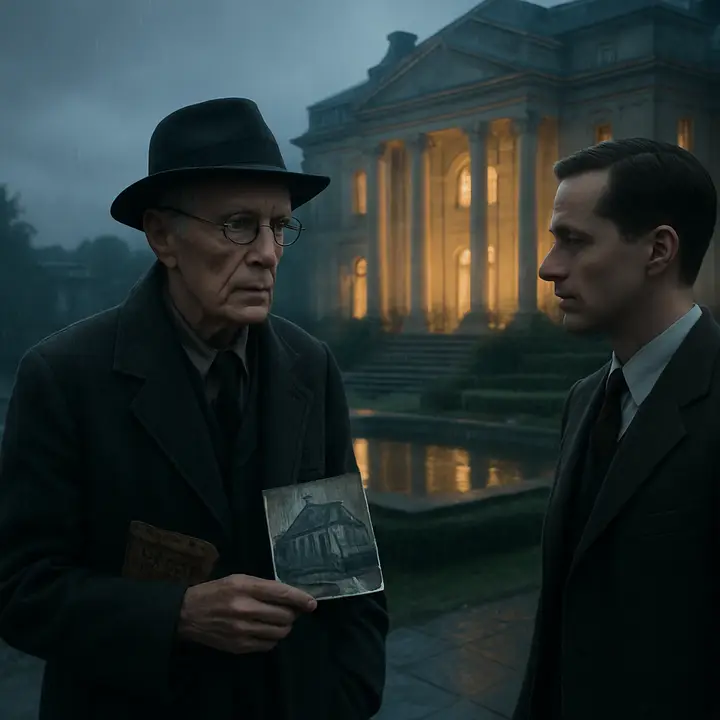
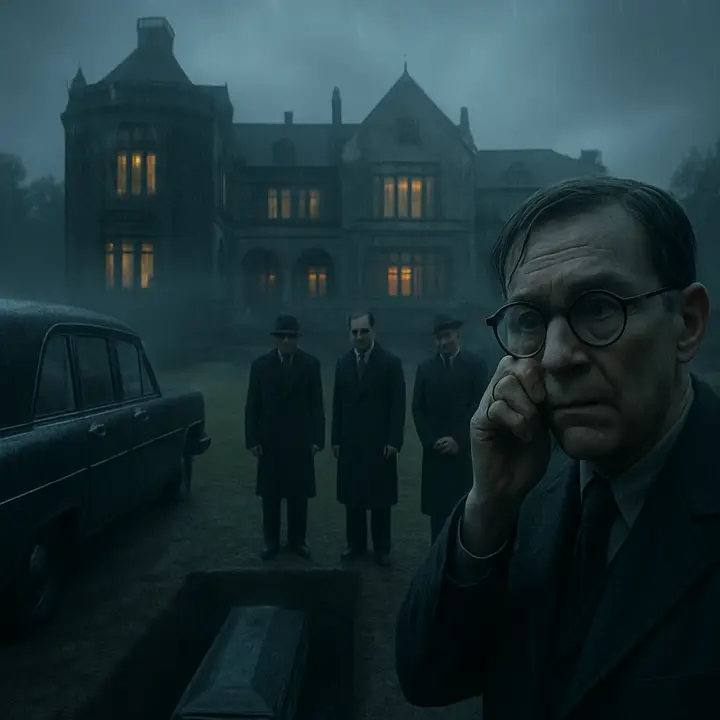
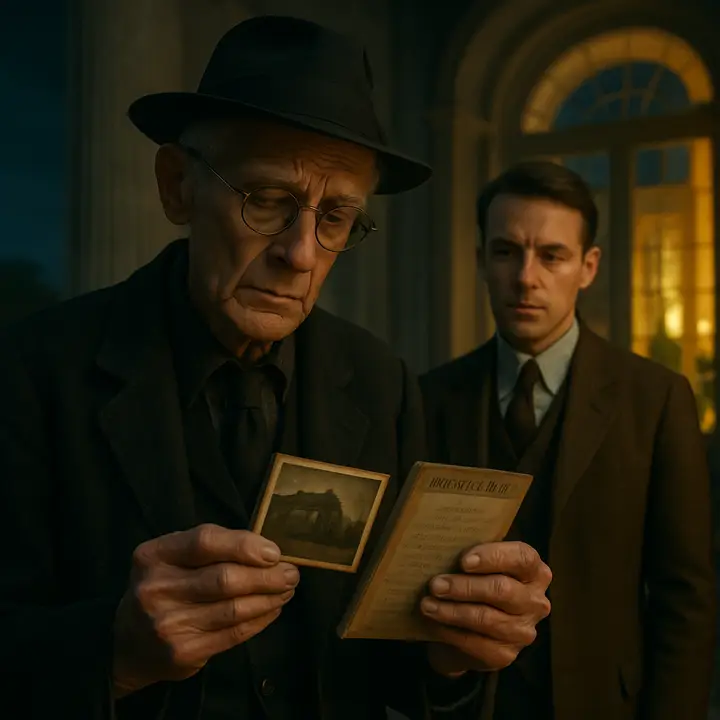
Henry C. Gatz arrives from the Midwest after his son’s death, a solemn, bewildered old man whose brief presence illuminates Jay Gatsby’s past and origins. He brings cherished mementos—photographs and a youth schedule—that testify to Jimmy Gatz’s early ambitions, self-discipline, and striving. In a social scene otherwise marked by selfishness and flight, Mr. Gatz’s quiet pride and grief stand apart: he wants to honor and understand his son, to see him properly buried, and to preserve the memory of the boy he raised. He attends the sparsely attended funeral and accepts Nick’s help and arrangements. Through his restrained behavior and the artifacts he produces, Henry Gatz offers concrete evidence of Gatsby’s transformation from a determined Midwestern boy to the mysterious, self-made figure of West Egg, and he deepens the novel’s exploration of family, aspiration, and the distance between origin and public persona.
In the book: Henry C. Gatz is Gatsby’s modest Midwestern father, whose brief appearance illuminates Gatsby’s humble origins and lifelong drive to better himself. Through Mr. Gatz’s quiet pride and the artifacts he brings, the story contrasts aspiration with background and deepens the novel’s themes of reinvention, class, and the distance between who we are and who we hope to become.
Personality
- Proud
- He produces photographs and Jimmy’s youth schedule and speaks with quiet pride about his son’s early ambitions.
- Solemn
- He arrives bewildered and mournful, attending the funeral despite the absence of most of Gatsby’s acquaintances.
- Humble
- He comes from the Midwest and acts simply and unassumingly amid the extravagant, careless world of East Egg and West Egg.
- Devoted
- He travels to New York to see his son’s body and to ensure Gatsby receives a proper burial.
Character arc
Henry Gatz appears only after the tragedy of Gatsby’s death, and his role is to connect the end of Jay Gatsby’s life back to its beginning. He arrives bewildered but composed, carrying the small evidences of Jimmy Gatz’s early life—photographs and a meticulous youth schedule—that confirm a lifelong pattern of self-improvement and aspiration. Throughout the funeral preparations and the ceremony, he remains steadfast and dignified, refusing to be swayed by the indifference and evasions of Gatsby’s ostensible friends. He does not change dramatically; rather, his presence shifts the narrative perspective: from the glittering, careless East to a Midwestern sensibility that values work, discipline, and familial loyalty. By the end of his brief stay, Henry’s quiet pride and grief crystallize the contrast between Gatsby’s invented public identity and his modest origins, and his unwillingness to retreat preserves a personal truth about his son that the rest of society ignores. He departs having honored Jimmy’s memory, leaving Nick with the final, human facts that reshape how the story is understood.
Henry Gatz in pictures
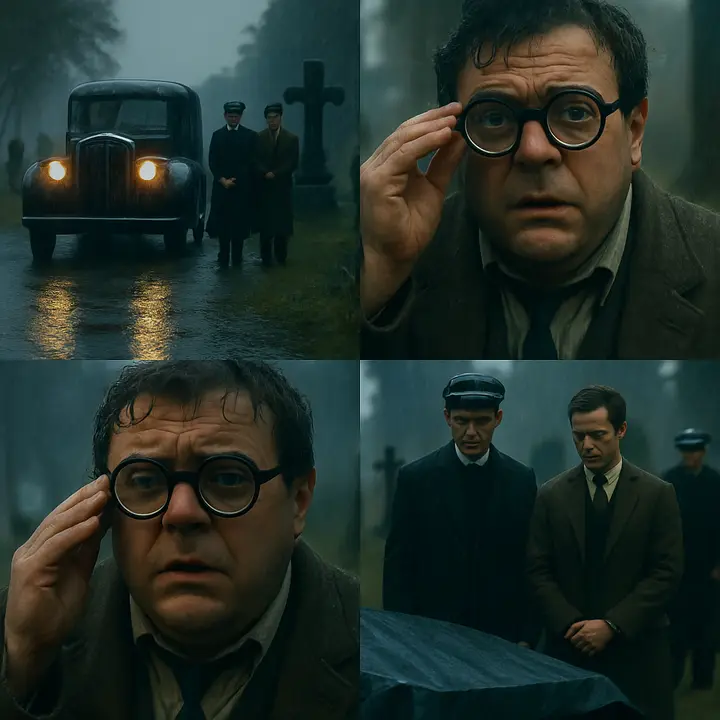
Relationships
- Jay Gatsby He is Gatsby’s father, proud and mourning, and the keeper of Jimmy Gatz’s early artifacts and memories.
- Nick Carraway Nick acts as the primary intermediary who arranges the funeral and assists Henry Gatz in burying his son.
- Meyer Wolfsheim Wolfsheim is a distant acquaintance who declines involvement; Henry receives no support from him.
- Owl Eyes The owl-eyed man attends the funeral and offers sympathy to Henry Gatz when so few others come.
- Daisy Buchanan Daisy, who was central to Gatsby’s life, sends no word or attendance, deepening Henry’s bewilderment and grief.
- Tom Buchanan Tom’s earlier actions precipitate events that lead to Gatsby’s death; Henry encounters the consequences though not Tom directly at length.
Why Henry Gatz matters
Henry Gatz serves as the book’s human tether to Gatsby’s origins, making tangible the novel’s themes of reinvention, the illusion of the American Dream, and class distance. His artifacts and steady grief reveal that Gatsby’s grand identity rests on a humble, disciplined past, forcing readers to reconcile aspiration with actual lineage. In the face of East Egg carelessness and social abandonment, Henry’s dignified presence underscores the moral cost of social climbing and highlights the novel’s critique of a society that honors spectacle but neglects personal loyalty.
Chapters with Henry Gatz
More The Great Gatsby characters
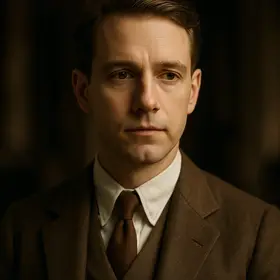 Nick CarrawayNarrator
 Tom BuchananAntagonist
 Daisy BuchananMajor character
 Jay GatsbyProtagonist
 Jordan BakerMajor character
 Dan CodyMinor character
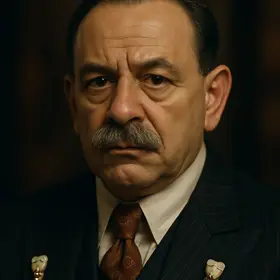 Meyer WolfsheimMinor character
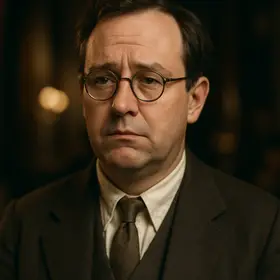 Ewing KlipspringerMinor character
All chapter summaries ›Characters ›
Read The Great Gatsby illustrated
Every scene in these notes comes from the Book2Life reader, where the full public-domain text is illustrated as you read, with character portraits and narration. Free in your browser and on iPhone.
